Meru
Kenya · 2 places
Photo: Mehmet Karatay, CC BY-SA 3.0
Meru sits quietly at the foot of its namesake mountain, where the land rolls into gentle green hills and valleys thick with coffee bushes, tea plantations, and orchards heavy with fruit. It’s the kind of place that slips past most travelers, tucked away on Kenya’s eastern side, far from the well-trodden paths. There’s no rush here, no hum of a capital city—just the steady rhythm of daily life, shaped by the traditions of the Meru people, one of the country’s largest ethnic communities.
The town itself feels unhurried, almost timeless. Markets stir early, filling the air with the scent of ripe mangoes and warm spices. Vendors arrange bolts of brightly patterned fabric and hand-thrown pottery, while locals gather over strong tea to talk about the day’s news. The streets are a mix of low-slung buildings, some colonial-era relics with faded facades, others simple modern structures that blend into the landscape. Motorbike taxis weave between old Land Rovers carrying farmers to their fields, and though there are no skyscrapers, the place has a pulse—quiet, but not sleepy; busy, but never frantic.
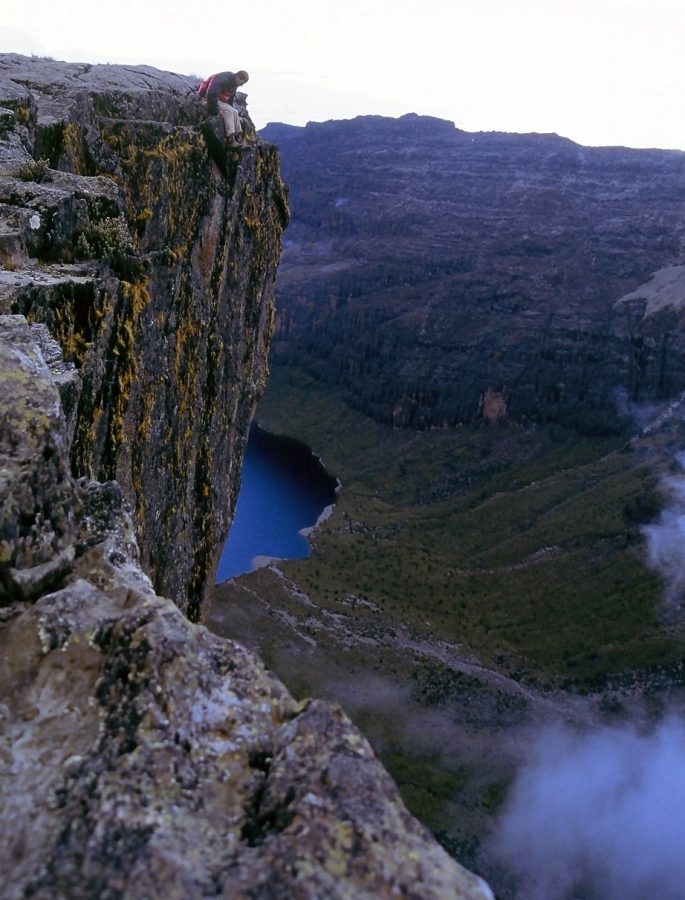
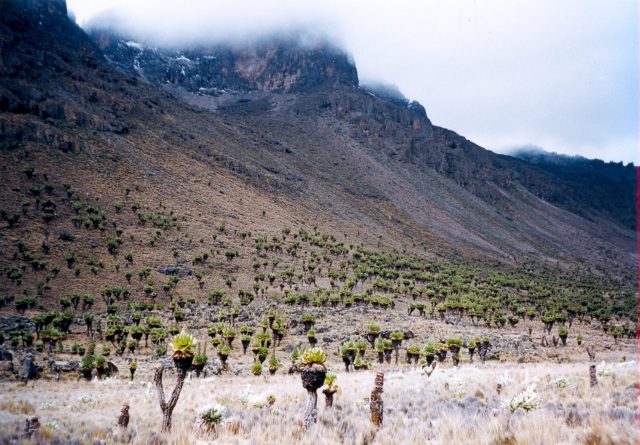
Nature presses in from all sides. To the north, the foothills of Mount Kenya rise, cool and misty, where waterfalls tumble through coffee groves. To the east, the land flattens into savanna, stretching toward reserves where elephants and lions still roam. Closer to town, the Nyambueni River offers a place to escape the heat—locals wade into its shallow pools or sit beneath the trees, watching kingfishers dart over the water. For those who want a taste of the wild without the long safari drives, Meru is a perfect starting point.
History lingers here, too. The British settled in these fertile highlands, leaving behind traces of their presence in the architecture and the way the land is farmed. After independence, Meru became a cultural hub for the Meru people, who kept their language and customs alive. Today, the town moves at its own pace—schools and clinics operate alongside small cafes and workshops, and on weekends, music spills into the streets as families gather.
What Meru lacks in luxury hotels and tourist attractions, it makes up for in authenticity. There’s no scripted experience here, no polished version of Kenya for visitors. Instead, the town offers something simpler: a chance to step into the everyday. Wander through the market, visit a nearby farm, or share a cup of tea with a neighbor. It’s not the kind of place that dazzles at first glance, but for those who stay awhile, it leaves a quiet impression—one of warmth, patience, and the unvarnished beauty of a country living at its own pace.
See & Do
2 places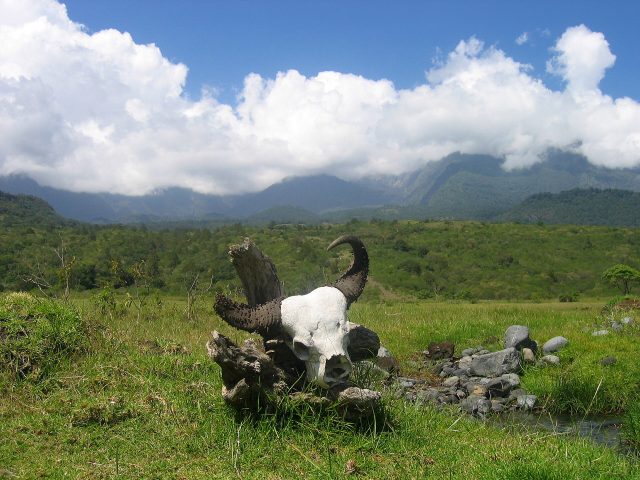
Places on the map
Marker colour follows the categoryClimate and weather
Detailed weather: Meru- Average temperature
- 19 °C
- Precipitation per year
- 831 mm
Average air temperature
°C
19
20
20
20
19
18
17
18
19
20
19
18
Jan
Feb
Mar
Apr
May
Jun
Jul
Aug
Sep
Oct
Nov
Dec


