Mount Cameroon National Park is one of those rare places where nature asserts itself in all its raw, untamed diversity. Rising from the southwestern corner of Cameroon, this is the highest peak in Central and West Africa, a mountain whose summit is often veiled in clouds while its slopes shift from dense rainforest to misty highlands and ancient lava fields. Known locally as Fako, Mount Cameroon is an active volcano, its last eruption still fresh in the memory of those who witnessed the rumbling earth in the early 2000s. Standing at over four thousand meters, the climb to its peak is no small feat, but those who make the journey are rewarded with views that linger long after the descent.
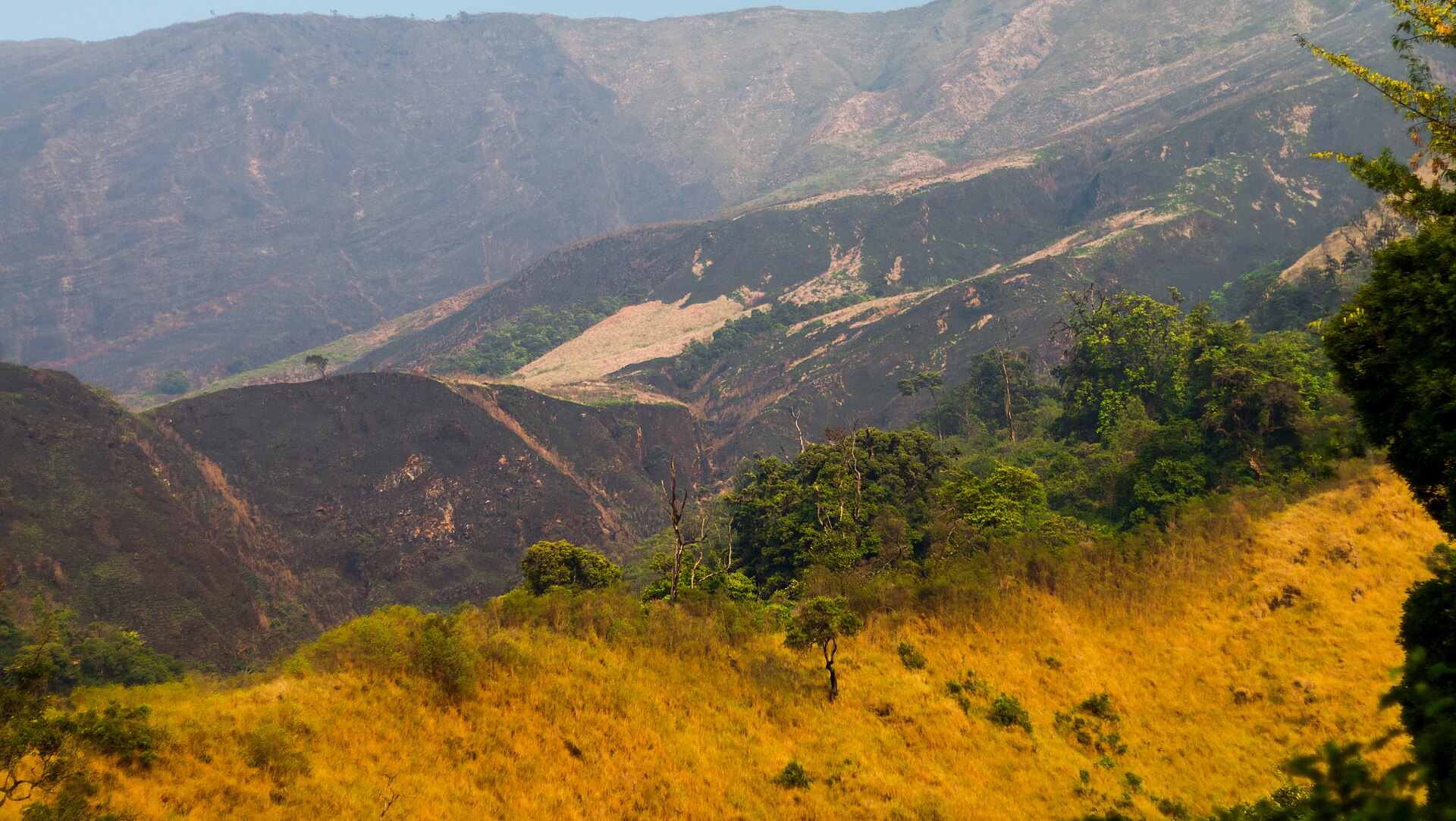
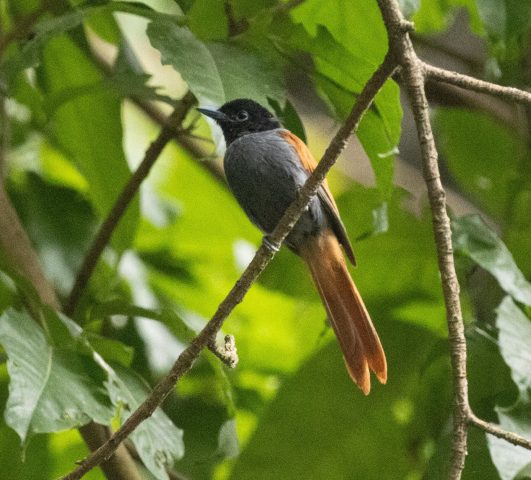
The park extends far beyond the mountain itself, sprawling across tens of thousands of hectares where ecosystems collide. At lower elevations, tropical rainforests thrive, their canopies alive with the calls of monkeys and the rustling of unseen creatures. Higher up, the landscape transforms into savanna, where tall grasses sway in the wind, and near the summit, alpine vegetation clings to rocky outcrops. This is a place where biologists and wildlife enthusiasts find themselves in paradise. Forest elephants, chimpanzees, and drills—primates found almost nowhere else—roam these lands, while endemic bird species flit between the branches of towering trees draped in vines. The forest feels alive, not just with movement but with history, as if every rustle in the undergrowth carries the weight of centuries.
The mountain’s story is woven into the fabric of the region. For the Bakweri and Bamileke peoples, Fako has always been more than a landmark; it is a sacred site, a dwelling place of ancestral spirits. Local traditions warn against ascending without permission, as the peak is believed to be guarded by deities. Europeans first glimpsed the mountain in the late 15th century, when Portuguese sailors spotted its silhouette from the coast. They named it "Mount Cameroon," a mispronunciation of a local term meaning "chariot of the gods." Later, during the colonial era, the mountain became a focal point for explorers and scientists, its slopes a hunting ground for researchers and adventurers alike.
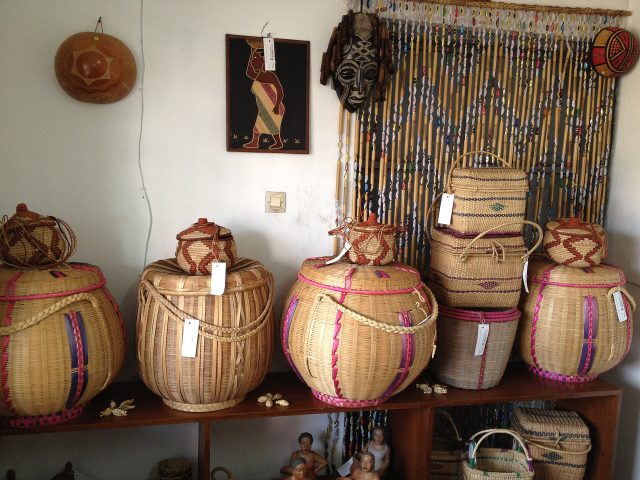
Today, the park offers more than just natural beauty—it is a window into the lives of those who call this land home. In villages scattered around the mountain’s base, traditions endure. The Bakweri still celebrate the Ngondo festival, a vibrant display of dance and ritual honoring the spirits of Fako. Visitors can step beyond the trail to experience daily life in these communities, where meals are built around plantains, cassava, and fish pulled from the Atlantic. The rhythm of life here moves to the beat of the land, unhurried and deeply connected to the mountain’s presence.
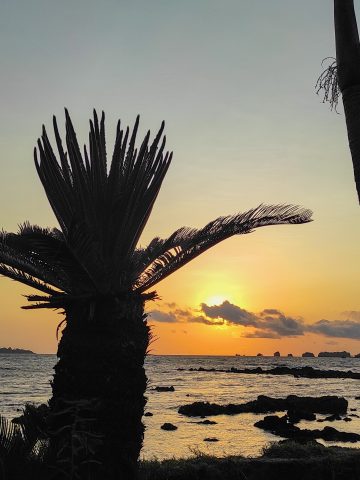
Climbing Mount Cameroon is an experience that demands preparation. The most common route begins in the town of Buea, winding upward through shifting landscapes. The first day is spent navigating dense, humid forests where sunlight barely pierces the canopy. By the second day, the air grows thinner, and the forest gives way to open savanna, where the wind carries the scent of dry grass. Near the summit, the terrain turns stark—black lava fields stretch into the distance, and the cold bites even in the dry season. Those who reach the top are met with a panorama that few places on earth can match: the Atlantic Ocean glistening to the west, the endless green of the rainforest to the east, and on clear days, the faint outlines of neighboring countries on the horizon.
This is not a destination for those seeking luxury or convenience. There are no grand hotels or multilingual tour guides here, no carefully curated experiences. Instead, the park offers something far more authentic—a chance to see Africa as it has existed for centuries, wild and unpredictable yet strangely welcoming. Travelers stay in modest guesthouses in Limbe or Buea, where the basics are provided and the hospitality is genuine. Local guides, many of whom have spent their lives on these slopes, lead the way, sharing stories of the mountain’s moods, its hidden paths, and the creatures that call it home.
The weather here is as changeable as the landscape. The rainy season, from June to October, turns trails into slippery challenges and often shrouds the summit in clouds. The best time to visit is between November and March, when the skies are clearer and the paths more stable. But even then, conditions can shift in an instant—sunshine can give way to sudden downpours, and warm breezes can turn into biting winds. Those who come must be ready for anything, packing layers and a sense of adventure in equal measure.
Mount Cameroon is more than just a mountain; it is a symbol of the country’s resilience and natural splendor. For Cameroonians, it represents the unyielding spirit of their homeland, a landmark that has witnessed centuries of change yet remains untamed. For travelers, it offers a glimpse of Africa as it once was—before mass tourism, before paved roads, before the noise of the modern world drowned out the sounds of the wild. There are no crowds here, no souvenir stalls or persistent vendors. There is only the mountain, the people who live in its shadow, and the quiet understanding that you have stepped into a place where time moves differently.