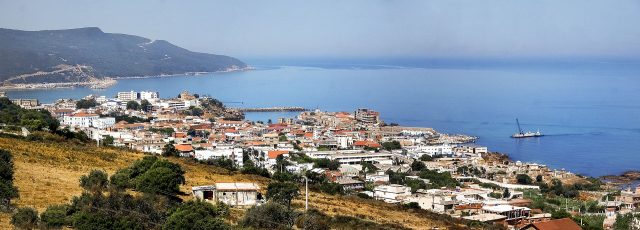
El Kala is one of those places in Algeria where nature still feels untouched. The park sits in the far northeast, near the Tunisian border, stretching along the Mediterranean coast with sandy beaches, dense forests, and freshwater lakes. There are no crowds, no resorts, no guides—just open space and the sense that time moves slower.
Established in 1983, the park protects the ecosystems of this corner of North Africa. Within its boundaries, Mediterranean forests of cork and holm oaks meet marshy lowlands where rare birds nest. Dunes give way to the sea. The freshwater lakes of Tonga and Oued Zitoun, fed by underground springs and rainfall, are particularly valuable. These lakes serve as stopovers for migratory birds during their seasonal journeys.
The forests here are among the last in Algeria where ancient Mediterranean ecosystems thrive. Beneath the oaks and pines, wild boars, foxes, and rare bat species live. Chameleons appear in the undergrowth, while marsh turtles sun themselves along the lake shores. Locals say jackals still roam the deeper parts of the forest, though sightings are rare. The park holds over a thousand plant species and hundreds of animal species, many found nowhere else in Algeria.
The sea here is not gentle, but its beauty is striking. The coastline has small coves with clear water and fine golden sand. Unlike other Algerian beaches, these offer solitude. Local fishermen sometimes return with mullet or sardines. The water is cooler than in the south, which can be welcome on hot days.
The park’s lakes follow their own rhythms. Tonga, the largest, is ringed by reeds and willows. In the early mornings, mist rises from the water. By midday, the sun warms the air, filling it with the scent of damp earth. Herons, ducks, and flamingos—who arrive in winter—nest along the shores. Birdwatchers come here because the birds remain undisturbed.
People have lived here for thousands of years. Archaeological finds show the coast was inhabited in the Neolithic era. Later, Phoenician trade routes passed through, and Romans built small settlements. Berber tribes moved between the mountains and the coast with their herds. Today, little remains—just the occasional shard of pottery or stone tool.
Hiking trails let you experience the park at your own pace. One route leads from Lake Tonga to the coast, passing through forests and clearings. You’ll see cork oaks with stripped bark, a sign of past harvests. Another trail follows the shoreline, where the sea has shaped the rocks over time. A local guide might point out animal tracks or explain how herons and storks build their nests.
El Kala isn’t for those who want entertainment. There are no luxury hotels or beach bars. Instead, it offers something else: the chance to step away from daily noise and be still. Nights are especially quiet—the stars seem closer, and the waves lull you to sleep.
More travelers now seek solitude here. Visitor numbers stay low, and the park keeps its wild charm. Authorities limit development and promote ecotourism to protect the delicate balance. If you come, remember to leave no trace and avoid disturbing the wildlife. That’s how El Kala stays wild and free.