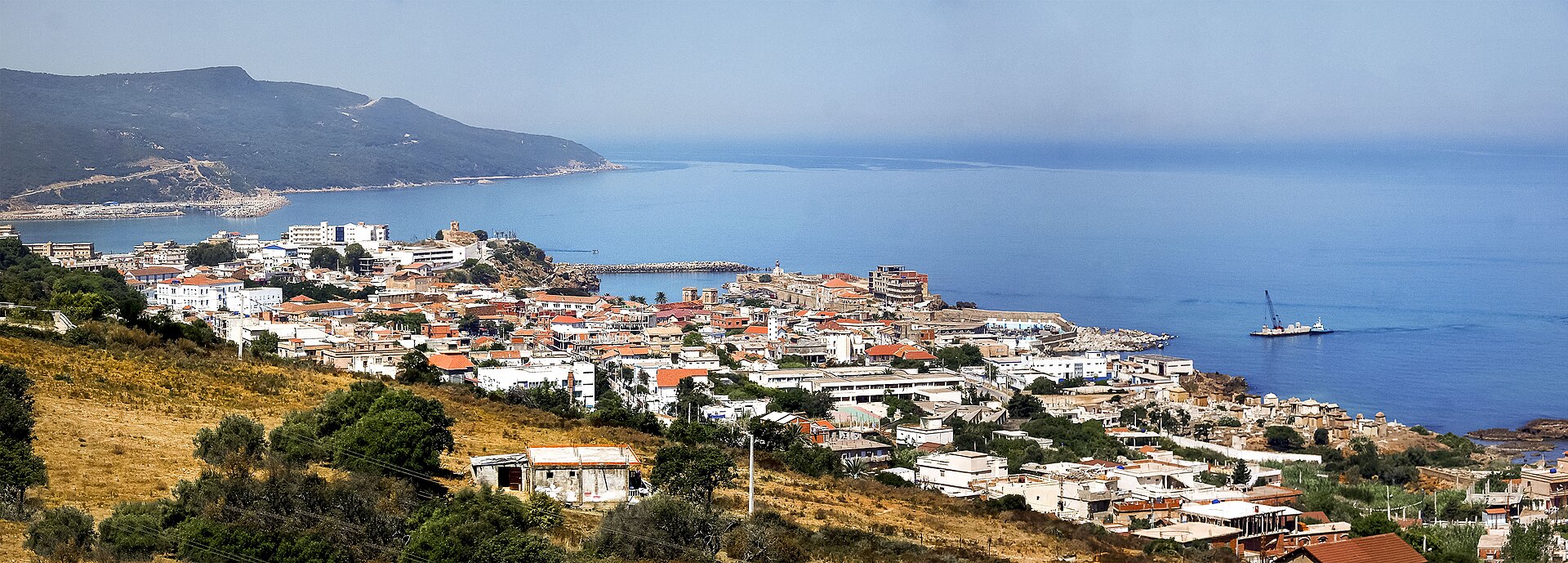
El Kala is one of those quiet corners of the Mediterranean that feels untouched by time. Tucked away in the far northeast of Algeria, where the sea meets dense forests and windswept dunes, it’s a place that doesn’t try to impress. There are no grand resorts, no ancient ruins steeped in legend—just a slow, unhurried rhythm shaped by the tides and the changing seasons. The air carries the scent of salt and pine, and the only crowds you’ll find are the occasional fishermen mending their nets or children playing in the narrow streets.
The town is wrapped in the embrace of El Kala National Park, one of Algeria’s greenest and most diverse natural reserves. Stretching over seventy thousand hectares, the park is a patchwork of forests, lakes, marshes, and coastline, home to species found nowhere else in the country. The lakes here—like Tonga and Oued Zitoun—are particularly striking, their shallow waters reflecting the sky and attracting flocks of flamingos, herons, and other migratory birds. Walking through the park feels like stepping into a different Algeria, one where the landscape is lush and alive rather than arid and rocky. The trails wind past towering cork oaks and Aleppo pines, their branches heavy with the damp of coastal humidity, while the distant call of birds blends with the murmur of the sea.
El Kala’s history is subtle, woven into the fabric of the land rather than displayed in monuments. Long before it became a quiet fishing village, this stretch of coast was part of ancient Numidia, later crisscrossed by Phoenician and Roman trade routes. By the Middle Ages, it had become a waypoint for pilgrims traveling toward Mecca, though little remains of that era beyond a few scattered stones. The town’s brief moment of prominence came under Ottoman rule, when a small fortress was built to guard against pirates. Today, only fragments of its walls survive, half-buried in the earth, but they serve as a quiet reminder that even the most unassuming places have played their part in larger stories.
The architecture here is practical, built to withstand the damp climate. Houses are made of local stone and wood, their low roofs designed to shed the frequent rains. The streets are narrow and uneven, worn smooth by generations of footsteps, leading down to a modest harbor where fishing boats bob in the water. At the town’s center stands an old mosque, its minaret rising above the rooftops, a simple but enduring landmark. Life in El Kala hasn’t changed much over the decades. The same families have fished these waters for generations, cultivating olives and figs in small plots of land. In the evenings, men gather in the cafés to drink mint tea and talk, while the women prepare meals with the day’s catch.
The sea here is cooler than along Algeria’s southern coast, but that’s part of its charm. The beaches are quiet, often empty, with clear water lapping against fine sand. Spring and autumn are the best times to visit, when the weather is mild and the landscape is either waking up or settling into the slower pace of winter. Summer brings stronger winds, and the waves crash dramatically against the rocks, drawing a few more visitors but never enough to disrupt the peace. Fishermen set out before dawn, and by midday, the harbor is alive with the day’s haul—sardines, sea bass, and sometimes octopus, sold straight from the boats.
Just outside town, Lake Tonga is one of the park’s most enchanting spots. Separated from the sea by a thin strip of land, its waters shift between fresh and brackish depending on the season. Reeds grow thick along its edges, and the lake is a haven for birds—white-eyed pochards, little egrets, and the occasional osprey. Local guides offer boat tours, gliding through the still water as the sun filters through the trees. In summer, the lake becomes a gathering place for families picnicking on the shore or casting lines into the water, but even then, it never feels crowded.
El Kala isn’t a place for those seeking luxury or entertainment. There are no high-end hotels, no trendy restaurants, no nightlife to speak of. Instead, it offers something rarer: a glimpse of Algeria’s rural heart, where life moves to the rhythm of nature. It’s a place for long walks along empty beaches, for listening to the wind in the pines, for watching flamingos wade through shallow water at dusk. The town doesn’t demand attention; it simply exists, content in its quiet way.
Word of El Kala has begun to spread among travelers looking for authenticity. Photographers come to capture the wild beauty of the national park, while hikers explore its trails, following paths that lead through forests and along the coast. A few small guesthouses and family-run inns have sprung up, offering simple but comfortable lodging. The locals are welcoming, happy to share stories or point visitors toward a hidden cove or a particularly good spot for birdwatching. There’s no pressure here, no sense of being rushed—just the steady, unhurried pace of a place that has always been this way.
What makes El Kala special isn’t any single attraction, but the way it makes you feel. It doesn’t overwhelm with grandeur or history, but it has a quiet power, a sense of being exactly where you’re meant to be. The sound of the waves, the rustle of leaves, the cry of gulls circling overhead—these are the things that linger long after you’ve left. For some, it’s just a stop on the way to somewhere else. For others, it becomes a place they carry with them, a memory of stillness and simplicity that’s hard to find anywhere else.