
El Tarf
Algiers · 8 places
Photo: Habib kaki, CC BY-SA 4.0
El Tarf is a place where the Mediterranean breeze mingles with dense forests and wetlands, where history and daily life intertwine so seamlessly it feels like time moves differently here. Unlike the bustling resorts or ancient capitals of Algeria, this city offers something quieter, more unfiltered—a glimpse of the country as it was decades ago. Perched on rolling hills and surrounded by protected lands, El Tarf exists at its own pace, shaped more by tradition and nature than by the demands of modernity.
The streets here are narrow and winding, lined with low-slung houses painted in soft pastels. There are no grand mosques or Roman ruins to draw crowds, but that’s part of the charm. The central square isn’t a tourist attraction so much as a living room for the city, where old men play dominoes under the shade of plane trees, children kick soccer balls across the pavement, and vendors sell fresh fruit and spices from wooden carts. The market doesn’t follow a schedule—it operates on whim, and if you’re lucky, you’ll catch it in full swing, loud, fragrant, and full of surprises.
What truly sets El Tarf apart are its surroundings. The city serves as a gateway to El Kala National Park, one of Algeria’s greenest corners, where Mediterranean forests meet freshwater lakes and sandy dunes. Trails wind through the landscape, leading to abandoned lighthouses and secluded beaches where the sea crashes against the shore in its wild, untamed state. The park is home to rare birds—flamingos wading in shallow waters, eagles circling overhead—and if you’re patient, you might spot wild boar or even jackals, though they tend to keep their distance.
Life in El Tarf moves slowly but never feels dull. In the summer, the city comes alive with festivals celebrating local traditions—drums echo through the streets, fishermen grill their day’s catch, and boat races take place on the lakes. Winter, though, is a different story. The pace slows even further, the streets grow quiet, and the only sounds are the patter of rain and the rustle of wind through the trees. Locals say this is the best time to sit in a café with a strong cup of coffee and watch the landscape shift from green to gray, from lively to serene.
El Tarf doesn’t try to impress. There are no luxury hotels or guided tours here, and the few guesthouses that exist feel more like staying with old friends than checking into a hotel. Travelers who make the journey usually aren’t looking for landmarks—they come for the atmosphere, the kind you won’t find in guidebooks. Whether you spend a day wandering the maze of streets or a week exploring the forests and beaches, the city leaves you with the sense that you’ve seen something real, unpolished, and untouched by mass tourism. And perhaps that’s why, once you’ve been, you’ll want to return.
See & Do
All of them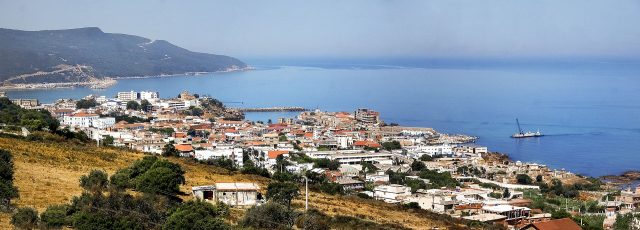
Places on the map
Marker colour follows the categoryClimate and weather
Detailed weather: El Tarf- Average temperature
- 19 °C
- Precipitation per year
- 819 mm
Average air temperature
°C
12
12
14
16
19
23
26
27
24
21
17
14
Jan
Feb
Mar
Apr
May
Jun
Jul
Aug
Sep
Oct
Nov
Dec


