Cinque Terre isn’t just a national park—it’s where the land and sea meet in a way that feels almost deliberate, as if nature shaped these cliffs and coves with human eyes in mind. The five villages clinging to the rugged Ligurian coastline don’t just occupy the landscape; they seem to grow from it. Their colorful houses spill down steep slopes, vineyards and olive groves terrace the hillsides, and narrow alleys twist toward tiny harbors where fishing boats bob in the water. Riomaggiore, Manarola, Corniglia, Vernazza, and Monterosso al Mare each have their own rhythm, but together they form something rare—a place where time moves differently, where the past and present coexist without friction.
The story of Cinque Terre begins in the Middle Ages, when people first turned these inhospitable cliffs into fertile ground. The land here is rocky, the slopes unforgiving, and water scarce, yet generations of farmers carved out terraces, built retaining walls, and dug irrigation channels to cultivate grapes, olives, and citrus. Wine became the lifeblood of the region, prized even beyond Italy’s borders. Those terraces, some still in use today, are more than just a testament to human ingenuity—they’re a living part of the landscape, shaped as much by nature’s slow erosion as by the hands that tend them.
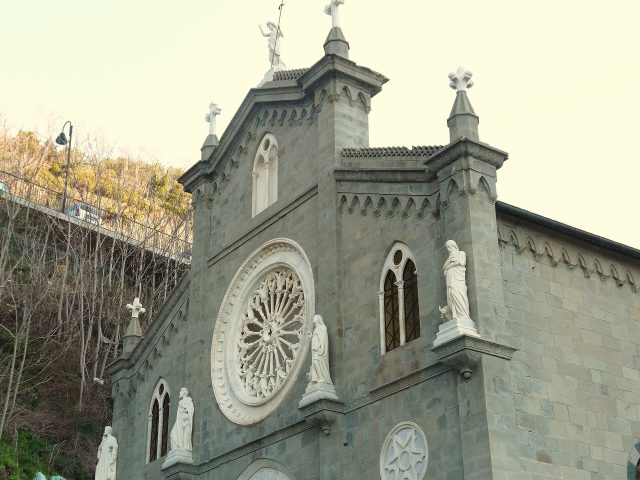
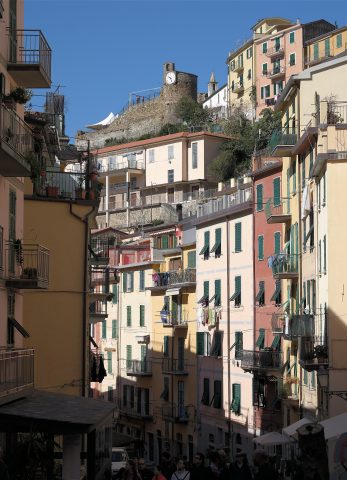
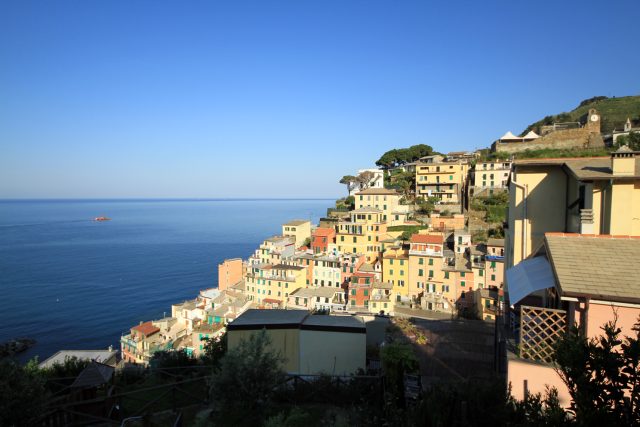
Riomaggiore, the easternmost village, greets visitors with a cascade of brightly painted houses tumbling toward a small harbor. The streets are narrow, winding between buildings that lean into one another, leading to the main square where locals and travelers gather. Here, you can taste anchovies preserved in salt, sip a glass of local white wine, or simply watch the village go about its day. The Church of San Giovanni Battista, with its Gothic facade, stands near an old watchtower that offers a sweeping view of the sea. As evening falls, the houses glow in the golden light, and the water darkens to a deep blue—a scene that lingers in memory long after you’ve left.
Manarola, just to the west, is often called the most picturesque of the five villages, and it’s easy to see why. Smaller than Riomaggiore but no less charming, it’s a place where cars are absent and the only way to move is on foot, following the paths that lead to a tiny harbor framed by cliffs. The Church of San Lorenzo, with its Romanesque bell tower, overlooks the village, while a small museum offers a glimpse into its history. The real magic happens at sunset, when the light catches the water and the houses seem to glow against the darkening sky.
Corniglia sits apart from the others, perched high on a cliff rather than hugging the shoreline. To reach it, you can climb a long staircase or take a shuttle from the train station, but the effort is rewarded with a view that stretches across the coastline. Smaller and quieter than its neighbors, Corniglia feels like a place where time has barely moved. The Church of San Pietro stands at its center, surrounded by vineyards that produce some of the region’s best wine. There’s a sense of stillness here, as if the village has chosen to remain just out of reach of the modern world.
Vernazza is the kind of place that makes you want to linger. Built around a small natural harbor, its pastel-colored houses spill down to the water’s edge, where fishing boats are moored alongside kayaks. The main square, with its fountain and lively cafes, is the heart of the village, while the Church of Santa Margherita d’Antiochia and the Doria Castle offer glimpses into its past. The castle’s tower provides one of the best views in Cinque Terre, looking out over the sea and the village below. There’s something about Vernazza that feels timeless—whether it’s the way the light plays on the water or the sound of waves against the rocks, it’s a place that stays with you.
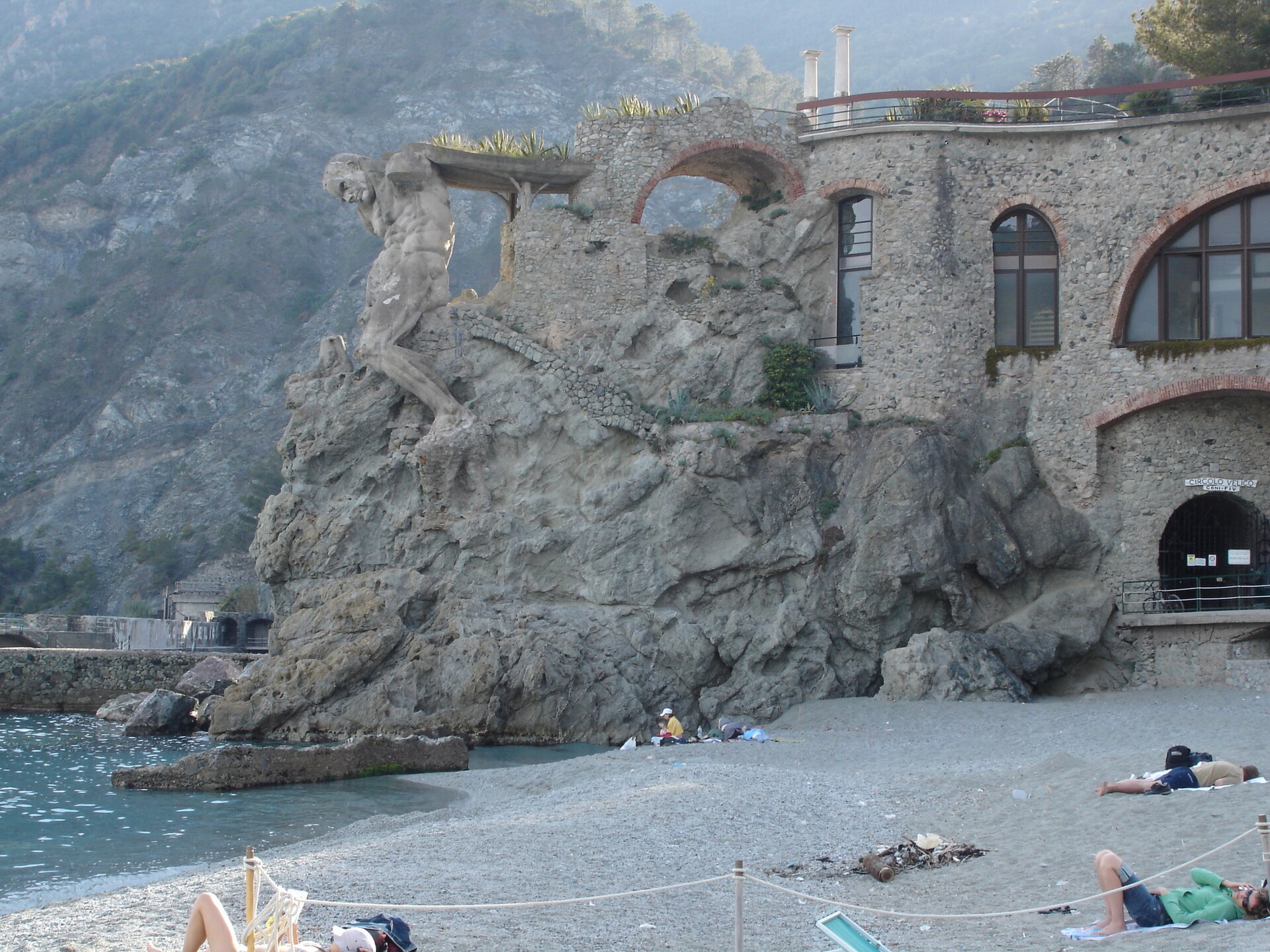
Monterosso al Mare, the largest and westernmost village, is the only one with a proper sandy beach. It’s a place where the mountains meet the sea in a different way, with a long stretch of shore that draws sun-seekers and swimmers. The village is split into two parts: the old town, with its narrow alleys and medieval buildings, and the newer area, where hotels and restaurants cater to visitors. The Church of San Giovanni Battista and the Capuchin Monastery are worth a visit, but the real draw is the seafood—fresh, simple, and served with local wine that pairs perfectly with the salty breeze.
Beyond the villages, Cinque Terre is crisscrossed by hiking trails that connect them, offering a way to experience the landscape up close. The most famous, the Sentiero Azzurro, winds along the coast, revealing views of cliffs, vineyards, and the endless blue of the Ligurian Sea. Walking these paths, you begin to understand why this place has captivated travelers for centuries. There’s no rush here, no need to fill the silence—just the sound of the wind, the scent of wild herbs, and the sight of the sea stretching to the horizon.
Cinque Terre has become a popular destination, but it hasn’t lost its soul. The villages still feel like living communities, not just postcard-perfect backdrops. Locals continue to fish, tend their vineyards, and welcome visitors with the same warmth they’ve shown for generations. It’s a place where the past isn’t just preserved—it’s still alive, shaping the present in quiet, unassuming ways. Whether you come for the views, the food, or the sense of stepping into another time, Cinque Terre leaves an impression that’s hard to shake.