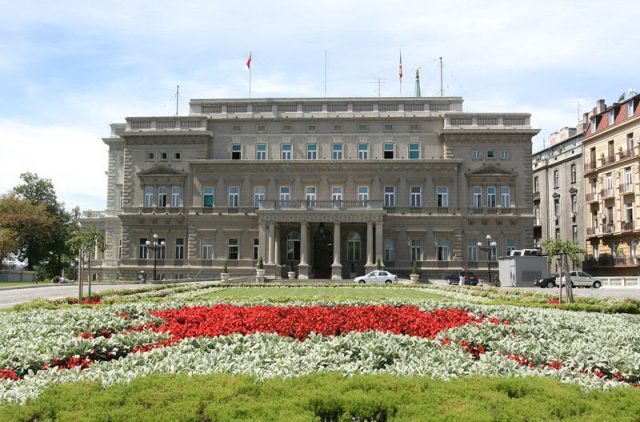
The National Museum of Serbia stands at the heart of Belgrade, where the past feels almost tangible. Housed in a grand neoclassical building on Republic Square, it has witnessed the city’s transformations for over a century and a half. The museum wasn’t always a cultural institution—it began as Serbia’s first bank, a symbol of the young nation’s ambitions in the 19th century. Later, it became a place where history, art, and identity could be preserved and shared, evolving into one of the country’s most important repositories of heritage.
The building itself is a quiet marvel. Its façade, with its clean lines and dignified proportions, reflects the neoclassical ideals of the era when it was constructed. Inside, the high ceilings and ornate details create an atmosphere of timeless elegance. The galleries are spacious, designed to let light fall naturally on the artworks, inviting visitors to linger. There’s no rush here—just the sense that time moves differently, allowing for a deeper connection with what’s on display.
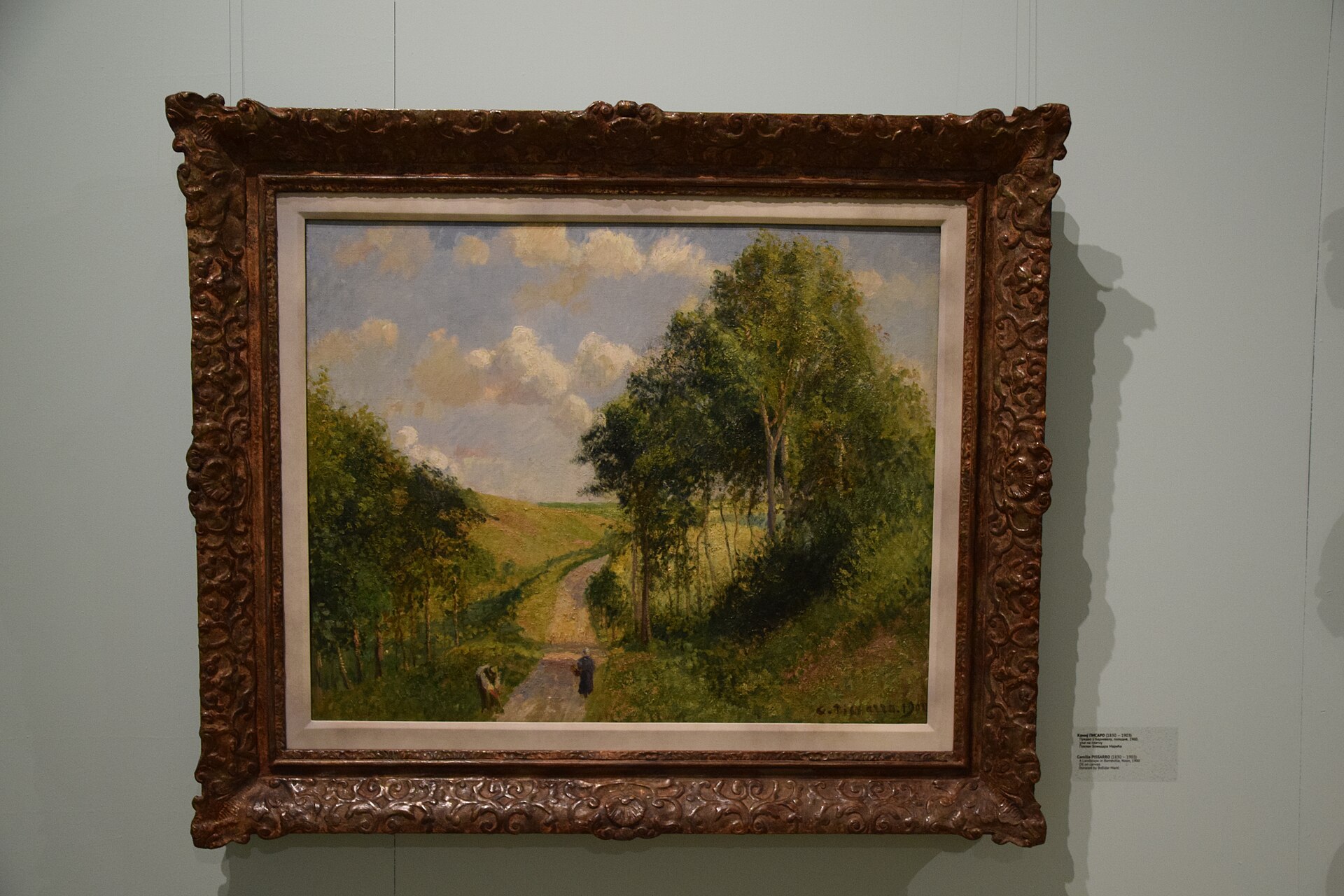
The museum’s collection is vast, spanning everything from ancient artifacts to modern masterpieces. At its core is Serbian art, a journey through the country’s creative evolution. Medieval frescoes and icons share space with 19th- and 20th-century paintings by artists like Paja Jovanović, Uroš Predić, and Nadežda Petrović, whose works have become defining images of Serbian culture. But the museum also holds treasures from beyond the country’s borders—works by European masters such as Rubens, Rembrandt, Van Gogh, and Monet. These pieces arrived through donations and careful acquisitions, turning the museum into a bridge between Serbian and global artistic traditions.
One of the most fascinating sections is the archaeological collection, where the deep history of the Balkans comes to life. Artifacts from the Neolithic era, Roman coins, Byzantine jewelry, and ancient statues tell stories of civilizations long gone. Among the most remarkable are the finds from Lepenski Vir, one of Europe’s oldest settlements, where stone sculptures from the 7th millennium BCE offer a glimpse into the lives of some of the continent’s earliest inhabitants. These objects don’t just belong to the past—they remind visitors of the region’s enduring cultural significance.
The museum also serves as a keeper of more recent history. Exhibits on 20th-century conflicts, the rise and fall of Yugoslavia, and the country’s modern identity are presented with a focus on authenticity rather than spectacle. Documents, photographs, and personal items create a narrative that is sometimes difficult but always necessary. There’s no attempt to romanticize or simplify—just an honest look at the events that have shaped Serbia’s path.
Beyond its permanent displays, the museum is a hub of activity. Temporary exhibitions, lectures, and educational programs make it a place where history and art remain alive and relevant. In recent years, efforts to digitize the collection have made it more accessible, allowing people from around the world to explore its treasures. This is especially meaningful for those with ties to Serbia who may not have the chance to visit in person.
What makes the National Museum special isn’t just its collections but the way it feels. There’s no crowding, no pressure to move quickly. Visitors can take their time, pausing in front of a painting or an artifact that speaks to them. The museum café offers a quiet spot to reflect, whether over a coffee or a conversation. It’s a place where a few hours can easily turn into an entire day, lost in the layers of history and creativity.
For locals, the museum is a familiar landmark, a place to revisit stories they’ve heard since childhood. For travelers, it’s an opportunity to step into a narrative that stretches back thousands of years. Even those who don’t usually seek out museums may find something here that resonates—a detail in a painting, a fragment of an ancient tool, or a photograph that captures a moment in time. The National Museum of Serbia isn’t just about preserving the past; it’s about understanding how that past continues to shape the present.