The National Museum of the Philippines isn’t just a place where artifacts gather dust behind glass. It’s where the country’s past breathes through objects that once shaped daily life, wars, art, and scientific discovery. Set in the heart of Manila, the museum occupies several buildings, each with its own architectural story. The main structure, once home to the Legislative Assembly, stands as a grand example of early 20th-century neoclassical design—its towering columns and high ceilings a quiet nod to the colonial era. Walking through its halls, you can almost hear the echoes of political debates that once filled the space, now replaced by the soft footsteps of visitors moving between exhibits.
The museum unfolds across multiple wings, each offering a different lens on the Philippines. The anthropology section holds relics of indigenous communities, from intricately carved figures to handwoven textiles still made in remote provinces today. Here, you’ll find ancient human remains discovered on Palawan Island and everyday items that paint a picture of life before European contact. A standout is the collection of ceramics from China and Vietnam, traded across the archipelago centuries before colonization—a reminder of how deeply the Philippines was once connected to broader maritime networks.
Art here isn’t confined to paintings. The museum’s collection spans sculptures, prints, and even contemporary installations. The most famous piece is Juan Luna’s massive 19th-century canvas, *Spoliarium*, depicting wounded gladiators in a Roman arena. Many see it as an allegory for the Philippines’ struggle against Spanish rule. Nearby, modern works tackle today’s issues—urbanization, environmental degradation, social inequality—offering a contrast between the country’s past and present. Temporary exhibitions often feature emerging local artists, giving visitors a glimpse of the voices shaping Filipino art now.
The natural history wing is a world of its own. Exhibits showcase the Philippines’ staggering biodiversity, from giant shells to the skeletons of long-extinct creatures. The butterfly collection is particularly striking, filled with some of the most vibrant species on earth, native to the archipelago’s tropical forests. Interactive displays explain the country’s active volcanoes and coral reefs, drawing divers from around the world. Educational programs for children make the science accessible, but adults will find plenty to ponder too—like why the Philippines is considered one of the planet’s biodiversity hotspots.
Beyond its walls, the museum plays an active role in preserving the country’s heritage. It supports archaeological digs, helps restore historical sites, and collaborates with local artisans. In one project, craftsmen from Ifugao recreated traditional houses for an exhibit, while art students worked alongside curators to document collections. These efforts make the museum more than a repository of objects—it’s a living institution that grows alongside the society it represents.
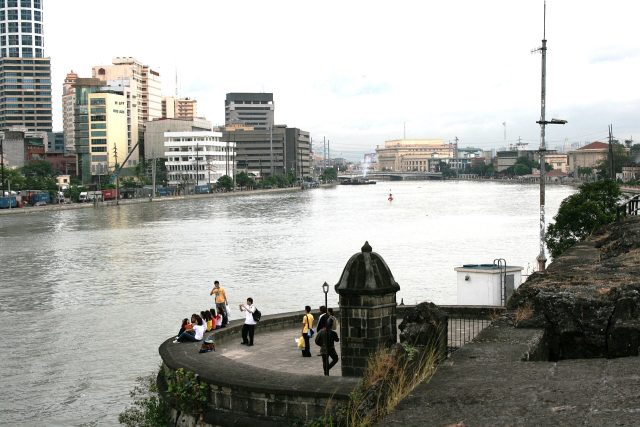
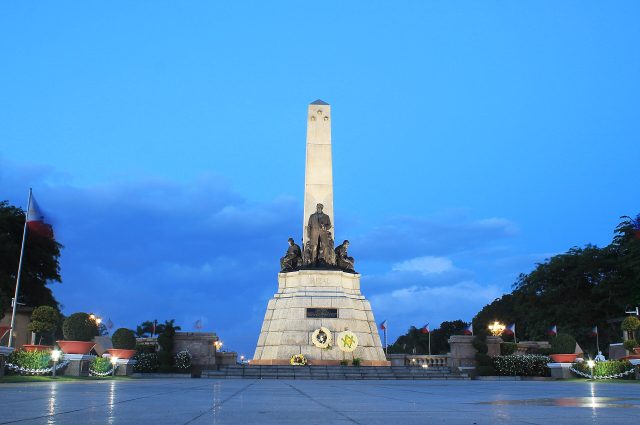
A visit here also offers a different perspective on Manila. The museum sits near Rizal Park, named after the national hero, and the historic Fort Santiago, where you can wander after your visit. The area is quieter than the city’s bustling streets, a place where hours can slip by unnoticed. Weekends bring families, students, and tourists, but even on weekdays, the atmosphere feels intimate, as if you’ve stepped into a space where stories are waiting to be discovered.
The museum isn’t just about the past—it’s also a place where the future of the Philippines is discussed. Lectures, seminars, and debates tackle pressing issues, like how to preserve traditional crafts in a globalized world or protect the environment amid climate change. It’s a forum for conversations about where the country is headed, making it especially valuable for those who want to understand the Philippines beyond postcard images.
If you find yourself in Manila, take a moment before rushing to the beaches or shopping malls. The National Museum offers a chance to see the country from within—through its history, culture, and natural wonders. There’s no pressure here, no souvenir shops vying for attention. Just the quiet of the galleries, where you can linger over a painting or stare at an ancient ornament, wondering about the lives it once touched. It’s a place where the past feels alive, and the present makes a little more sense.