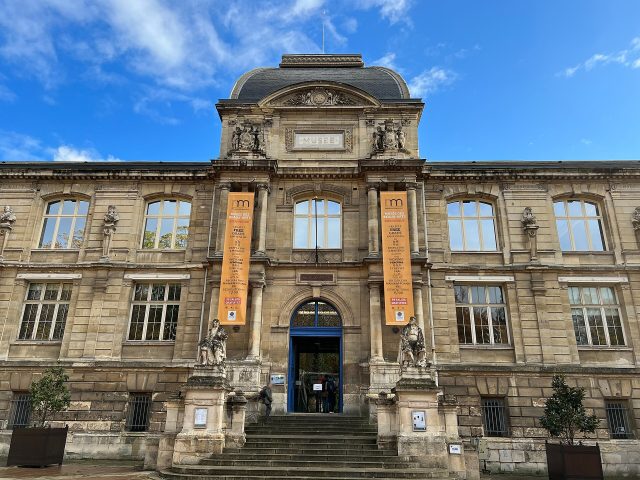
The Musée Julien in Rouen is one of those quiet places that lingers in your memory long after you’ve left. Tucked away in an old townhouse on a narrow, unassuming street, it feels like stepping into another era. There are no crowds here, no loud tour groups, no flashy signs—just soft light filtering through tall windows and the sense that you’ve wandered into someone’s carefully curated private collection, assembled by someone who truly loved art.
The museum is dedicated to the work of Albert-Ernest Carrier-Belleuse, a sculptor better known by his pseudonym, Julien. His pieces are more than just marble and bronze; they’re stories frozen in stone. The galleries display portrait busts, allegorical figures, and sculptural groups, each one brimming with movement and emotion. His depictions of women are particularly striking—graceful, almost ethereal, as if captured in the middle of a fleeting gesture. Julien had a rare ability to convey not just physical likeness but the inner world of his subjects, whether they were famous figures of his time or ordinary townspeople.
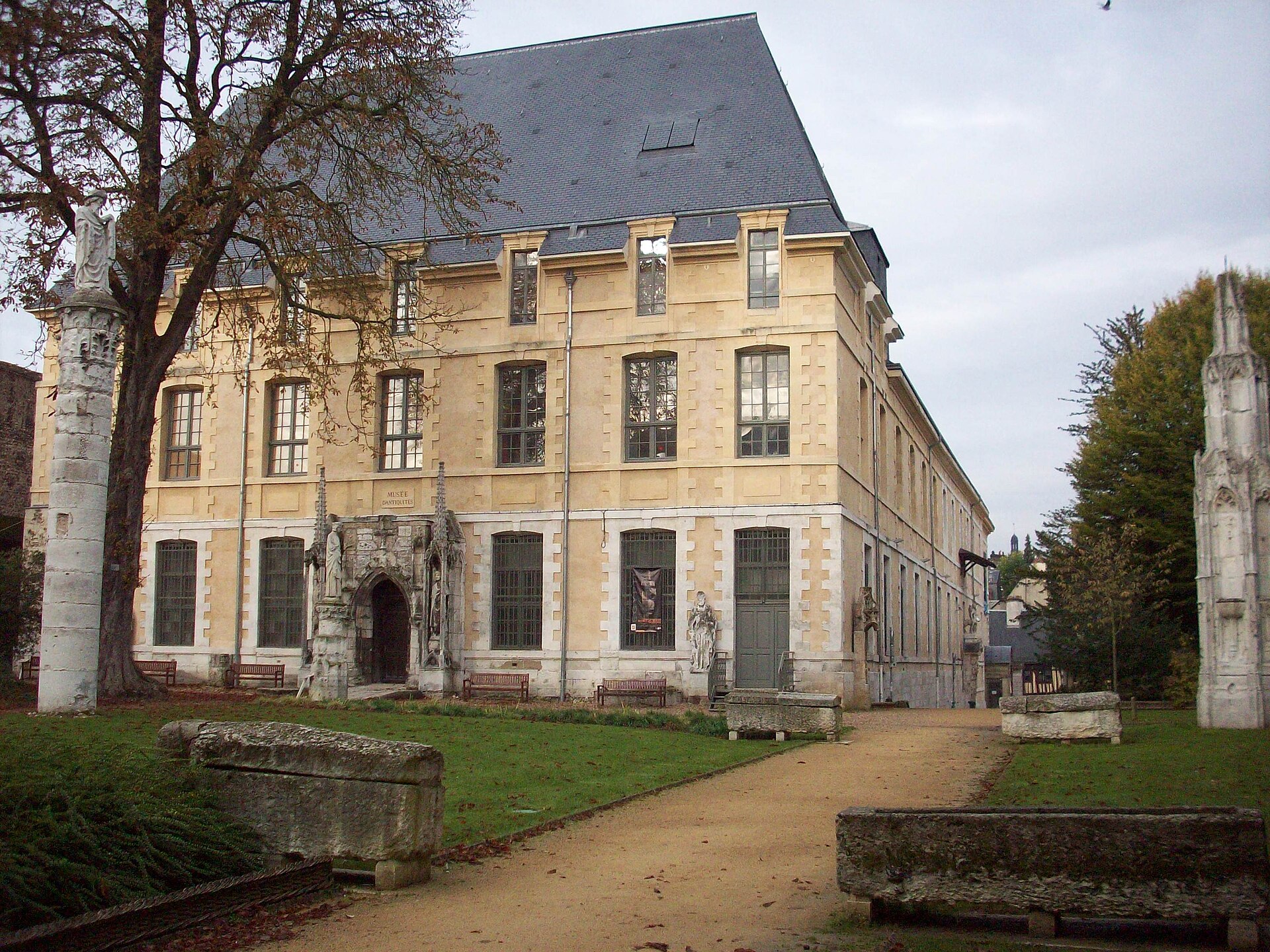
The building itself is worth admiring. A fine example of 19th-century Norman architecture with touches of Neo-Renaissance style, the townhouse features ornate stucco facades, soaring ceilings supported by elegant columns, and a grand staircase leading to the main exhibition spaces. The interior still feels lived-in, with antique furniture, fireplaces, and large mirrors in carved frames, all contributing to an atmosphere of warmth and refinement. It’s easy to imagine that the house’s former inhabitants have only just stepped out, leaving the art as part of their daily surroundings.
Julien wasn’t just a talented sculptor; he was also a prominent figure in Rouen’s cultural life. Born in the city in 1824, he spent much of his life here, though his work was exhibited in Paris and other European capitals. The museum traces his entire career, from early pieces in a more academic style to later works where he experimented with form and texture. Some of his most compelling sculptures were inspired by his travels in Italy, where he studied classical art and the works of Renaissance masters.
While Julien’s work is the focus, the museum also includes other 19th-century art—paintings, drawings, and decorative objects. This broader collection helps place his sculptures in context, showing the ideas and trends that shaped his work. Nearby, you might find paintings by local artists who, like Julien, sought to capture the beauty of Normandy and its people.
Rouen has long been a city of artists. Monet, Flaubert, and Maupassant all lived and worked here, leaving their mark on art and literature. The Musée Julien carries on this tradition, reminding visitors that even in smaller provincial cities, masters emerged whose work rivaled anything produced in the capital. A visit here isn’t just about discovering one sculptor’s legacy; it’s a chance to step into the atmosphere of 19th-century Rouen, when the city was a vibrant cultural hub.
The museum has a hushed, almost reverent quiet, broken only by the occasional footsteps of visitors. There are no rigid signs or intrusive audio guides—just you and the art, timeless and unchanging. At times, the sculptures seem almost alive; the marble drapery of a female figure might shift, or a bronze bust could turn to meet your gaze. That’s the magic of the Musée Julien—it doesn’t just tell you about art; it makes you feel it.
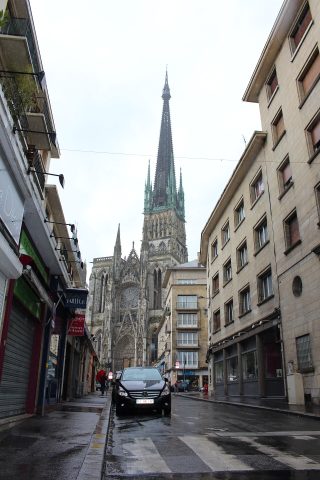
If you find yourself in Rouen, don’t rush straight to the famous cathedral or the Seine’s riverfront. Take a moment to seek out this small museum on its quiet street. You might leave with more than just an appreciation for Julien’s work—perhaps even a new perspective on art, or on yourself. After all, the best museums don’t just preserve the past; they help us understand the present.