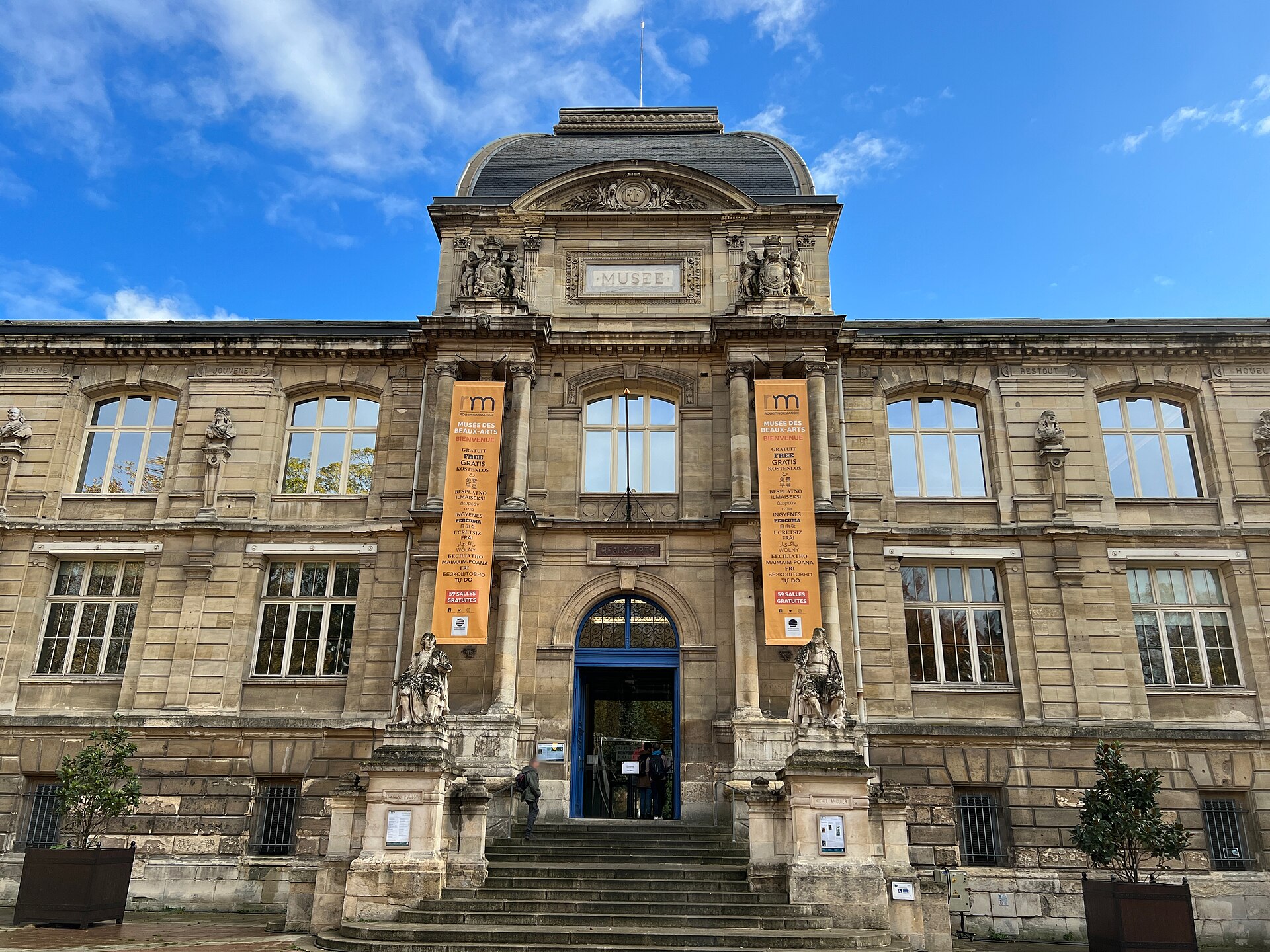
Rouen’s Museum of Fine Arts is the kind of place where art doesn’t just hang on the walls—it lingers in the air, as if the city itself has been quietly breathing it in for centuries. Housed in an elegant 18th-century mansion of pale stone, the museum sits at the heart of Normandy, its quiet garden offering a moment of respite from the streets beyond. There’s none of the bustle you’d find in Parisian galleries, just a sense of time slowing down, allowing you to notice the small things—the way light falls across a canvas, the texture of a gilded frame, the faint scent of old wood and polished floors.
The collection spans centuries of European art, from the Middle Ages to the modern era, but it’s the works tied to Normandy that give the museum its distinct character. Rouen has always been more than a trading hub; it was a place where artists gathered, where ideas took shape, and where the rhythms of daily life found their way onto canvas. Here, you’ll find paintings by Gerard David and François Boucher, but also lesser-known local artists whose names may not be familiar, yet whose work feels deeply rooted in the region. Religious scenes, landscapes, still lifes—each piece carries the weight of its time, whether it’s a meticulously rendered bowl of fruit or a dramatic biblical tableau that seems to unfold before your eyes.
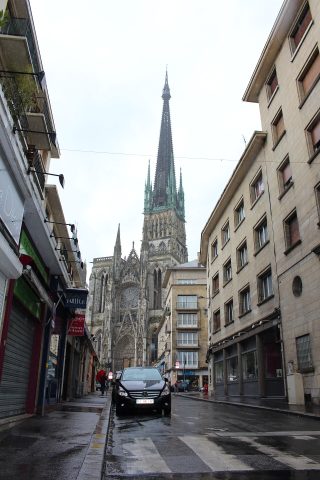
The 19th-century galleries are particularly compelling, especially for those drawn to the Impressionists and their predecessors. Rouen’s misty Seine, its winding medieval streets, its towering cathedral—all of it became a muse for artists like Claude Monet, who painted his famous series of Rouen Cathedral here. The museum holds works by Camille Corot and Eugène Boudin, too, their canvases capturing the fleeting play of light on water and sky. Standing before them, you can almost hear the distant chime of church bells or the murmur of the river, as if the paintings themselves are urging you to step outside and see the city through their eyes.
But the museum isn’t just about paintings. Sculptures, engravings, decorative arts—each medium offers a glimpse into how tastes and techniques evolved over time. There are ancient vases, delicate porcelain services, and intricately carved furniture, some pieces grand enough to have belonged to nobility, others humble but no less skilled, crafted by local artisans. The way styles shift from room to room is fascinating: the solemnity of Gothic art giving way to the opulence of Baroque, then the playful curves of Rococo, and finally the restrained elegance of Neoclassicism. It’s like walking through layers of history, each one revealing something new about the people who shaped it.
The building itself has its own story to tell. Once the home of a wealthy Rouen merchant, it later became the property of the city, and during World War II, the collection was evacuated to protect it from bombing raids. When the art returned after the war, the museum reopened as a place not just for preservation, but for reflection—a space where the past could be revisited and reimagined. Today, it hosts temporary exhibitions, lectures, and concerts, each event adding another layer to its role as a living part of Rouen’s cultural life.
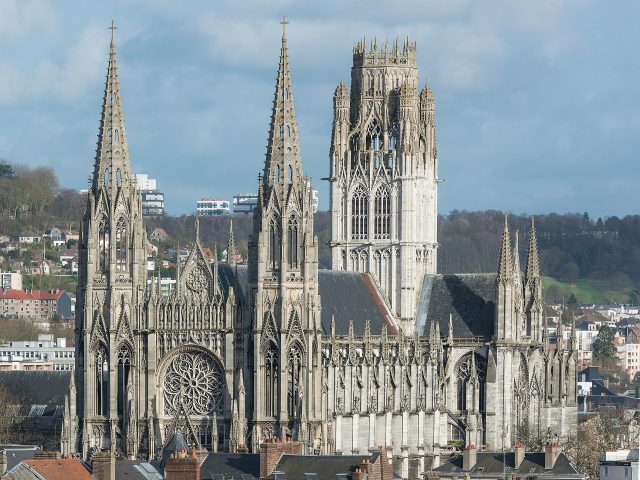
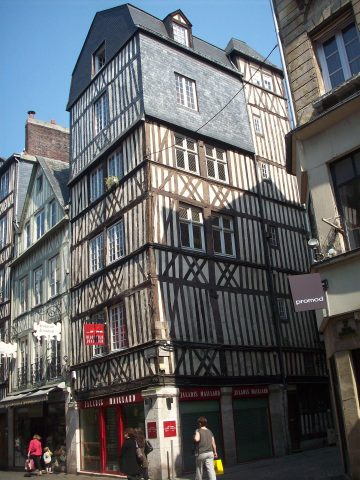
What makes the museum special is how it connects to the city around it. Rouen has always been a place where art and life intertwine, where the cobblestone streets and soaring cathedral spires seem to whisper stories of merchants, revolutionaries, writers, and painters. The museum doesn’t just display art; it offers a way to understand those stories, to see the city through the eyes of the people who lived here. Whether it’s a grand historical moment or a quiet domestic scene, the collection reflects the everyday and the extraordinary alike—the bustle of a market square, the hush of an artist’s studio, the slow drift of clouds over the Seine.
There’s no need to rush through the galleries. You can linger in front of a painting that catches your eye, reread the description, or step into the garden to sit for a while, letting what you’ve seen settle in. And when you’re ready, the city is waiting. Rouen doesn’t shout about its beauty; it invites you to discover it, one quiet corner at a time. The Museum of Fine Arts is one of those places where the past feels close enough to touch, where a single painting can make you see the world—and the city—differently.