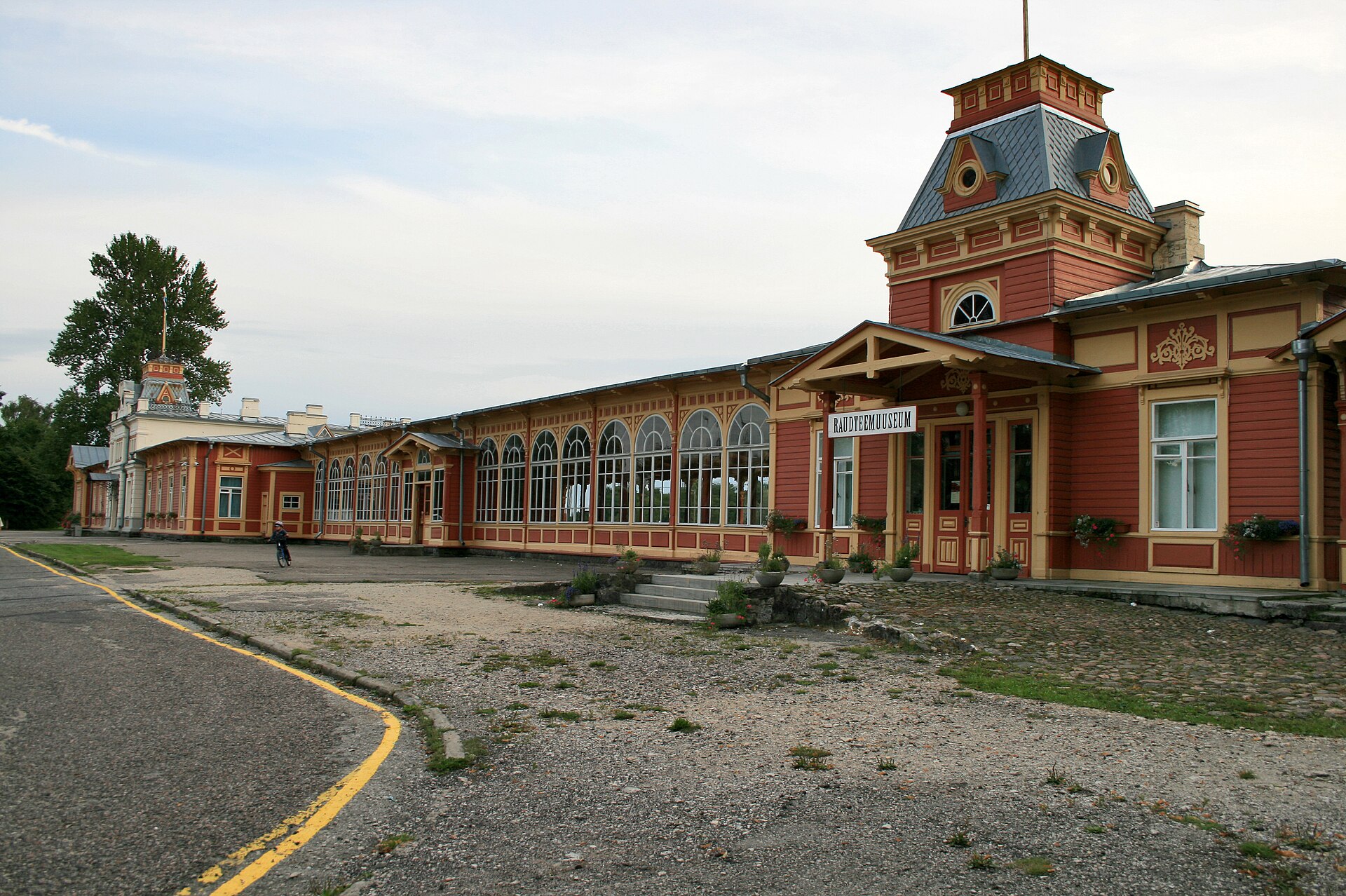
Haapsalu’s railway museum occupies a quiet corner of what was once the town’s bustling station, a place where the rhythms of early 20th-century travel still linger in the air. The building itself is a modest but sturdy relic of Estonia’s railway history, constructed in the 1920s when the narrow-gauge line connecting Haapsalu to Tallinn was a lifeline for both passengers and goods. The station was more than just a stop—it was a gateway, especially for those seeking the town’s famed mud baths, which drew visitors from across the Russian Empire and later, independent Estonia. The tracks may have fallen silent decades ago, but the museum preserves the sense of anticipation that once filled this space, when the arrival of a train meant the promise of arrival or departure, of new beginnings or farewells.
The museum’s collection is small but carefully curated, focusing on the era when Haapsalu was a key junction in Estonia’s railway network. The narrow-gauge system, which once stretched from Tallinn to the coastal town, was a marvel of its time, allowing trains to navigate the country’s often difficult terrain. Inside, you’ll find original locomotives, carriages, and equipment that tell the story of how these machines shaped daily life. One of the most striking exhibits is a restored passenger carriage, its wooden benches and dim lighting offering a glimpse into the travel experience of a century ago. There’s something quietly moving about standing inside a carriage that once carried people to and from this town, their stories now lost to time but their presence still felt in the worn details of the interior.
Beyond the rolling stock, the museum also delves into the human side of the railway. Photographs and documents line the walls, showing the workers who kept the trains running—engineers, conductors, and stationmasters whose lives revolved around the timetable. Some of the most evocative images capture the station in its heyday, filled with people in early 20th-century dress, their faces a mix of exhaustion and excitement. There are also personal artifacts, like tickets, luggage tags, and even a few handwritten notes, which add a layer of intimacy to the history. These small objects remind you that the railway wasn’t just about steel and steam; it was about the people who relied on it, whether for work, leisure, or escape.
The station building itself is worth a closer look. Its architecture is unassuming but functional, designed to serve rather than impress. The waiting room, with its high ceilings and large windows, was built to accommodate crowds, though today it feels almost too spacious for the handful of visitors who wander through. The platform outside, now overgrown with grass in places, still bears the marks of its past—faint traces of the tracks that once ran alongside it, and the occasional rusted bolt or piece of machinery left behind. The building’s exterior, with its weathered wooden planks and faded paint, has a certain dignity, as if it’s quietly proud of its role in the town’s history.
Haapsalu’s railway line was more than just a mode of transport; it was a symbol of progress and connection. When the first train arrived in 1906, it marked a turning point for the town, linking it to the capital and the wider world. For decades, the railway was the fastest way to reach Haapsalu, whether you were a tourist coming for the mud baths or a local traveling to Tallinn for business. The line also played a crucial role during both World Wars, transporting troops and supplies. By the 1990s, however, the railway had fallen into disuse, a victim of changing times and the rise of road transport. The last passenger train departed in 1995, and the tracks were eventually lifted, leaving only the station and a few scattered remnants as evidence of what once was.
Today, the museum offers a chance to step back into that vanished era. It’s not a grand or flashy attraction, but that’s part of its charm. There’s no need for dramatic recreations or high-tech exhibits here—the history speaks for itself through the objects and the building that houses them. The museum is run by enthusiasts who are passionate about preserving this slice of Estonia’s past, and their dedication is evident in the care taken with each exhibit. If you’re lucky, you might even meet one of them, ready to share a story or two about the railway’s golden age.
For those who take the time to explore, the museum also offers a broader perspective on Haapsalu itself. The town has always been a place of contrasts—elegant and rustic, lively and serene. The railway played a part in shaping that identity, bringing in visitors who left their mark on the town’s culture and economy. Even today, you can sense the echoes of that history in Haapsalu’s streets, from the grand wooden villas built for 19th-century tourists to the quiet promenade along the sea. The railway museum, in its understated way, ties all of that together, offering a glimpse into how a small town on Estonia’s coast once connected to the world.
If you’re visiting Haapsalu, the railway museum is one of those places that rewards a slow, thoughtful visit. It’s not the kind of attraction that demands attention with bright lights or interactive displays, but rather one that invites you to linger, to imagine the sounds of a steam engine pulling into the station or the chatter of passengers waiting for their train. In a world where travel has become so fast and impersonal, there’s something almost poetic about standing in a place that once thrived on the simple act of arrival and departure. The museum doesn’t just preserve the past; it reminds us of the quiet, human moments that make history feel real.