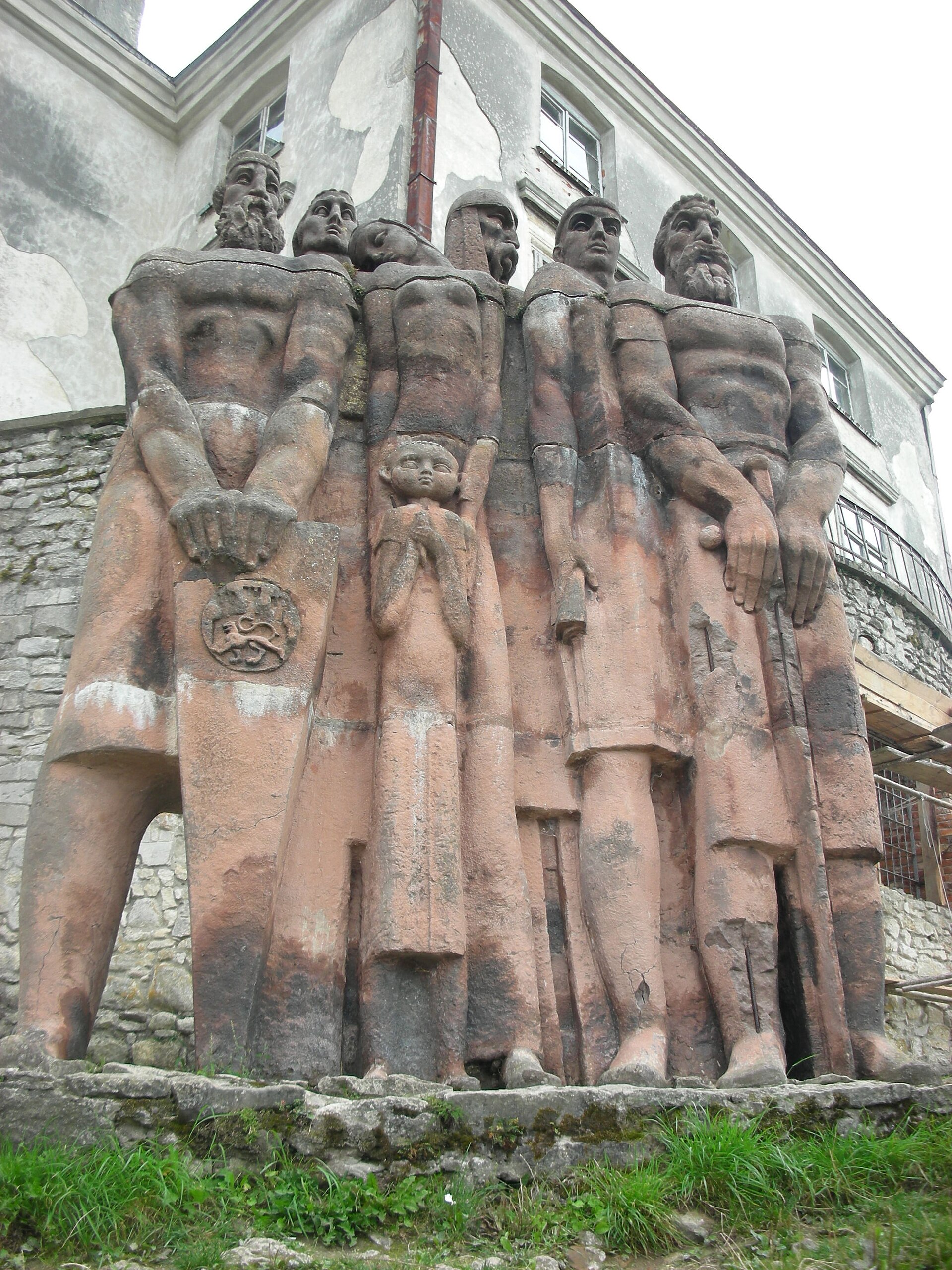
Perched on a gentle hill in the middle of the Ukrainian plains, Olesko Castle feels like a place where history hasn’t just been recorded—it’s still lingering in the air. The fortress, built in the 13th century, was designed to withstand sieges, and even now, its moat and earthen ramparts give the impression that it’s still bracing for an attack. Over the centuries, it has seen wars, fires, and periods of neglect, yet it stands today as a museum, its thick walls and vaulted ceilings preserving more than just artifacts. The real draw is the quiet, the way the wooden floors creak underfoot, and the sense that the past isn’t just remembered here—it’s alive.
The castle’s architecture tells the story of its evolution. Originally a defensive stronghold, its earliest features are unmistakably Gothic: narrow slit windows, massive towers, and walls built to repel invaders. But as the threat of raids faded, the fortress transformed into a noble residence. By the 17th century, Renaissance influences softened its harsh lines with elegant arcades and decorative details. Later, Baroque elements crept in—ornate stucco, twisting columns, and grand facades—each layer reflecting the tastes of the era. Walking through its halls, you can almost see the castle growing, adapting, and absorbing the spirit of the times.
Inside, the details are just as compelling. The grand fireplaces, carved with intricate designs, once warmed the castle’s inhabitants during harsh winters. The vaulted cellars, now home to archaeological exhibits, were once used to store supplies. One of the most intriguing spaces is the so-called Black Room, a chamber with such perfect acoustics that even a whisper carries across the entire space. Legends say it was used for secret conversations, as sound couldn’t escape its walls. Other rooms display collections of antique weapons, furniture, and paintings, each piece offering a glimpse into the daily lives of the people who lived here.
Olesko Castle is deeply tied to the histories of both Ukraine and Poland. Over the centuries, it passed through the hands of powerful families—the Daniłowiczes, the Sobieskis, and the Rzewuskis. One of its most famous residents was Jan III Sobieski, who was born here and later became King of Poland, renowned for his military leadership and role in defending Europe against Ottoman invasions. By the 19th century, the castle had fallen into disrepair, its walls crumbling and its interiors looted. It wasn’t until the mid-20th century that restoration efforts began, carefully bringing the fortress back to life. Today, it stands not just as a museum but as a symbol of resilience, a place that has weathered wars and time yet still retains its soul.
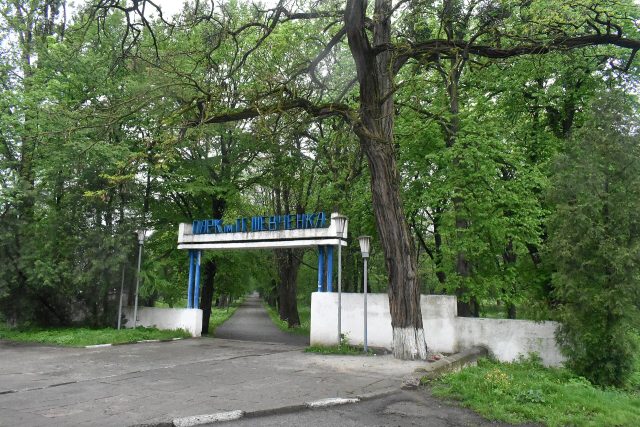
The surrounding landscape is just as captivating. The castle overlooks rolling fields and forests, with the Libertsiya River winding nearby. A short walk leads to an old park filled with ancient trees, where the air is thick with the scent of pine and earth. Climbing one of the towers rewards you with a sweeping view of the countryside—endless fields, patches of woodland, and distant villages. On clear days, the Carpathian Mountains appear on the horizon like a faint blue haze, adding another layer of depth to the scene.
Visiting Olesko Castle isn’t like touring a polished tourist attraction. There are no crowds here, no rushed guides herding visitors from one exhibit to the next. Instead, there’s a sense of stillness, as if time itself has slowed down. You can wander through the halls for hours, examining the artifacts, or simply sit in the courtyard, listening to the wind rustle through the trees. The castle doesn’t try to impress with grandeur or opulence; its charm lies in its authenticity. It feels lived-in, as if the stones themselves remember the people who once walked these halls.
For those who love history, architecture, or simply places with a strong sense of atmosphere, Olesko Castle is a hidden gem. It may not have the fame of Lviv’s castles or the dramatic setting of Kamianets-Podilskyi, but that’s part of its appeal. Here, the past isn’t just preserved in displays—it’s woven into the very fabric of the place. The air feels different, the silence more profound, and the weight of centuries more tangible. It’s the kind of place that stays with you long after you’ve left, as if a piece of its history has quietly settled into your own memories.