Perched on a gentle hill overlooking the quiet town of Olesko, the Church of St. Anthony feels like a place where time has paused, allowing the past to linger just a little longer. Built in the early 17th century, its white Baroque facade stands out against the surrounding greenery, its tall bell tower reaching toward the sky. The sturdy buttresses and clean lines of the structure give it a sense of solidity, as if it has always been here and always will be. It’s not just a building—it’s a silent witness to centuries of change, wars, shifting borders, and the quiet resilience of the people who have called this land home.
The church’s history is woven into the fabric of Olesko itself, a town that has belonged to Poland, Austria-Hungary, and now Ukraine. Commissioned by local nobility, it was meant to strengthen Catholic influence in the region, but it quickly became more than a place of worship. For generations, it served as a gathering point for the community, where births, marriages, and funerals were marked, and where people came to seek solace or celebrate together. Over the years, the church has been restored and repaired, but its original character remains intact—a blend of grandeur and humility that feels timeless.
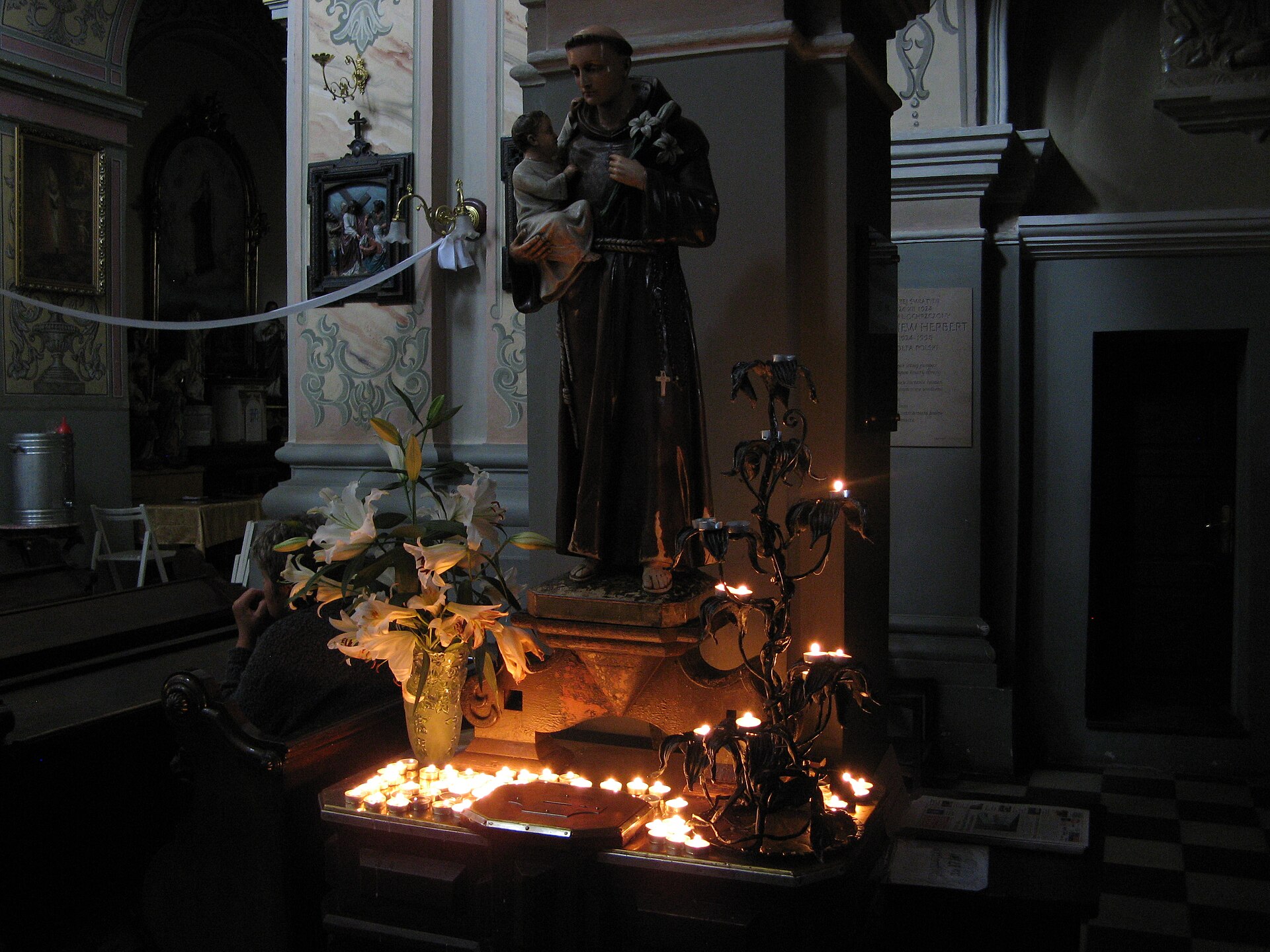
Step inside, and the first thing you notice is the light. It filters through narrow windows, casting soft shadows across the high vaulted ceilings and the sturdy columns that support them. The air is cool and still, carrying the faint scent of aged wood and candle wax. The main altar, dedicated to St. Anthony, is a masterpiece of craftsmanship, its intricate carvings and gilded details catching the dim light in a way that makes them seem almost alive. The side chapels hold smaller treasures—delicate frescoes and altarpieces created by local artisans, each piece telling its own story without a single unnecessary flourish.
This church has long been a quiet guardian of Galicia’s artistic heritage. Over the centuries, it has housed works by skilled craftsmen and inspired generations of artists and architects. In the 19th century, when the region experienced a cultural revival, the church became a destination not just for the faithful but for anyone who appreciated beauty and history. Even now, you can almost hear the echoes of organ music drifting through the nave, the murmur of prayers, and the footsteps of those who have walked these stone floors before you.
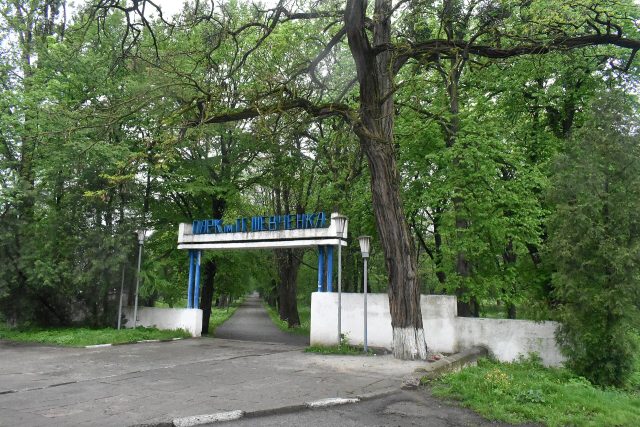
Despite its age, the Church of St. Anthony hasn’t become a relic. It’s still an active place of worship, where services are held and people come to light candles or sit in quiet reflection. Outside, a small park surrounds the building, offering a place to rest on a bench and take in the view. From here, the town unfolds below—the red-tiled roofs, the winding streets, and the rolling hills beyond. It’s a peaceful spot, one that invites you to slow down and simply be.
The church is more than just a historical monument; it’s a living part of the landscape, a reminder of how different cultures and traditions have shaped this corner of the world. Walking through its doors, you can feel the weight of history, but also its warmth. It’s not something distant or forgotten—it’s right here, in the worn stone underfoot, in the flicker of candlelight, in the way the light falls through the windows.
Visitors are welcome to explore the church, and there’s no rush once you’re inside. The atmosphere is one of quiet reverence, broken only by the occasional creak of a floorboard or the distant sound of a bell. There’s no crowd, no noise—just the sense of being in a place where time moves differently. Maybe that’s why people keep coming back. It’s not just about seeing something old; it’s about feeling a connection to the past, one that’s still very much alive in every corner of this place.