The Museum of Vojvodina in Novi Sad is one of those places where history feels alive, not just preserved behind glass. Housed in a stately building that once served as the seat of the regional government, it stands on the edge of the city’s central square, a quiet witness to the shifting tides of this part of Europe. The museum’s collections span centuries, but they don’t just document the past—they tell the story of a land that has been shaped by empires, migrations, and the quiet resilience of its people.
Walking through the galleries, you begin with the earliest traces of human settlement in the Vojvodina region. The archaeological exhibits reveal tools, pottery, and jewelry from prehistoric communities, offering a glimpse into daily life thousands of years ago. One of the most striking displays is the reconstruction of a Neolithic house, complete with the kind of simple, functional furnishings that once filled entire villages. It’s a reminder that this fertile plain between the Danube and the Tisza rivers has always been a crossroads, drawing people who left behind fragments of their existence.
The medieval section brings a different kind of history into focus. Vojvodina was a contested territory for centuries, caught between the Kingdom of Hungary, the Ottoman Empire, and later the Habsburg Monarchy. The museum does a careful job of balancing these narratives, showing how each ruling power left its mark on the land and its people. Weapons, coins, and religious artifacts hint at the conflicts and cultural exchanges that defined the era. A particularly moving exhibit is the collection of medieval tombstones, their weathered surfaces inscribed with symbols that speak of faith, loss, and the passage of time.
By the 18th and 19th centuries, Novi Sad had become a thriving center of Serbian culture and commerce under Habsburg rule. The museum captures this period with a mix of personal and political artifacts. There are letters from prominent figures, like the poet Jovan Jovanović Zmaj, whose work helped shape modern Serbian literature. There are also everyday objects—a merchant’s ledger, a child’s toy, a farmer’s tools—that paint a picture of life in a city growing more cosmopolitan by the day. One of the most interesting displays is a series of maps showing how Novi Sad expanded during this time, its streets and neighborhoods taking shape as the city became a hub for trade and intellectual exchange.
The 20th century brought dramatic changes, and the museum doesn’t shy away from the complexities of this era. Vojvodina’s history during World War II is particularly fraught, marked by occupation, resistance, and the horrors of the Holocaust. The exhibits here are sobering, with photographs, documents, and personal testimonies that make the scale of suffering impossible to ignore. After the war, the region became part of socialist Yugoslavia, and the museum reflects this shift with displays on industrialization, urban development, and the cultural policies of the time. It’s a period that many locals remember with a mix of nostalgia and ambivalence, and the museum handles it with a sense of nuance.
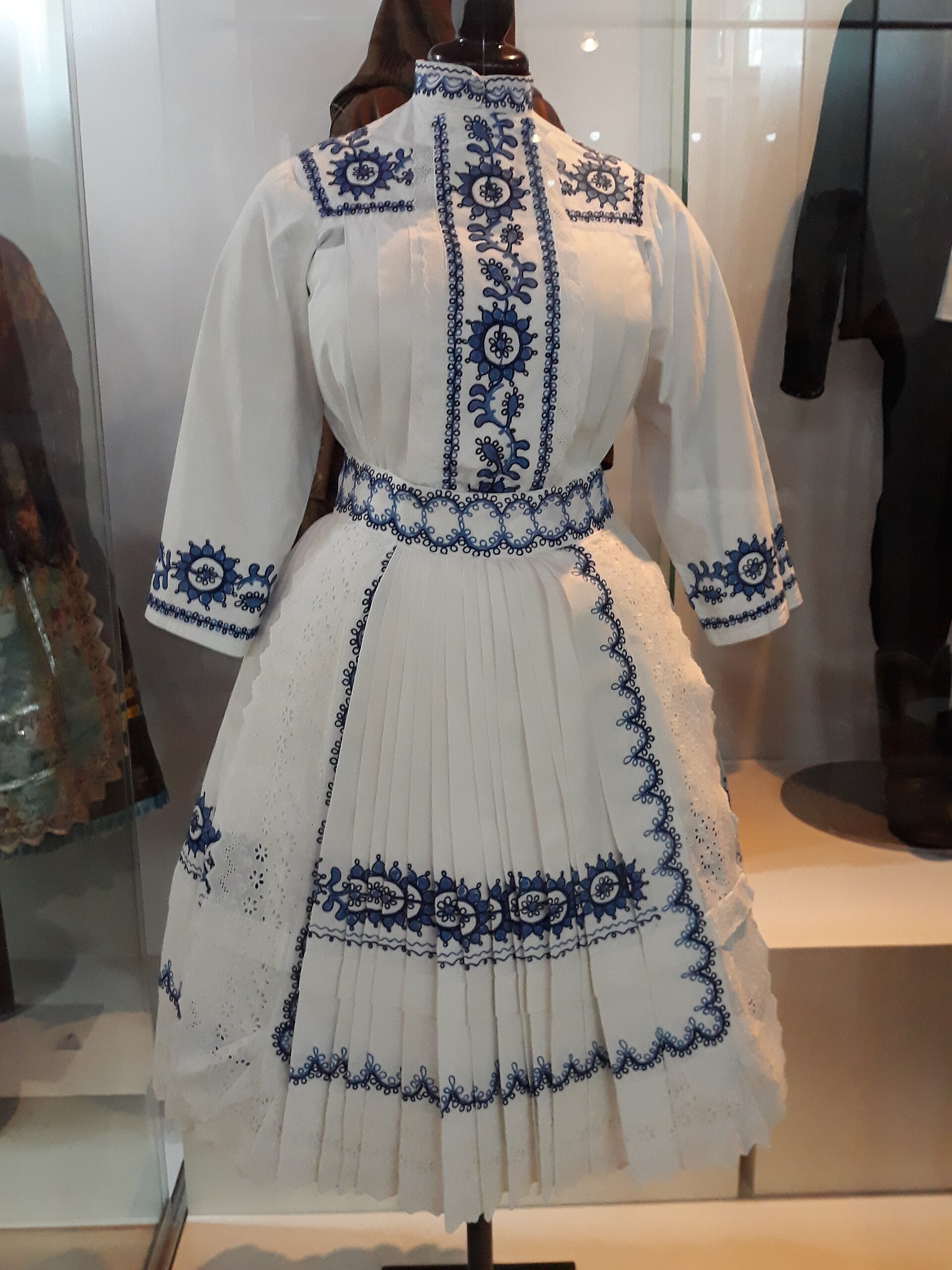
What makes the Museum of Vojvodina special is its focus on the people who lived through these changes. Oral histories, family photographs, and personal belongings bring the exhibits to life in a way that statistics and dates never could. There’s a section dedicated to the diverse communities that have called Vojvodina home—Serbs, Hungarians, Slovaks, Croats, Roma, and others—each contributing to the region’s unique identity. The museum doesn’t gloss over the tensions that have sometimes arisen between these groups, but it also highlights the moments of cooperation and shared culture that have defined life here.
The building itself is worth paying attention to. Constructed in the early 20th century, it blends elements of neoclassical and Secessionist architecture, with high ceilings, ornate moldings, and large windows that let in plenty of natural light. The grand staircase and the spacious halls give the museum an air of dignity, as if the very walls are aware of the weight of history they contain. Outside, the surrounding streets are lined with cafes and shops, making it easy to step out after a visit and reflect on what you’ve seen over a cup of coffee.
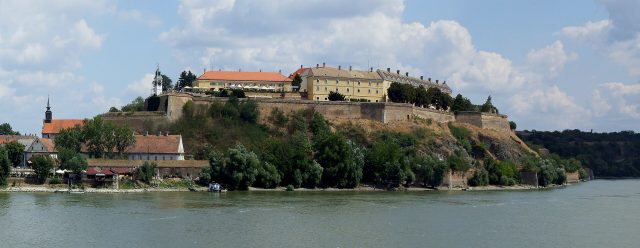
For anyone trying to understand Novi Sad beyond its famous landmarks like Petrovaradin Fortress or the EXIT Festival, the Museum of Vojvodina offers a deeper perspective. It’s not just a place to learn about the past—it’s a place to see how that past has shaped the present. The city today is a vibrant mix of old and new, and the museum helps explain why. Whether you’re interested in archaeology, art, or the everyday lives of people who lived here centuries ago, there’s something in these galleries that will make you look at Novi Sad with new eyes.