Visoko Museum is one of those quiet, unassuming places that doesn’t announce itself with grand displays or flashy exhibits, yet somehow leaves a deeper impression than many larger institutions. Housed in a modest early 20th-century building in the heart of town, the museum itself feels like a relic of another era—its simple architecture, with thick walls and high ceilings, speaks of a time when Visoko was just another provincial town in the Balkans, shaped by empires and local traditions rather than modern tourism. The building has seen wars, regime changes, and the slow march of progress, yet it stands almost unchanged, as if preserving not just artifacts but the very atmosphere of the past.
The exhibits trace the history of Visoko and its surroundings across centuries, beginning with the medieval period when the town was a thriving center of trade and craftsmanship under the Bosnian kingdom. This was an era when Visoko’s blacksmiths and jewelers were known far beyond its borders, and the museum holds a few surviving examples of their work—delicate filigree, sturdy tools, and coins that once passed through the hands of merchants traveling along ancient trade routes. The displays aren’t arranged to dazzle; instead, they feel like fragments of everyday life, carefully preserved. A rusted key, a chipped ceramic jug, a ledger with faded ink—each item tells a small story, hinting at the lives of people who walked these same streets centuries ago.
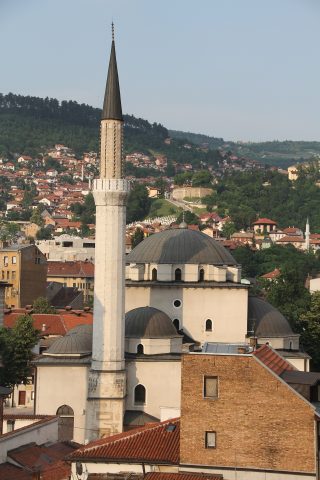
The Ottoman period, which lasted nearly four hundred years in Bosnia, is given its own space in the museum. Visoko, like much of the region, absorbed the influences of Ottoman rule in ways that are still visible today—from the layout of the old town to the names of streets and the occasional minaret rising above the rooftops. The museum’s collection from this era includes everything from intricately decorated coffee sets to weapons and official documents written in Ottoman Turkish. One of the most striking pieces is a series of old maps, where Visoko appears as a small but strategically placed dot along the routes connecting Sarajevo to other parts of the empire. It’s easy to imagine Ottoman officials, merchants, and soldiers passing through here, leaving behind traces of their presence in the form of coins, pottery, and the occasional personal belonging.
The 19th and 20th centuries brought new rulers and new ways of life, first under the Austro-Hungarian Empire and later as part of Yugoslavia. The museum’s exhibits from this period feel more intimate, almost personal. There are schoolbooks with handwritten notes in the margins, photographs of families posing in their best clothes, and household items that would have been common in any Bosnian home of the time. A particularly moving display features a collection of early 20th-century photographs showing Visoko’s streets as they once were—dirt roads lined with low-slung houses, some of which still stand today. The images capture a town that was neither wealthy nor particularly famous, but very much alive, with children playing in the alleys and shopkeepers standing in their doorways.
Beyond history, the museum also offers a glimpse into the cultural traditions of the region. The ethnographic section includes traditional clothing, embroidery, and folk instruments, some of which are still used in local celebrations. The costumes, in particular, are striking—elaborate wedding dresses with intricate beadwork, men’s vests adorned with silver thread, and headscarves that vary in style depending on the wearer’s village or status. These items aren’t just relics; they’re part of a living culture, one that has evolved but never entirely disappeared. Nearby, a small display of musical instruments—including the *saz*, a stringed instrument common in Ottoman music—hints at the sounds that would have filled the town’s squares during festivals and gatherings.
One of the most intriguing aspects of the museum is its collection of archaeological finds from the surrounding area. These include fragments of pottery, tools, and jewelry dating back to antiquity and the early medieval period. Many were uncovered near Visočica Hill, where some researchers believe an ancient settlement or fortress once stood. The artifacts themselves are often modest—a shard of painted pottery, a bronze brooch, a stone tool—but they raise questions about the people who made and used them. Who lived here before Visoko became Visoko? What were their lives like? The museum doesn’t claim to have all the answers, but the very presence of these objects suggests that the land beneath the town has been inhabited for far longer than written records can tell.
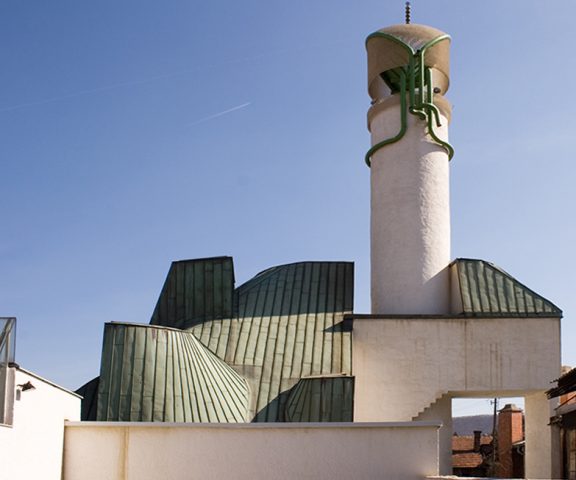
What makes Visoko Museum special isn’t the scale of its collection or the fame of its exhibits, but the way it captures the essence of a place that has always existed on the margins of history. This isn’t a museum about kings or battles or grand events; it’s about the quiet, persistent life of a town and its people. The exhibits feel less like curated displays and more like a conversation with the past, one that continues in the streets outside. After visiting, you might find yourself noticing the old Ottoman-style houses along the river, or the way the minaret of the local mosque punctuates the skyline, or even the faces of the people in the café across the street—all of them part of the same story the museum tries to tell.
A visit here doesn’t take long—an hour or two is enough to see everything—but it lingers in a way that more famous museums often don’t. Perhaps it’s because Visoko itself is a place where history isn’t confined to plaques or glass cases; it’s woven into the fabric of daily life. The museum doesn’t try to compete with Sarajevo’s grand institutions or Mostar’s tourist draws. Instead, it offers something rarer: a sense of continuity, of a town that has endured through centuries of change without losing its identity. For anyone curious about Bosnia beyond its well-trodden paths, this small museum is a reminder that history isn’t just about the places we remember—it’s also about the places that remember themselves.