The Begov Family Mausoleum in Visoko is one of those quiet places that seem frozen in time, holding onto memories of people and an era long gone but not forgotten. Tucked away on the edge of town, far from the usual tourist paths, its unassuming appearance belies the depth of its story—a story woven into the very fabric of Bosnia and Herzegovina’s past.
Built in the early 20th century, the mausoleum served as the final resting place for one of the region’s influential families. At the time, Visoko was a thriving hub of trade and craftsmanship, and the Begovs, like many Bosnian families of their standing, played a significant role in the city’s economic and cultural life. Their influence extended beyond business; they were part of a generation that shaped the identity of a place caught between empires. The mausoleum, though modest in size, stands as a silent witness to an age when Bosnia was under Austro-Hungarian rule, a period of transition and layered histories.
The architecture of the mausoleum reflects the traditional Islamic burial structures of the Balkans, though it carries its own distinct character. Constructed from pale stone, the building has weathered into a soft, warm hue over the decades. Its low, squat dome gives it a grounded dignity, while the entrance is framed by a simple, unadorned portal. Above it, faint traces of an Arabic inscription remain—a reminder of the traditions once honored here. Inside, the space is small, with gravestones bearing calligraphic epitaphs. These inscriptions, some barely legible, are all that remain of the people buried here, their words a quiet meditation on the passage of time.
Surrounding the mausoleum is an old Muslim necropolis, where tombstones stand in dense rows like guardians of the past. Some date back to the Ottoman era, their surfaces worn smooth by time, their inscriptions faded. Yet there’s a strange stillness here, one that invites reflection rather than unease. Visoko isn’t a place overrun by tourists, and the Begov Mausoleum isn’t the kind of site that draws crowds for dramatic photos or sensational stories. Instead, it appeals to those who seek quiet, who want to step away from the noise and connect with something real.
The story of the Begov family, like so many others in Bosnia, was disrupted by the upheavals of the 20th century. After the collapse of the Austro-Hungarian Empire and the wars that followed, their influence waned, and the mausoleum gradually fell into disrepair. Restoration efforts in recent decades have been limited, leaving the building in a state that, while not pristine, adds to its charm. The darkened stones, the cracks in the dome, the peeling plaster—these aren’t flaws but markers of a life lived, a history that refuses to be erased.
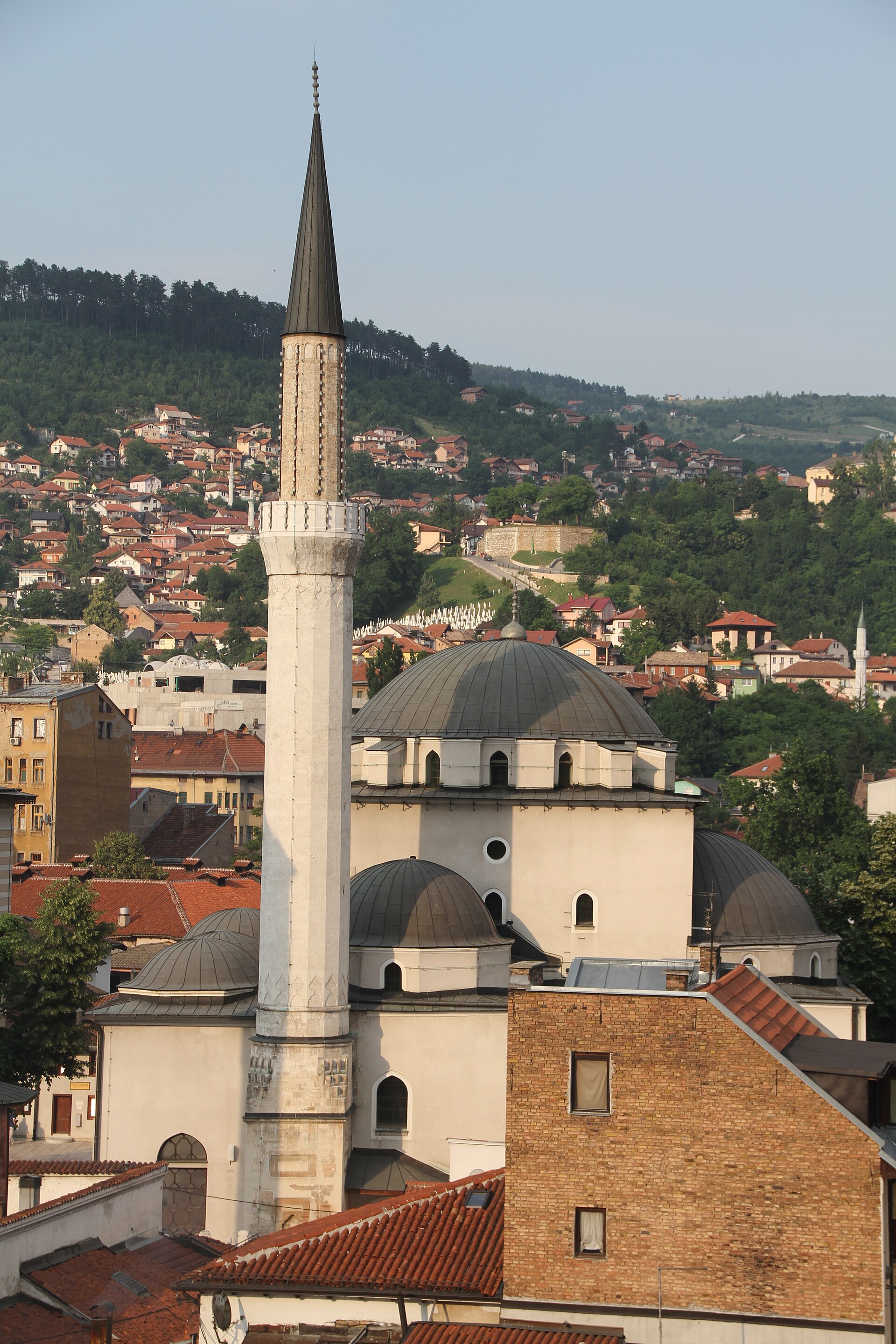
Today, the mausoleum is more than just an architectural monument; it’s a piece of Visoko’s cultural landscape. The town is better known for its medieval ruins and ancient settlements, but it’s these quiet corners where the past feels most present. Visoko doesn’t try to be a tourist hotspot, and that’s part of its appeal. Here, you can wander narrow streets, peek into the courtyards of old houses, listen to the distant call of a mosque’s bell, and stumble upon the mausoleum as if it had been waiting for you all along.
Visiting a place like this is a little like stepping into the past. The moment you enter the mausoleum, the first thing you notice is the coolness, a stark contrast to the heat outside. Light filters through small windows, catching dust motes in the air and casting shifting shadows on the walls. The gravestones inside are arranged in a way that feels almost conversational, as if they’re engaged in a silent dialogue. There are no guides, no explanatory plaques, no audio tours—just you and these stones, holding their secrets close. In moments like these, history stops being just dates and events and becomes something more personal: the lives, choices, and memories of those who came before.
The Begov Mausoleum doesn’t demand anything from its visitors except respect and a willingness to listen. It doesn’t shout for attention or try to impress, and that’s precisely why it lingers in the mind. In a world full of noise and distraction, places like this are rare. They remind us that true value often lies not in grandeur but in simplicity, not in loud declarations but in quiet reflection. Visoko, with its mausoleums, old mosques, and streets where time moves slowly, is the kind of place where you can pause and think about what really matters. And perhaps that’s why it’s worth seeking out.