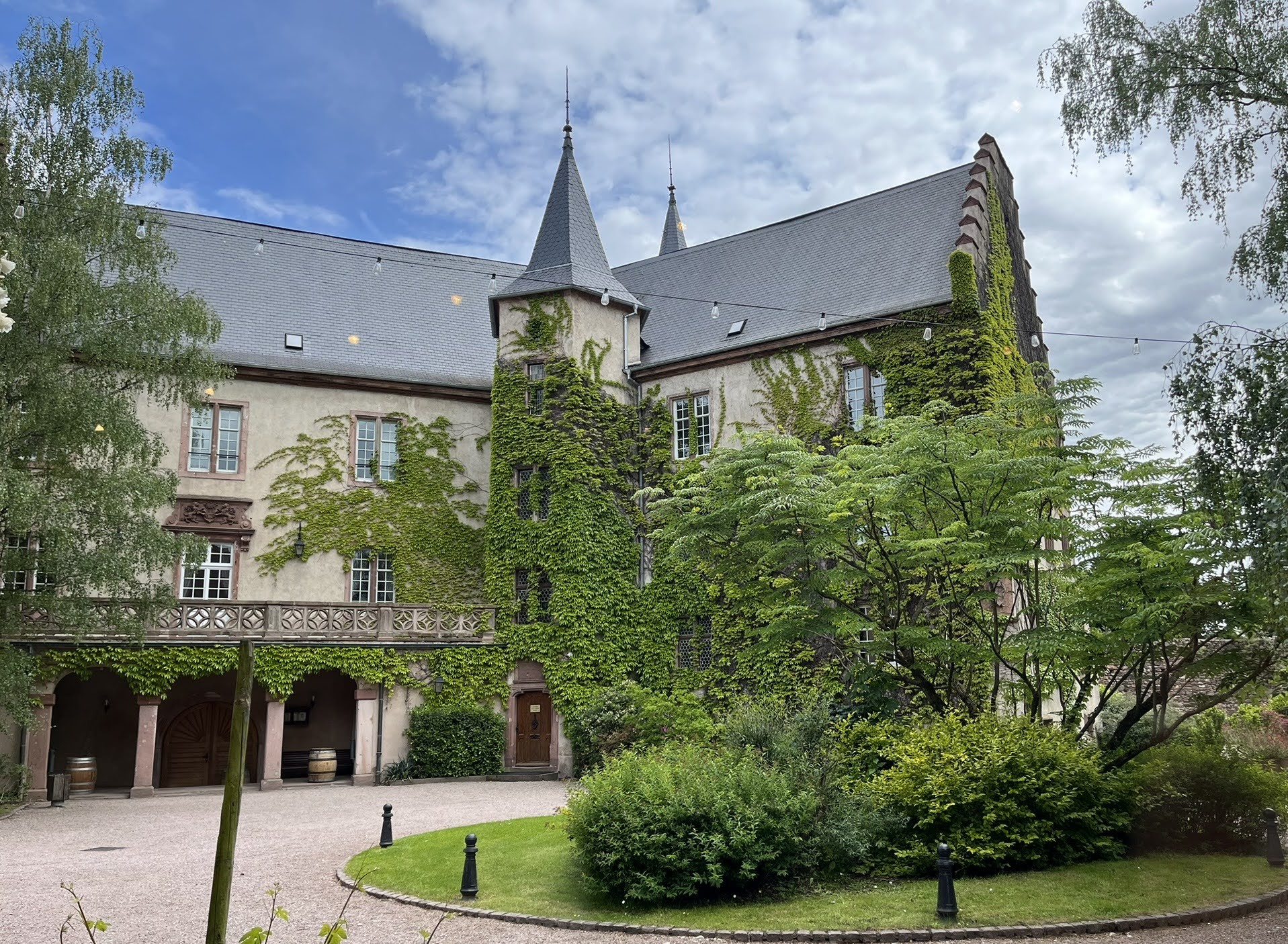
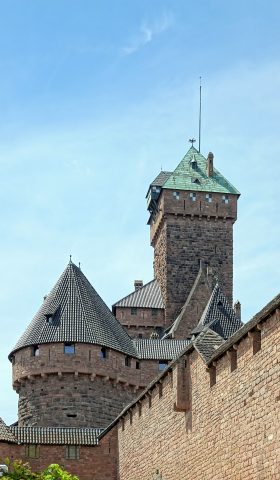
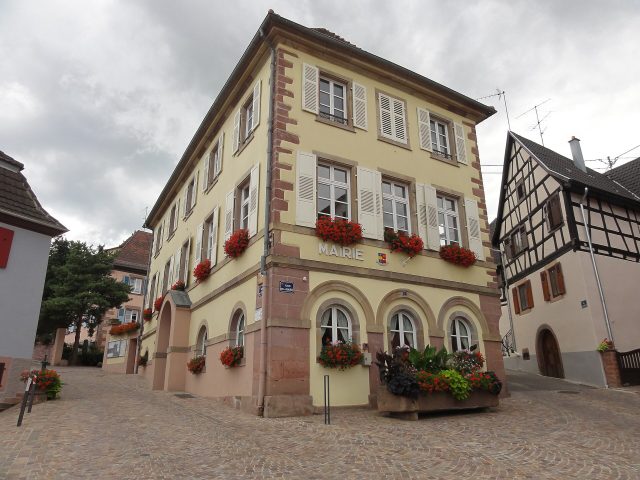
Nestled in the rolling hills of Alsace, where neat rows of vines stretch across gentle slopes and villages seem frozen in time, the Musée du Vignoble et des Vins d’Alsace offers more than just a glimpse into winemaking. It’s a place where the land’s rhythm and the people’s labor come together in a story that spans centuries. Orschwiller, a quiet village tucked between the Vosges Mountains and the Rhine plain, feels like the natural setting for this tale—one where every turn of the road reveals another layer of the region’s deep connection to wine.
The museum itself is housed in a former winery, its thick stone walls and heavy wooden beams carrying the weight of generations. There’s nothing grand or ostentatious about the building; it’s the kind of place where time moves slowly, where the air still holds the scent of fermenting grapes and old oak barrels. Walking through its rooms feels less like visiting an exhibit and more like stepping into someone’s home—a home where wine has always been at the center of life. The cellars, with their vaulted ceilings and cool shadows, were once filled with casks of aging wine, and even now, they hum with the quiet energy of tradition.
The exhibits trace the entire journey of wine, from the first cut of the pruning knife to the final pour. Old tools line the walls: rusted shears, hand-forged hoes, and massive wooden presses that required brute strength to operate. These aren’t just relics; they’re proof of how much has changed—and how much has stayed the same. One of the most striking displays is a collection of wine labels, some dating back to the early 1800s. They’re more than decorative; they’re snapshots of history, reflecting the shifting borders of Alsace, the changing tastes of drinkers, and the pride of families who have tended the same vines for centuries.
A separate section breaks down the winemaking process in detail, explaining how the region’s unique terroir shapes its wines. Alsace is known for its crisp whites—rieslings with bright citrus notes, gewürztraminers rich with lychee and spice, sylvaners that taste of green apples and wet stone. The secret lies in the land: the steep slopes that catch the sun, the cool nights that preserve acidity, and the mineral-rich soils that give the wines their distinctive character. The museum doesn’t just tell you this; it shows you, with maps of vineyards, samples of soil, and even a recreated winemaker’s workshop where you can almost hear the murmur of voices discussing the harvest.
But the heart of the museum isn’t in the tools or the technical explanations—it’s in the stories of the people behind the wine. Photographs of winemakers, their hands rough from work, line the walls alongside their journals, filled with notes on weather, yields, and the occasional personal remark. One entry might mention a late frost that ruined half the crop; another might celebrate a particularly fine vintage. These aren’t just historical documents; they’re a reminder that wine here was never just a product. It was a way of life, passed down through families, shaping their days, their celebrations, and even their sense of identity.
The tasting room is where all these threads come together. Surrounded by old barrels and dusty bottles, visitors can sample a flight of Alsace wines, each one a reflection of the land that produced it. A dry riesling might taste of flint and lemon, while a late-harvest gewürztraminer could burst with honey and tropical fruit. The experience isn’t just about flavor; it’s about understanding how the soil, the climate, and the hands of the winemaker all leave their mark. And if you’re lucky, the person pouring the wine might share a story or two—about their own family’s vineyard, or the year a sudden hailstorm nearly destroyed the harvest.
What makes this museum special isn’t its size or its flashy displays. It’s the way it captures the essence of Alsace: unpretentious, deeply rooted, and quietly proud. There’s no need for grand gestures here. The real magic lies in the details—the way the light filters through the old windows, the creak of the wooden floors, the faint scent of wine lingering in the air. It’s a place that invites you to slow down, to listen, and to appreciate the craftsmanship that turns grapes into something far greater than the sum of their parts.
After visiting, it’s worth taking the time to explore the surrounding countryside. Many of the nearby wineries welcome visitors, offering tastings and tours where you can meet the people who still tend the vines today. Some might let you walk through their cellars, explaining how they blend tradition with modern techniques. Others might invite you to join them during harvest season, when the air is thick with the sweetness of ripe grapes and the sound of laughter as neighbors work side by side. These moments, just as much as the museum itself, reveal why wine is so deeply woven into the fabric of Alsace.
Alsace has always been a region of contrasts—French in culture, yet with a German-influenced dialect; a place where medieval villages sit alongside rolling vineyards, and where the past feels very much alive in the present. The Musée du Vignoble et des Vins d’Alsace doesn’t just preserve that past; it brings it to life. It’s a reminder that wine here is more than a drink. It’s a legacy, a craft, and a way of connecting to the land and to each other. And if you ever find yourself in these hills, with the Vosges rising in the distance and the scent of grapes on the breeze, you’ll understand why.