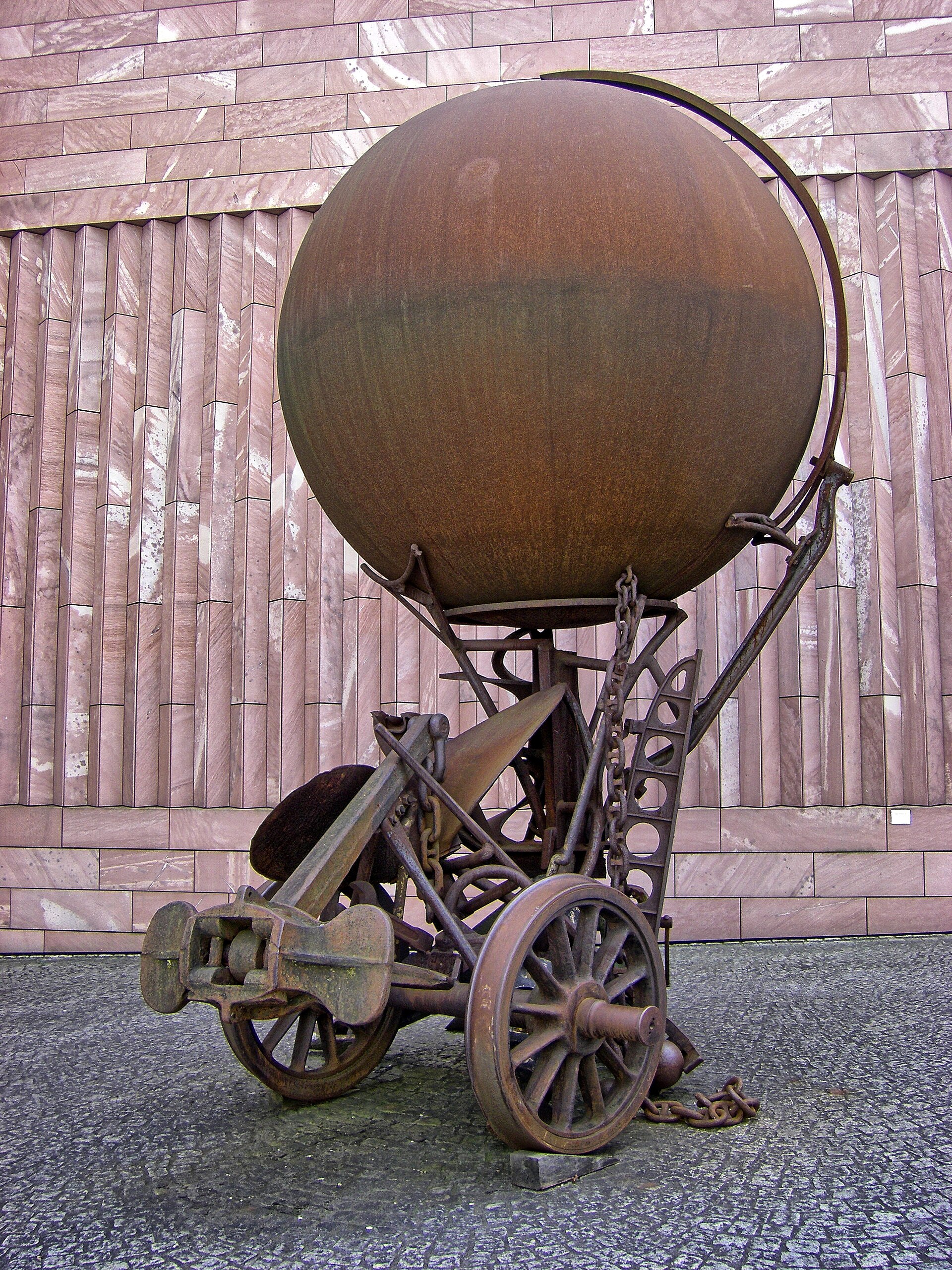
Basel’s Tinguely Museum is one of those rare places where art doesn’t just hang on the walls—it moves, clatters, and sometimes even seems to breathe. Dedicated to the work of Jean Tinguely, a Swiss artist known for his kinetic sculptures, the museum feels less like a traditional gallery and more like a workshop where mechanics and creativity collide. The building itself, designed by the architect Mario Botta, is a striking contrast of dark stone and glass, its angular forms framing the Rhine River just outside. Inside, the space is open and airy, allowing the sculptures to take center stage without distraction.
Tinguely’s work is impossible to ignore. His machines, often made from scrap metal, gears, and found objects, whir and creak as they perform their slow, deliberate dances. Some pieces are playful, like the ones that spray water or set off small explosions, while others feel almost melancholic, their movements suggesting the passage of time or the futility of human effort. The museum doesn’t just display these sculptures—it lets them live, their motors humming and their parts shifting in ways that make you wonder if they’re about to break down or simply carry on forever. It’s a strange, almost hypnotic experience, watching something so deliberately constructed appear so unpredictable.
The museum’s collection spans Tinguely’s entire career, from his early experiments with movement in the 1950s to his later, more complex installations. One of the most famous pieces, *Méta-Maxi*, is a towering, chaotic assembly of wheels, levers, and wires that seems to be in a constant state of near-collapse. Nearby, *Fatamorgana* is a more subdued but equally mesmerizing work, its delicate metal rods swaying like reeds in the wind. The museum also includes pieces by other artists Tinguely admired, such as his wife Niki de Saint Phalle, whose colorful, whimsical sculptures provide a counterpoint to his industrial aesthetic.
What makes the Tinguely Museum special is its lack of pretension. There’s no grand narrative here, no attempt to force meaning onto the work. Instead, the museum invites you to simply observe, to let the machines do their thing while you decide for yourself what they might represent. Some visitors see humor in the sculptures, others see tragedy or absurdity. Tinguely himself was famously elusive about his intentions, once saying that his machines were meant to be enjoyed, not analyzed. That spirit of playfulness is evident in every corner of the museum, from the interactive pieces that encourage visitors to press buttons and pull levers to the open-air sculpture garden by the river, where a few of his larger works stand exposed to the elements.
The museum’s location along the Rhine adds another layer to the experience. The river has always been a vital part of Basel’s identity, and Tinguely, who grew up in the region, often incorporated its presence into his work. Some of his sculptures seem to mimic the flow of water, their movements fluid and rhythmic, while others feel like industrial relics washed ashore. The museum’s terrace offers a quiet place to sit and watch the river drift by, a reminder that even in a city as old as Basel, there’s always something in motion.
Beyond the permanent collection, the museum occasionally hosts temporary exhibitions that explore themes related to kinetic art, mechanics, or the intersection of technology and creativity. These shows are usually thoughtful and understated, avoiding the spectacle that sometimes defines contemporary art spaces. The museum also has a small but well-curated bookshop, where you can find everything from academic texts on Tinguely’s work to quirky postcards featuring his sculptures. There’s no café on-site, but the surrounding neighborhood, with its mix of old Basel charm and modern riverside cafés, offers plenty of places to take a break.
Visiting the Tinguely Museum isn’t just about seeing art—it’s about experiencing it. The sounds of the sculptures, the way they cast shifting shadows on the walls, the occasional whiff of oil or metal in the air—all of it pulls you into a world where art isn’t static but alive. It’s a place that rewards patience, where the longer you stay, the more you notice. Some pieces reveal new details with each passing minute, while others seem to change entirely depending on the angle or the light. It’s easy to lose track of time here, especially on a quiet weekday when the museum is less crowded.
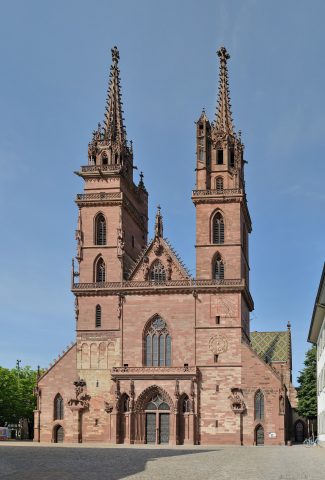
For those who know Basel primarily for its medieval old town or its reputation as a hub of the pharmaceutical industry, the Tinguely Museum offers a different perspective. It’s a reminder that the city has always been a place of innovation, where tradition and modernity coexist. Tinguely’s work, with its mix of industrial grit and poetic whimsy, feels perfectly at home here. The museum doesn’t try to be anything other than what it is—a celebration of an artist who saw beauty in movement, noise, and the unexpected. And in a world where so much art is polished and controlled, that feels refreshingly honest.