Travnik earned its reputation as the city of viziers for good reason. In the early 18th century, when the Ottoman Empire moved the seat of Bosnian governors here, this small town along the Lašva River became the political heart of the region. Within the walls of what is now the Old Town Museum, decisions were made that shaped the province—ambassadors were received, treaties were signed, and the daily business of governance unfolded. Walking through its narrow streets today, it’s easy to imagine the scene centuries ago: officials hurrying to audiences, merchants haggling in the marketplace, and the hum of conversation in coffeehouses where news from Istanbul was dissected and debated.
The Old Town isn’t just a fortress but a layered architectural ensemble that evolved over centuries. The earliest fortifications date back to the Middle Ages, when these lands were under Hungarian rule, but the city took its current form under Ottoman influence. The walls were reinforced, mosques and madrasas were built, and caravanserais sprang up to accommodate traders traveling between the Adriatic and the Balkan interior. The most striking feature is the fortress perched on a hill, its sturdy bastions and watchtowers once guarding against raids. Now, they offer sweeping views of the Lašva Valley and stand as silent witnesses to a turbulent past.
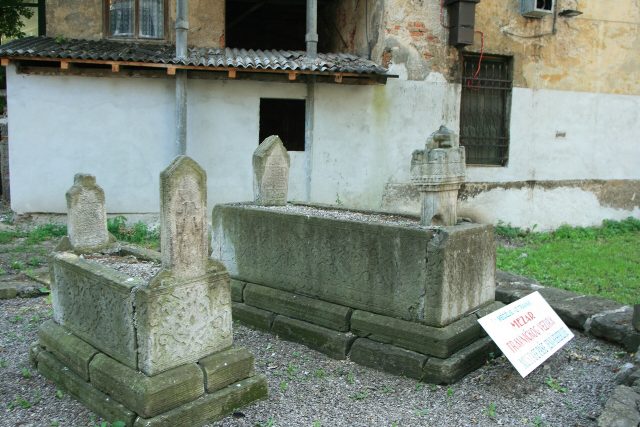
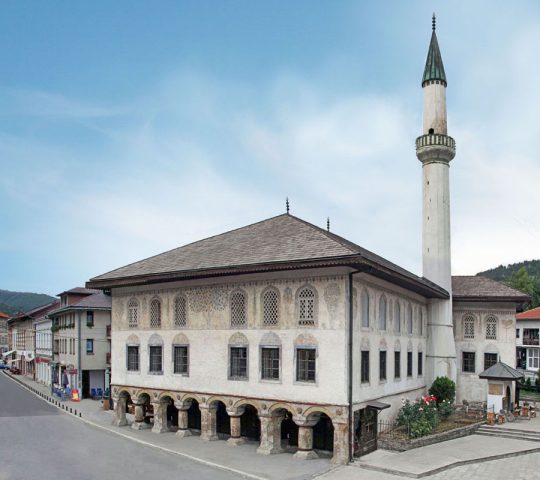
Within the fortress walls, the buildings tell stories of different eras. The oldest is the Suleyman Pasha Mosque, constructed in the 16th century. Its austere minaret and dome dominate the skyline, and inside, traces of original frescoes still remain. Nearby lie the ruins of a madrasa, where future officials and scholars once studied. A short walk away is a caravanserai, where merchants rested on their journeys. These structures aren’t just architectural relics—they’re reminders of Travnik’s role as a crossroads between East and West, a place where cultures and commerce intersected.
A focal point of the Old Town is the former vizier’s residence, a building centered around a courtyard with a fountain. This was once the seat of power, where critical decisions were made. Today, it houses a museum exhibition dedicated to Travnik’s history. The displays include Ottoman-era household items, weapons, coins, and documents that offer glimpses into the city’s life across different periods. One of the most compelling collections is a series of photographs from the late 19th and early 20th centuries, when Travnik was part of the Austro-Hungarian Empire. The images capture streets, people, and festivals, preserving the atmosphere of a bygone era.
Yet the Old Town is more than just a museum. The spirit of the past lingers here, especially in the early morning or late evening when the crowds thin. The cobblestone alleys wind past old houses with wooden balconies and intricately carved shutters. Some of these homes are still lived in, and the occasional sound of a radio or clattering dishes drifts through open windows. The central square, once the bustling heart of the marketplace, now has benches where locals gather to chat. The air carries the scent of freshly baked bread from a nearby bakery and the rich aroma of coffee brewing in small cafés.
Travnik is known for its hospitality, and the Old Town is where this tradition feels most alive. Tiny cafés scattered throughout the museum grounds serve classic Bosnian dishes—ćevapi, burek, and pita stuffed with meat or cheese. Coffee is prepared the Turkish way, in small copper pots called džezvas, and often accompanied by rahat lokum or a piece of baklava. The locals are quick to share stories, whether about the city’s history or the legends that have taken root here. One of the most enduring tales involves a tower on the fortress wall, where a vizier’s doomed lover was said to have been imprisoned.
What makes the Old Town special is how history isn’t confined to exhibits—it’s woven into the fabric of daily life. You could spend hours exploring its monuments, or you could simply sit on a bench and watch the world go by. There’s no rush here, no tourist hype, just the quiet rhythm of a place that has existed for centuries. Travnik doesn’t try to impress with grandeur; it endures, much as it always has, and that’s where its charm lies.
If you find yourself in Bosnia and Herzegovina, don’t miss the chance to visit Travnik. This isn’t a city that reveals itself immediately—it demands time, a stroll through its streets, a moment of quiet within the fortress walls, and a deep breath of mountain air. The Old Town isn’t just a landmark; it’s a living piece of history that continues to unfold. And perhaps that’s why it leaves such a lasting impression—a place where time moves to its own unhurried beat.