L’Aventure du Sucre: Where Sugar Wrote Mauritius’ Story
The old sugar factory in Triolet still stands, its brick walls holding more than just rusted machinery. Here, the island’s history isn’t displayed behind glass—it’s in the creak of wooden beams, the scent of molasses lingering in the air, and the faded photographs of workers whose names no one remembers. Sugar didn’t just fuel the economy; it shaped everything: the laws, the languages, the way people lived and died.
When the Dutch arrived in the 17th century, they found an empty island with soil that drank the rain and sun like it was made for cane. The French expanded the plantations, and by the 1800s, sugar was the island’s pulse. Triolet’s factory outlasted the others, not because it was the biggest or the most efficient, but because it became something else: a place to remember.
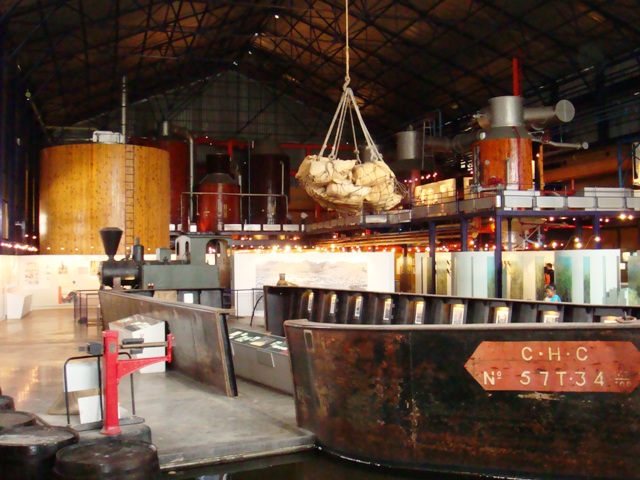
The buildings themselves are time capsules. High ceilings swallow the sound of footsteps. The boilers, presses, and centrifuges—some still operational—stand like relics of an industrial religion. The engine room, with its steam-powered machinery, feels alive in a way that’s almost unsettling. You can almost hear the shouts over the roar, feel the heat pressing against your skin.
The museum doesn’t just show how sugar was made. It shows who made it.
Enslaved Africans and Malagasy were the first, followed by indentured laborers from India and China. Their stories are in the tools they used, the cramped quarters they slept in, the documents that recorded their lives in ledgers. The photographs are the hardest to look at—not because they’re graphic, but because they’re ordinary. People standing in front of cane fields, holding children, wearing clothes that have long since turned to dust.
The sugar production process is laid out step by step. You see how cane was crushed, how the juice was boiled down, how molasses was spun from sugar. Mauritius still produces unrefined cane sugar, dark and sticky with molasses, used in rum and local sweets. The tasting room lets you compare it to the white crystals we take for granted.
By the time Mauritius gained independence in 1968, the sugar industry was already fading. Prices fell. Factories closed. Triolet’s survival was a fluke—a decision to preserve rather than demolish. Today, the fields around the museum are still harvested, but the trucks passing by are fewer, the loads lighter. The factory won’t start up again. Its job now is to make sure we don’t forget what it took to build an island on sugar.
What stays with you isn’t the grandeur of the industry, but its contradictions. The same crop that brought wealth also brought suffering. The same fields that fed families also broke them. The museum doesn’t pick a side. It shows the ledger: the profits and the losses, the pride and the pain.
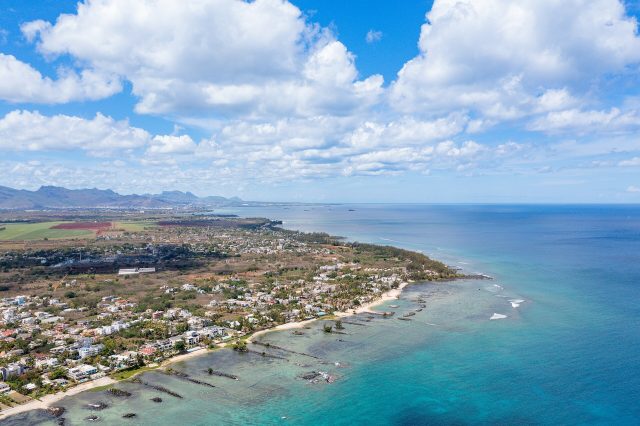
For visitors, this isn’t the Mauritius of brochures. There are no beaches here, no palm trees swaying in the breeze. Instead, there’s the weight of history in the air, the kind that settles in your chest and makes you look at the cane fields differently on the drive back. They’re not just scenery anymore. They’re a reminder that every place has a story, and some of them are written in sugar.