Novi Pazar’s Museum of Ras sits quietly on a hillside where the past feels almost tangible. This is where the story of medieval Serbia takes shape—not just in books or legends, but in the very earth beneath your feet. The museum is part of the Stari Ras archaeological complex, once the heart of Raška, the first Serbian state. The ruins scattered across the surrounding hills and valleys—fortresses, monasteries, and settlements—whisper of a time when this land was the political and spiritual center of a growing nation. The museum itself acts as a bridge, preserving the fragments of that era and giving them a voice.
Stari Ras emerged in the 9th century and remained a vital hub for centuries. By the 11th and 12th centuries, it had become the seat of the Nemanjić dynasty, the rulers who shaped Serbia’s golden age. This wasn’t just a capital in name; it was a place where power, faith, and culture intersected. Monasteries rose in the surrounding countryside, their frescoes and architecture later recognized as masterpieces of medieval Serbian art. The museum brings this world to life through everyday objects—tools, weapons, jewelry, and religious artifacts—each one a small piece of a much larger puzzle.
One of the museum’s most compelling collections features fragments of frescoes and architectural details from nearby monasteries like Sopoćani and Đurđevi Stupovi. These sites, now UNESCO World Heritage landmarks, are celebrated for their artistry, blending Byzantine influences with local traditions. The museum displays pieces of these frescoes, their colors still vivid in places, alongside liturgical objects that offer a glimpse into the spiritual life of the time. It’s a rare chance to see these works up close, away from the crowds that gather at the monasteries themselves.
The Stari Ras complex is more than just the museum. The ruins of Ras Fortress stand on a hill overlooking the valley, its crumbling walls once a symbol of strength and protection. From this vantage point, you can imagine the bustling life of the medieval city below. Nearby, the remains of an early Christian basilica from the 6th century hint at even older layers of history, long before the Serbian state took shape. Walking among these ruins, it’s easy to feel the weight of time—the way each era built upon the last, leaving traces that still linger in the landscape.
The museum doesn’t just focus on the medieval period. Its collections stretch further back, to the days when this region was part of the Roman Empire. Coins, pottery, and tools from that time reveal the daily lives of people who lived here long before the Nemanjić dynasty. These artifacts help piece together how the land evolved, how different cultures left their mark, and how the past isn’t just a single story but a tapestry of overlapping histories. It’s a reminder that this corner of Serbia has always been a crossroads, shaped by the movements of empires and peoples.
Visiting the Museum of Ras is less about ticking off exhibits and more about stepping into another time. The location itself adds to the experience—the quiet hills, the scattered ruins, the sense of being in a place where history isn’t just remembered but felt. The museum’s small size works in its favor; there’s no rush, no overwhelming crowds. Each object, whether a simple clay pot or an intricately carved religious item, has space to tell its story. Outside, the landscape invites exploration, with paths leading to the fortress and beyond, toward the monasteries that still stand as silent witnesses to the past.
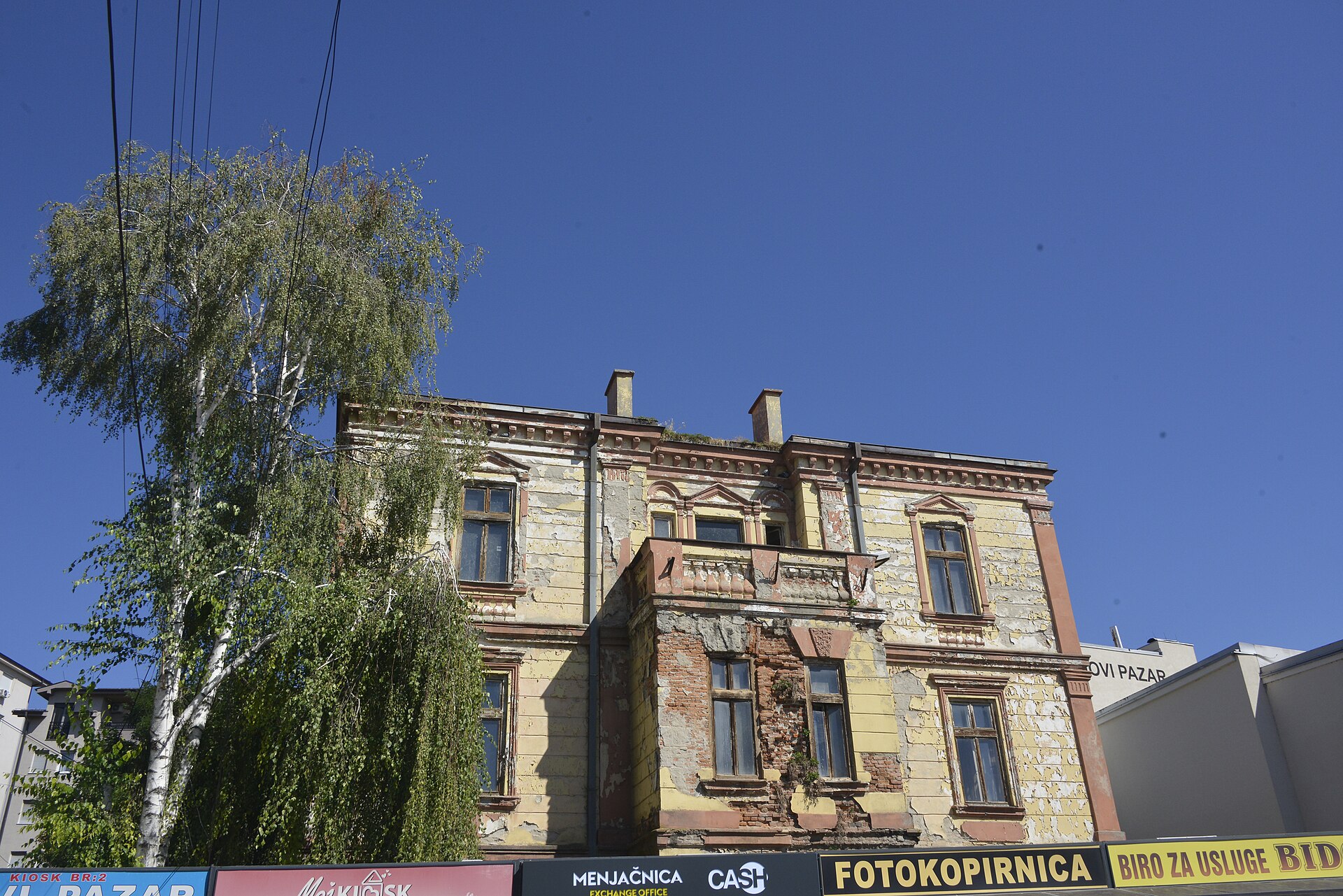
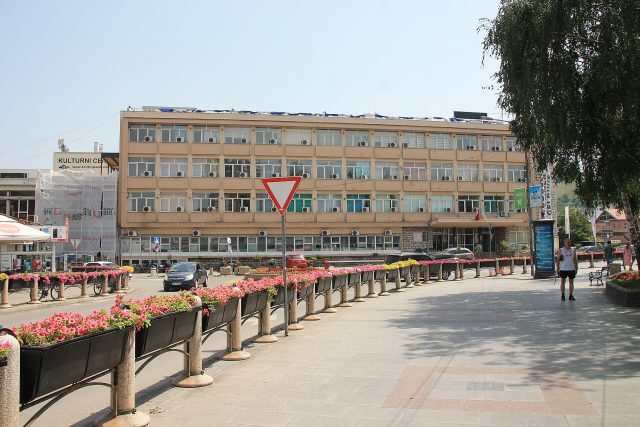
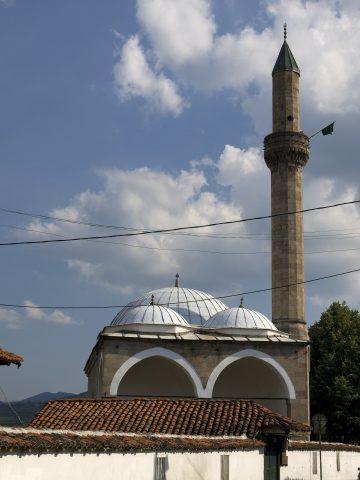
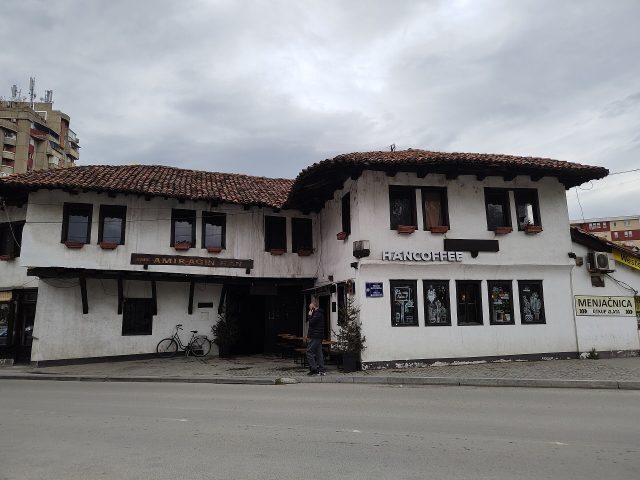
Novi Pazar, the city that surrounds the museum, is a place where history feels alive in a different way. It’s a crossroads in its own right, where Ottoman mosques stand near Orthodox churches, where narrow streets of the old town give way to modern life. The Museum of Ras fits into this mosaic, offering a deeper understanding of how Serbia’s identity was shaped by the forces that passed through here. It’s a place for those who want to look beyond the surface, to see how the threads of history weave together in unexpected ways.
For anyone drawn to history, archaeology, or simply the quiet power of old places, the Museum of Ras is worth the visit. It’s not a grand, sprawling institution, and that’s part of its charm. Here, you can take your time, lingering over details that might get lost in a larger museum. The visit can easily stretch into a full day, especially if you pair it with a walk through Stari Ras and a trip to the nearby monasteries. The landscape itself is part of the experience—rolling hills, ancient walls, and the sense that the past isn’t as distant as it seems.
Stari Ras and its museum are a reminder that history isn’t just a list of dates or battles. It’s made up of the lives of ordinary people, their beliefs, their struggles, and the things they left behind. Walking through the ruins or standing in front of a centuries-old fresco, you can almost hear the echoes of those who came before. This is a place for those who appreciate the quiet, the unspoken stories, and the way the past lingers in the stones beneath your feet.