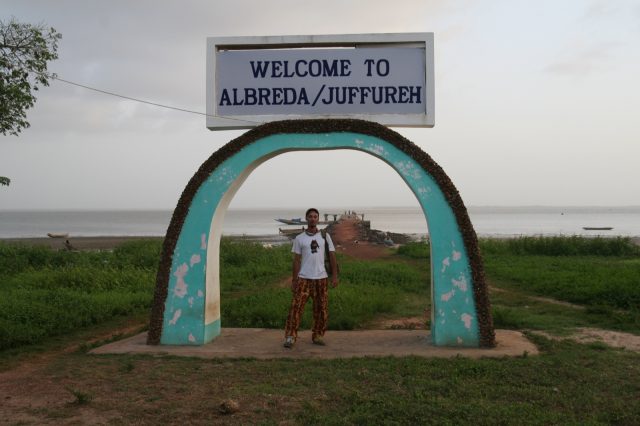
Albreda is a quiet riverside village in The Gambia, where the Gambia River widens into a slow, steady flow toward the Atlantic. Far from the usual tourist trails, it holds a modest building that carries the weight of a painful chapter in history—not just for this country, but for the world. The Slavery Museum in Albreda isn’t a place where the past is merely remembered; it’s where people come to grapple with how that past still echoes today.
The village itself was once a crucial hub in the transatlantic slave trade. During the 17th and 18th centuries, thousands of people passed through Albreda, forcibly taken from their homes and shipped to the Americas. European traders set up posts along the riverbank, while local leaders and middlemen brokered deals that would alter the fate of entire communities. The museum occupies a colonial-era building, its architecture a quiet reminder of the power structures that once dictated life and death here.
Inside, the exhibition is small but carefully curated, with each item chosen to honor the stories it represents. There are no flashy displays or interactive screens—just authentic artifacts, documents, and photographs that piece together how the slave trade operated. Visitors see the chains and shackles used to restrain captives, old maps tracing the routes of slave ships, and records of transactions where human beings were treated as commodities. Among the most moving exhibits are the voices of Africans themselves: oral histories passed down through generations and rare written accounts that survived against the odds.
The museum doesn’t sensationalize the brutality of slavery, but neither does it soften the truth. It presents the trade as a system in which many participated—European merchants, African chiefs, Arab traders, and local intermediaries. There are no easy narratives here, only an attempt to reconstruct the complex web of economic interests and greed that destroyed millions of lives. The halls resonate with the perspectives of historians and descendants of those who endured this history, making the experience deeply personal.
Just outside the museum stands the Freedom Tree, a massive baobab where, according to local tradition, deals for the sale of people were once struck. Today, it has become a symbol of hope and reconciliation. Under its sprawling branches, locals and visitors often gather to reflect on the legacy of slavery and how it continues to shape society. Like the museum, the tree serves as a reminder that history isn’t confined to the past—it lives on in culture, relationships, and the way people see one another.
Albreda is part of a broader historical landscape. A short distance away lies James Island, another site tied to the slave trade and now a UNESCO World Heritage site. Together, they form a route of remembrance, offering a glimpse into how the trade reshaped the region over centuries. A visit here isn’t just a tour; it’s an opportunity to consider how the past lingers in the present.
The experience leaves a lasting impression, though not the kind that fits neatly into a travel album. There’s no lightness here, no postcard-perfect scenery—just the weight of understanding what freedom truly means. Albreda doesn’t offer entertainment or easy answers. Instead, it invites reflection. While few tourists make the journey compared to other parts of The Gambia, those who do leave with more than memories; they carry questions that stay with them long after.
The village itself moves at its own unhurried pace. Fishermen head out onto the river in the mornings, children play in the dusty streets, and women cook over open fires. There’s a quiet rhythm to life here, but also an unsettling awareness that this very place once decided the fate of thousands. The Slavery Museum doesn’t claim to have all the answers, but it helps visitors ask the right questions. And perhaps that’s the point.