The museum in Oudtshoorn collects fragments of a small town’s past. It shows how life unfolded in this arid corner of the Karoo. The stories here belong to people who farmed the land, laid roads, and adapted to the harsh landscape. Objects on display—tools, letters, household items—were part of daily life, not just exhibits behind glass.
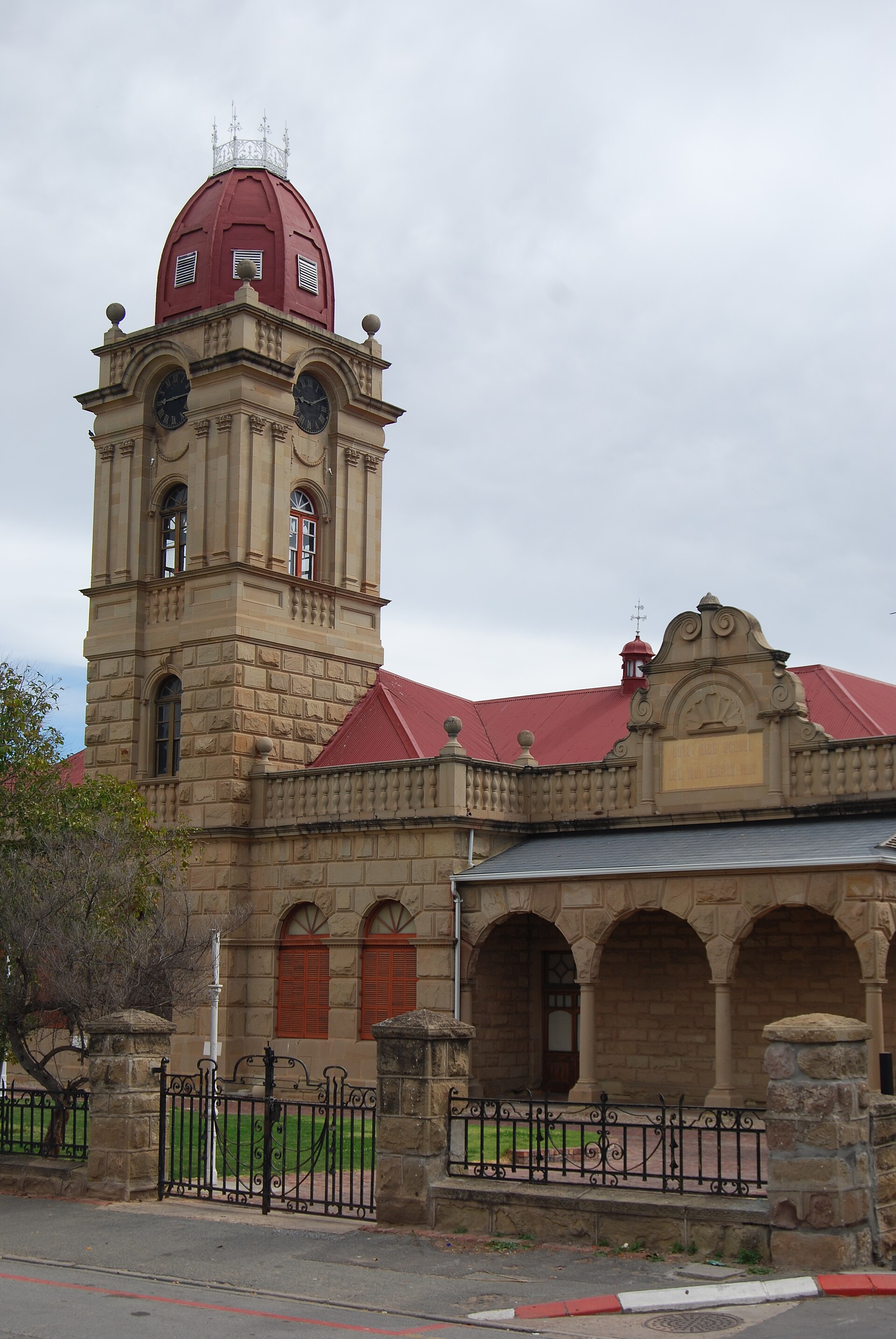
The building tells its own story. It dates to Oudtshoorn’s brief boom in the late 1800s, when the town became the center of the global ostrich feather trade. For decades, farmers grew wealthy, shipping feathers to Paris and London. The museum occupies one of the grand houses from that era—a Victorian mansion with high ceilings, woodwork, and stained-glass windows. The light still falls through them as it did when the original owners hosted dinner parties.
The feather trade shapes much of the museum’s story. By the early 1900s, ostrich plumes were in demand. The museum shows photographs of drying sheds, tools for sorting plumes, and finished products—fans, boas, and hats worn by women in cities across the world. It also covers the trade’s collapse. When World War I began, fashion changed, and the market for feathers disappeared. Farmers lost their fortunes, and the town’s prosperity faded. The museum lets the objects and documents tell this story.
Oudtshoorn’s history isn’t only about ostriches. The museum includes the region’s deeper past, like the lives of the Khoisan people who lived in the Karoo before European settlers. Their story appears through tools, pottery, and copies of rock art from nearby hills. The Khoisan moved with the seasons, relying on the semi-desert’s sparse resources. Their way of life differs from the colonial era, and the museum places them side by side.
The Karoo’s ancient past is here too. The region holds fossils, and some are on display—remnants of creatures that lived millions of years ago. Exhibits explain how the landscape changed, from prehistoric seas to today’s arid plains. It shows how this land has always shifted, shaped by forces beyond human control.
The museum also reflects contemporary Oudtshoorn. Temporary exhibitions feature local artists and craftspeople. Workshops let visitors try leatherworking or beadwork. There are no crowds, so you can take your time with a display or sit in the courtyard under the old trees.
This museum doesn’t pretend to be grand. It doesn’t need to. It offers something else: a clear view of how this town came to be. The stories here are small but stay with you. After visiting, you might walk Oudtshoorn’s streets differently or head to the nearby ostrich farms. The museum doesn’t just preserve the past—it changes how you see the present.