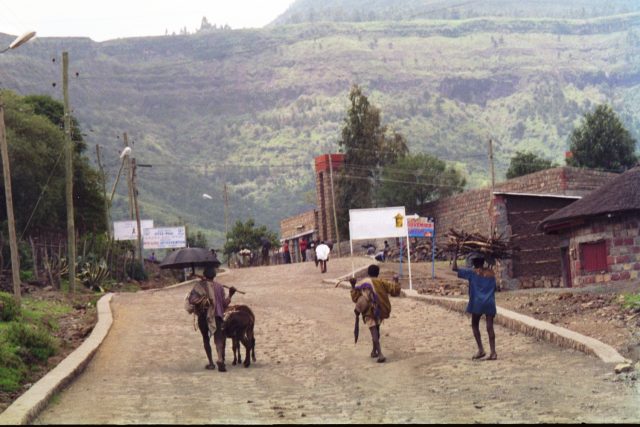
The Gurage Cultural Museum in Butajira is one of those rare places where history doesn’t just sit behind glass—it feels alive in every object. This small but thoughtful museum is dedicated to the Gurage people, an ethnic community in southern Ethiopia known for their deep-rooted traditions, vibrant crafts, and a way of life that has endured for centuries. The Gurage homeland is a region of rolling green hills and fertile valleys, where the land itself seems to shape the culture. The museum serves as a quiet but powerful bridge between the past and present, offering visitors a chance to see the world through the eyes of a people who have carefully preserved their identity despite the pressures of modern life.
The museum building itself is modest, far from the grand marble halls of larger institutions. Its walls and displays reflect the hands of local artisans, creating an intimate atmosphere where the exhibits feel personal rather than curated. Inside, the collection is arranged thematically rather than chronologically, grouping objects by their role in daily life. Traditional tools, household items, clothing, and jewelry tell the story of the Gurage people’s relationship with the land. Farming implements—plows, hoes, woven baskets—take center stage, a reminder that for this community, agriculture was never just labor but a sacred connection to the earth.
One of the most compelling sections of the museum focuses on Gurage architecture. Their traditional homes, called *tukul*, are built from wood, clay, and thatch, with each element serving a purpose beyond shelter. The roofs are often adorned with geometric patterns that aren’t merely decorative; they help channel rainwater and reflect the community’s belief in harmony with nature. The museum features models of these homes alongside photographs showing how they blend into the landscape. These structures are more than dwellings—they’re a physical expression of a worldview where every detail, from the shape of the door to the angle of the roof, carries meaning.
Craftsmanship is another cornerstone of Gurage culture, and the museum does justice to this tradition. The Gurage are renowned for their woodworking, weaving, and basketry, skills passed down through generations. The exhibits include intricately carved wooden utensils, bowls, and ceremonial objects, each piece telling a story of patience and precision. The textiles, woven by hand, are particularly striking—bright, patterned, and rich with symbolism. The motifs might represent fertility, protection, or ancestral ties, and these fabrics aren’t just relics; they’re still worn and used in daily life, a living link to the past.
Religion and ritual hold a special place in Gurage culture, and the museum explores this dimension with care. The exhibits include objects tied to both traditional beliefs and Christianity, which arrived in the region in the 4th century and merged with local customs over time. Ritual masks, amulets, and musical instruments offer a glimpse into the spiritual life of the community. One standout piece is the *kebero*, a traditional drum used in ceremonies marking life’s milestones—birth, marriage, and death. Its deep, resonant sound is said to echo the heartbeat of the Gurage people, a constant presence from the first breath to the last.
What makes the Gurage Cultural Museum truly special is its ability to go beyond static displays. Visitors often have the chance to engage with the culture firsthand through workshops led by local artisans. You might try your hand at weaving a basket, carving a wooden pattern, or even preparing a traditional Gurage dish. These experiences transform the museum from a place of observation into one of participation, allowing visitors to connect with the culture in a tangible way. It’s one thing to see a loom or a cooking pot; it’s another to understand the skill and intention behind them.
Beyond its role as a cultural repository, the museum plays a vital part in preserving the Gurage heritage. In a world where globalization threatens to erase local traditions, places like this become guardians of memory. The staff—many of them local enthusiasts—work tirelessly to collect artifacts, record oral histories, and document fading crafts. Their efforts ensure that the knowledge of elders isn’t lost to time, and that future generations can reconnect with their roots. The museum isn’t just about looking backward; it’s about keeping the past alive for those who come next.
A visit to the museum can be the perfect starting point for exploring the wider Gurage region. Afterward, it’s worth venturing into nearby villages, where life still moves to the rhythm of tradition. Here, you can see tukuls being built by hand, fields being tended with age-old techniques, and festivals celebrated with music and dance. The locals are often welcoming, eager to share their stories and customs with curious visitors. The landscape around Butajira—terraced hills, winding rivers, and patches of forest—adds to the sense of stepping into a world where time moves differently, unhurried and deliberate.
The Gurage Cultural Museum isn’t a grand attraction, but that’s part of its charm. There’s no pretension here, just a quiet authenticity that makes it feel real. For anyone interested in Ethiopia’s cultural depth, it’s a place that shouldn’t be missed. Some of the most profound stories aren’t found in the biggest museums but in the small, unassuming ones—where the past isn’t just remembered, but still breathing.