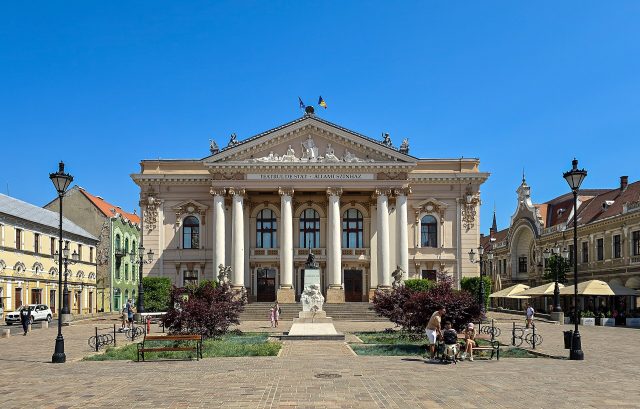
The Crisana Museum in Oradea is one of those rare places where history isn’t just displayed—it lingers in the air, woven into the very fabric of the building. Housed in a 19th-century mansion at the heart of the city, the museum feels less like an institution and more like a quiet conversation with the past. The architecture itself tells a story, blending Hungarian and Romanian influences in a way that’s unmistakably Transylvanian. High ceilings, intricate plasterwork, heavy wooden doors, and stained-glass windows filter the light into something soft and timeless. Walking through its rooms, you don’t just observe history; you step into it.
The museum is dedicated to the region of Crisana, a corner of western Romania that borders Hungary. Its collections span centuries, from ancient artifacts to medieval relics. Archaeological finds—pottery, weapons, jewelry, and coins—paint a picture of life in these lands long before modern borders existed. The Roman period, when this area was part of the province of Dacia, is particularly well-represented. Fragments of tombstones, small statues of gods, and everyday objects offer glimpses into how people lived, worked, and worshipped. But the museum doesn’t stop at antiquity. Documents, photographs, and household items from more recent centuries reveal the lives of peasants, craftsmen, and urban dwellers, showing how the region evolved over time.
The mansion that now holds the museum once belonged to one of Oradea’s prominent families. Its interiors still carry the elegance of late 19th- and early 20th-century bourgeois life. Biedermeier furniture, antique clocks, paintings by local artists, and engravings of the city’s past all contribute to the atmosphere. Some rooms retain their original parquet floors and fireplaces, which once warmed gatherings of the city’s elite. It’s easy to imagine the conversations that took place here, the decisions made, the music played. The building doesn’t just house history—it embodies it.
One of the most compelling sections of the museum is its ethnographic collection. Traditional Crisana costumes, embroidery, ceramics, and wooden tools offer a tangible connection to the region’s rural past. The handwoven textiles—towels, blankets, and clothing—are especially striking, each piece a testament to generations of skill and tradition. Some exhibits reconstruct peasant homes, complete with hearths, benches, and kitchenware, giving visitors a sense of daily life in a bygone era. These displays aren’t just about objects; they’re about the people who made and used them, the stories they carried, and the way they shaped the identity of the region.
While the museum is deeply rooted in the past, it also engages with the present. Temporary exhibitions often focus on contemporary art, photography, or the history of specific towns and villages in Crisana. Occasionally, the museum hosts workshops on traditional crafts like pottery, weaving, and embroidery, keeping these skills alive. For those who want to delve deeper, the museum’s archives and library hold rare books and documents, offering a wealth of information for researchers and curious visitors alike.
Oradea is often overlooked by travelers rushing toward more famous destinations in Romania, but that’s part of its charm. The city moves at its own pace, and the Crisana Museum is a perfect reflection of that unhurried rhythm. There are no crowds here, no rush—just the quiet hum of history waiting to be discovered. It’s a place for those who prefer to linger, to absorb the details, to imagine the lives that unfolded within these walls.
The building itself is worth the visit. As a historic monument, it has witnessed countless moments in the city’s life. Politicians, artists, and scholars have all passed through its doors, each leaving their mark. Today, the museum continues that legacy, serving as more than just a repository of the past. It’s a cultural hub, hosting lectures, concerts, and community events. For locals, it’s a place to gather, to learn, to connect with their heritage.
If you find yourself in Oradea, take the time to visit. Spend an hour—or longer—wandering through the museum’s rooms. You might leave with answers to questions you didn’t even know you had: about the people who shaped this region, the traditions they upheld, the challenges they faced. Or you might simply leave with a sense of quiet appreciation for the beauty of the place, where time seems to slow down just enough to let you catch your breath. Either way, it’s a visit that lingers.