The History Museum in Târgoviște is one of those places where the past feels almost tangible, as if the walls themselves could whisper stories of the centuries that have shaped this town. Housed in a building that once served as the city’s courthouse, the museum stands in the heart of Târgoviște, a town with a layered history that stretches back to medieval times. The structure itself is a quiet witness to the changes that have swept through the region—its architecture a blend of functional 19th-century design and the subtle echoes of earlier eras. Walking through its halls, you get the sense that this was never just a repository of artifacts, but a place where the community’s identity was preserved, debated, and passed down.
Târgoviște was once the capital of Wallachia, a principality that played a crucial role in the history of the Balkans. The town’s rise to prominence began in the 14th century under the rule of Prince Mircea the Elder, who made it his seat of power. For over two centuries, Târgoviște remained the political and cultural center of Wallachia, a status it lost only when Bucharest gradually took over in the 17th century. The museum does more than just document this period—it brings it to life through carefully curated exhibits that trace the town’s evolution from a medieval stronghold to a modern settlement. The artifacts here tell stories of trade, warfare, diplomacy, and daily life, offering a glimpse into the complexities of a region that was often at the crossroads of empires.
One of the most compelling sections of the museum is dedicated to the reign of Vlad III, better known as Vlad the Impaler, who ruled Wallachia in the 15th century. Târgoviște was his capital, and though his time here was brief and tumultuous, his presence looms large in the town’s history. The exhibits don’t sensationalize his legacy but instead present it with a measure of nuance, showing how his rule was shaped by the constant threat of Ottoman expansion and the internal struggles of the Wallachian nobility. Visitors can see documents, weapons, and personal items that belonged to Vlad and his contemporaries, each piece adding another layer to the understanding of a figure who has been both vilified and mythologized over the centuries.
Beyond the medieval period, the museum also explores Târgoviște’s role in the 19th and 20th centuries, when the town became a center of cultural and economic activity in a newly independent Bulgaria. The exhibits here reflect the broader changes sweeping through the Balkans during this time—industrialization, the rise of nationalism, and the shifting borders that redrew the map of Europe. There are photographs, tools, and household items that paint a vivid picture of life in Târgoviște during these transformative years. What stands out is how the museum balances the grand narratives of history with the smaller, more personal stories of the people who lived through them. A handwritten letter from a soldier during the Balkan Wars, a craftsman’s tools from a local workshop, or a child’s schoolbook from the early 20th century—each artifact serves as a reminder that history is not just about kings and battles, but about the everyday lives of ordinary people.
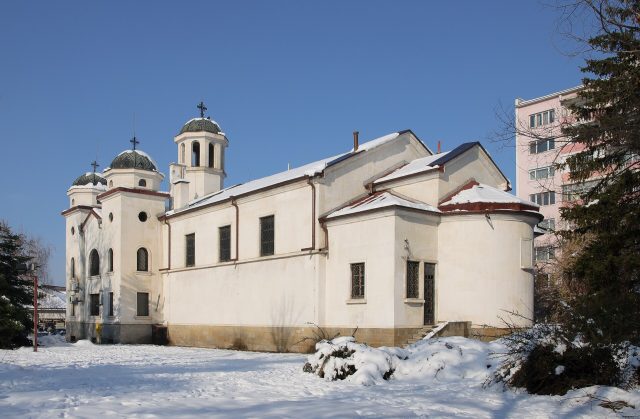
The building that houses the museum is worth mentioning in its own right. Constructed in the late 1800s, it was originally designed to serve as a courthouse, a function it fulfilled for decades before being repurposed as a museum in the latter half of the 20th century. The architecture is unassuming yet elegant, with high ceilings, large windows, and a layout that guides visitors through the exhibits in a way that feels natural rather than forced. The restoration work done to preserve the building has been careful and respectful, ensuring that its original character remains intact. There’s a certain symmetry to the fact that a place once dedicated to the administration of justice now serves as a keeper of the town’s collective memory.
What makes the History Museum in Târgoviște particularly engaging is its ability to connect the past with the present. The exhibits are not just static displays; they invite visitors to think about how the events and people of earlier centuries have shaped the town as it exists today. For instance, the section on the Ottoman period doesn’t just focus on conflict but also highlights the cultural exchanges that took place, from architecture to cuisine, which continue to influence life in Târgoviște. Similarly, the exhibits on the 20th century draw parallels between the challenges faced by previous generations and those of the modern era, whether it’s economic hardship, political upheaval, or the struggle to preserve cultural identity.
The museum also serves as a cultural hub for the town, hosting temporary exhibitions, lectures, and educational programs that engage both locals and visitors. These events often focus on lesser-known aspects of Târgoviște’s history, such as the role of women in the town’s development or the stories of its ethnic and religious communities. By doing so, the museum fosters a sense of continuity, reminding people that history is not something confined to the past but a living, evolving narrative. It’s not uncommon to see school groups wandering through the halls, their curiosity piqued by the stories unfolding before them, or older residents pointing out familiar names and places to their grandchildren.
Visiting the History Museum in Târgoviște is more than just a walk through a collection of artifacts; it’s an opportunity to step into the layers of time that have defined this town. Whether you’re drawn by the medieval history, the stories of Vlad the Impaler, or the more recent past, the museum offers a thoughtful and immersive experience. It doesn’t overwhelm with grandeur or spectacle but instead invites reflection, making it a place where history feels personal and alive. For anyone passing through Târgoviște, it’s a reminder that even in a town that has seen its share of upheavals, the past is never truly gone—it’s just waiting to be rediscovered.