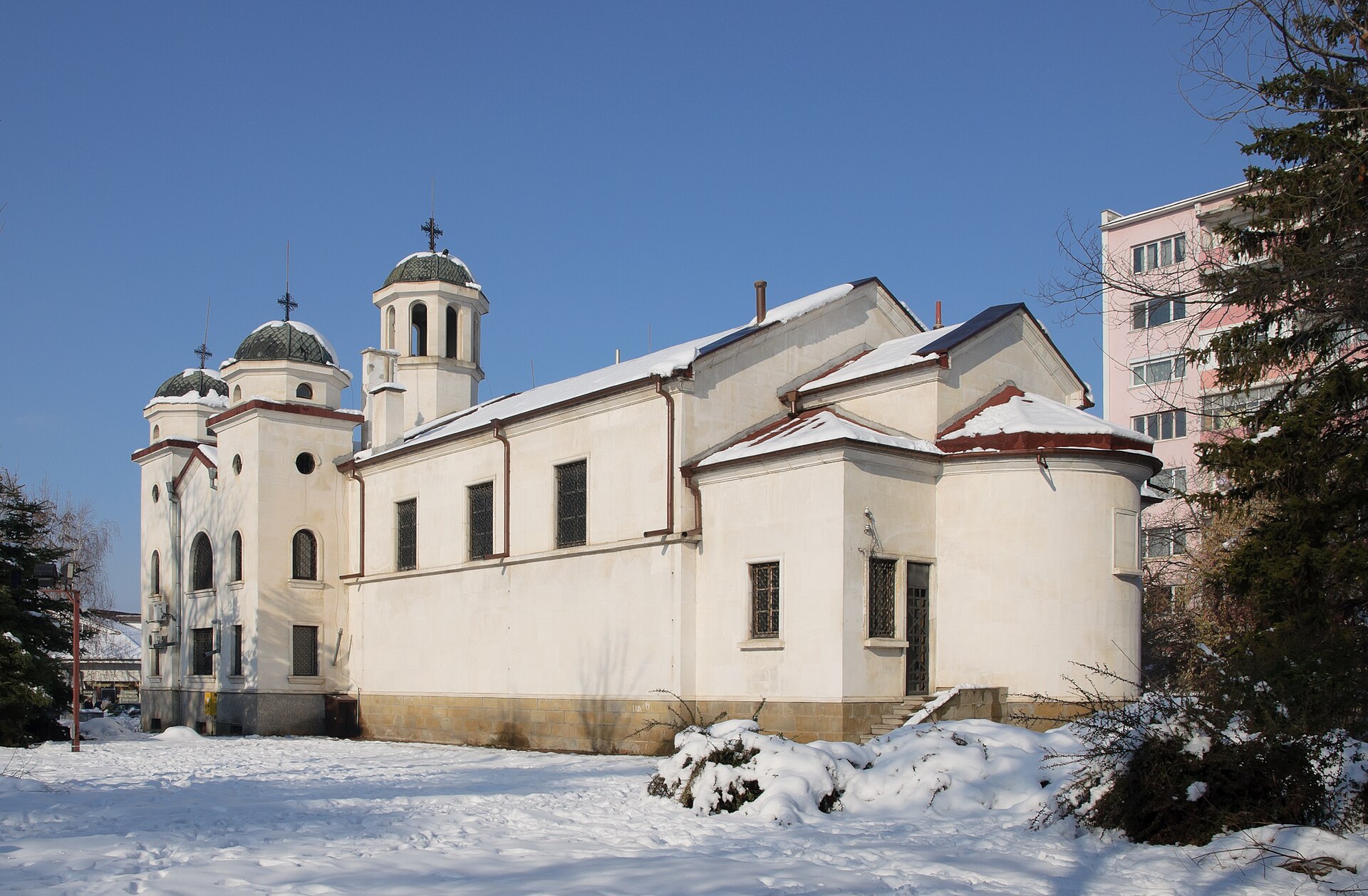
The Church of St. Ivan of Rila in Târgoviște is one of those quiet places that doesn’t demand attention but lingers in the mind long after you’ve left. Tucked away in the older part of the city, it stands apart from the usual tourist paths, where the pace of life feels slower, almost suspended. The building itself is unassuming—modest in size, with clean lines and simple details. There are no grand frescoes or gilded domes here, no overwhelming sense of spectacle. Instead, what strikes you is its authenticity, a quality that’s often lost in places burdened by too much history.
The church is dedicated to St. Ivan of Rila, Bulgaria’s patron saint, a hermit whose life and legacy are deeply woven into the country’s spiritual identity. His relics, kept in the Rila Monastery, are a symbol of Bulgarian Orthodoxy, and he is revered as a protector and guide. While the church in Târgoviște may not share the fame of Rila, it carries a piece of that same tradition. Built in the late 19th century, it emerged during a time when Bulgaria was reclaiming its statehood after centuries of Ottoman rule. In that era, churches were more than places of worship—they became centers of national revival, where faith and identity intertwined.
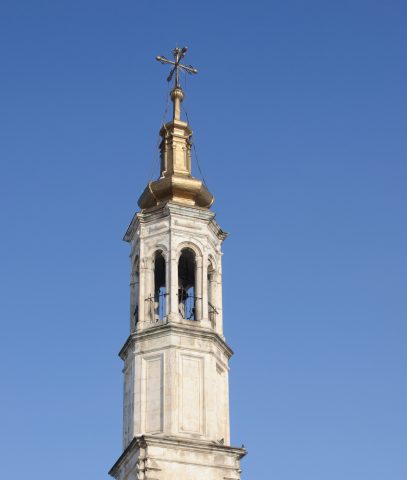
Architecturally, the church reflects the late Bulgarian National Revival period, blending traditional forms with newer influences. Its design leans toward the Neo-Byzantine style, with the characteristic rounded arches and restrained ornamentation. The facade is adorned with subtle stucco work, and the bell tower, added later, gives the structure a sense of completeness. Inside, the space is small but bright and welcoming, with a wooden iconostasis likely crafted by local artisans. The icons aren’t lavish, but each one bears the marks of careful, sincere devotion—a quiet beauty in its own right.
Târgoviște itself is a city with layers of history, though it rarely appears on tourist itineraries. During the Middle Ages, it was a thriving commercial hub, and under the Second Bulgarian Empire, it even minted its own coins. Later, under Ottoman rule, it remained an important trading post but lost its political significance. The Church of St. Ivan of Rila arrived in a different era, when Bulgaria was forging its independence, and it became one of the symbols of that rebirth. It wasn’t the city’s main church—that role belonged to the Dormition Cathedral—but smaller churches like this one shaped the spiritual fabric of provincial life.
Today, the church remains active, though it doesn’t draw many visitors. For locals, it’s a place of quiet reverence. On Sundays, the congregation gathers, prayers fill the air, and on feast days, the scent of incense mingles with the glow of candles. On weekdays, it’s peaceful, a place where you can sit on a wooden bench, study the old icons, or simply listen to the silence. That’s the charm of such places—they don’t ask for much, just a moment of attention and respect for the stories they hold.
The surrounding neighborhood is worth exploring, too. Old Târgoviște is a maze of narrow streets where traditional houses with carved wooden balconies stand alongside more recent buildings. There are no crowds here, just the unhurried rhythm of provincial life. Nearby, the old market still bustles with vendors selling local produce, and small cafes serve up classics like banitsa and tarator. The city doesn’t try to be a tourist hotspot, and that’s part of its appeal.
This isn’t a place you visit to check off a list or snap a dramatic photo. It’s for those who appreciate understated beauty and see history not in grand monuments but in the quiet persistence of everyday life. There are no legendary battles or famous figures tied to this church, just the quiet testimony of the people who built it, prayed here, and kept its doors open over the years. Often, it’s these unassuming places that offer the most honest glimpse into the past.