Nestled in the quiet village of Sokolinoye, deep in the Crimean mountains, the Museum of History and Ethnography of the Crimean Tatars feels like a place where time moves differently. The surrounding valleys and forested slopes have long been home to this land’s indigenous people, and the museum stands as a quiet guardian of their story—a story that stretches back centuries and continues to unfold today.
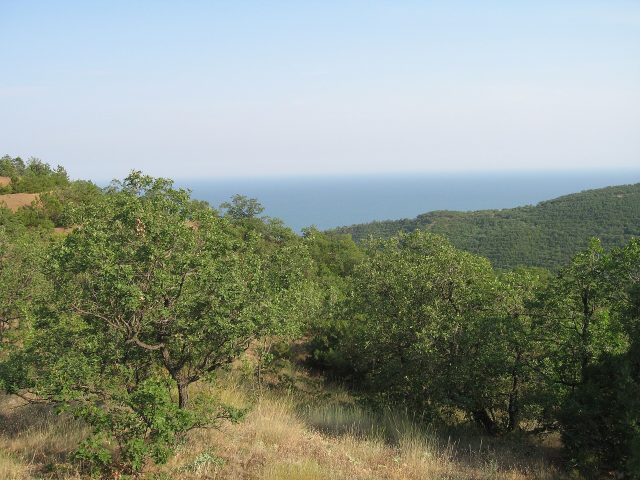
Sokolinoye itself is part of that narrative. Tucked along the Kokkozka River, the village has always been a refuge, its remote location shielding traditions that might have faded elsewhere. For generations, Crimean Tatars lived here in harmony with the landscape, shaping their culture around the rhythms of the mountains and the changing seasons. The museum captures that connection, offering a glimpse into a way of life that has endured despite upheaval.
The exhibits trace the arc of Crimean Tatar history, from medieval times to the present. Visitors can see everyday objects—handwoven textiles, intricately carved wooden tools, delicate jewelry—that reveal the skill and artistry of a people who turned necessity into craft. There are displays on traditional trades like pottery, metalwork, and embroidery, where each piece tells a story of patience and passed-down knowledge. These aren’t just artifacts; they’re fragments of a living culture, preserved with care.
A significant portion of the museum is devoted to the 20th century, a period marked by both tragedy and resilience. The deportation of 1944, when the entire Crimean Tatar population was forcibly removed from their homeland, is documented through photographs, personal letters, and belongings of those who lived through it. The exhibits don’t shy away from the pain of that era, but they also highlight the return of the Crimean Tatars in the late 1980s and early 1990s, their struggle to reclaim their rights, and the slow revival of their language, music, and customs.
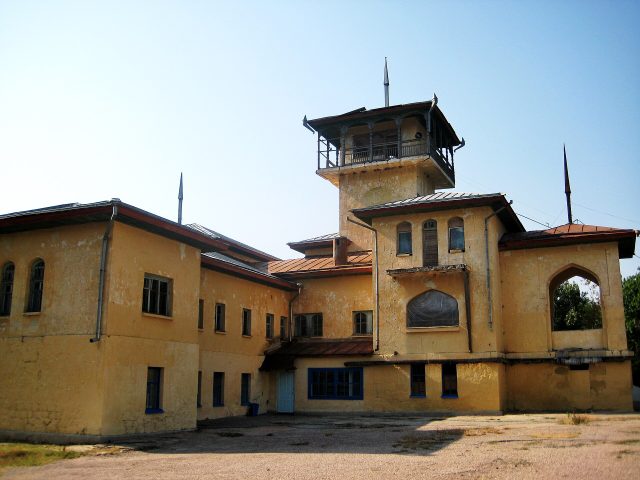
The museum building itself is a testament to tradition. Designed in the style of a classic Crimean Tatar home, it features wooden balconies, latticed shutters, and an inner courtyard—elements that were once common in villages across the peninsula. Such architecture is increasingly rare, making the museum not just a repository of history but a living example of how heritage can be preserved in form as well as spirit.
Beyond the exhibits, the museum is a place of connection. Workshops on traditional crafts, like embroidery or pottery, invite visitors to try their hand at skills that have been honed over generations. Occasionally, there are performances of folk music or poetry readings in the Crimean Tatar language, offering a chance to hear the rhythms and cadences of a culture that has survived against the odds. These events aren’t just for tourists; they’re a way for the community to keep its traditions alive.
For locals, the museum is more than a tourist attraction. It’s a gathering place where elders share memories, where discussions about preserving heritage take place, and where schoolchildren learn about their roots. For many Crimean Tatars, it’s a symbol of homecoming—a tangible sign that their culture, once suppressed, is being reclaimed and celebrated.
Visiting the museum isn’t just about seeing objects behind glass. It’s about stepping into a story that’s still being written. The quiet of Sokolinoye, the scent of pine from the surrounding forests, the way the light filters through the courtyard—all of it adds to the sense of being somewhere timeless. Here, history isn’t just something to read about; it’s something you can feel in the air.
If you find yourself in this part of Crimea, away from the crowded coastal resorts, the museum offers a different kind of experience. It’s a reminder that culture isn’t just about grand monuments or famous landmarks. Sometimes, it’s about the small, everyday things—the way a piece of embroidery carries the touch of its maker, or how a song can bridge generations. In a world that often moves too fast, places like this invite you to slow down and listen.