The Yusupov Hunting Lodge in Falcon Lake is one of those rare places where history isn’t confined to glass display cases or guided tours—it lingers in the air, in the creak of floorboards, in the way the light falls through tall windows onto worn wooden floors. Built in the late 19th century for the Yusupov family, one of Russia’s wealthiest and most influential noble dynasties, the lodge was never meant to be a grand palace. Instead, it served as a retreat, a place where the rhythms of nature dictated the pace of life rather than the demands of high society. Nestled in the Crimean mountains, far from the opulent estates of the southern coast, it stands as a quiet testament to a different kind of aristocratic life—one that valued solitude, the hunt, and the slow passage of time over gilded ballrooms and lavish receptions.
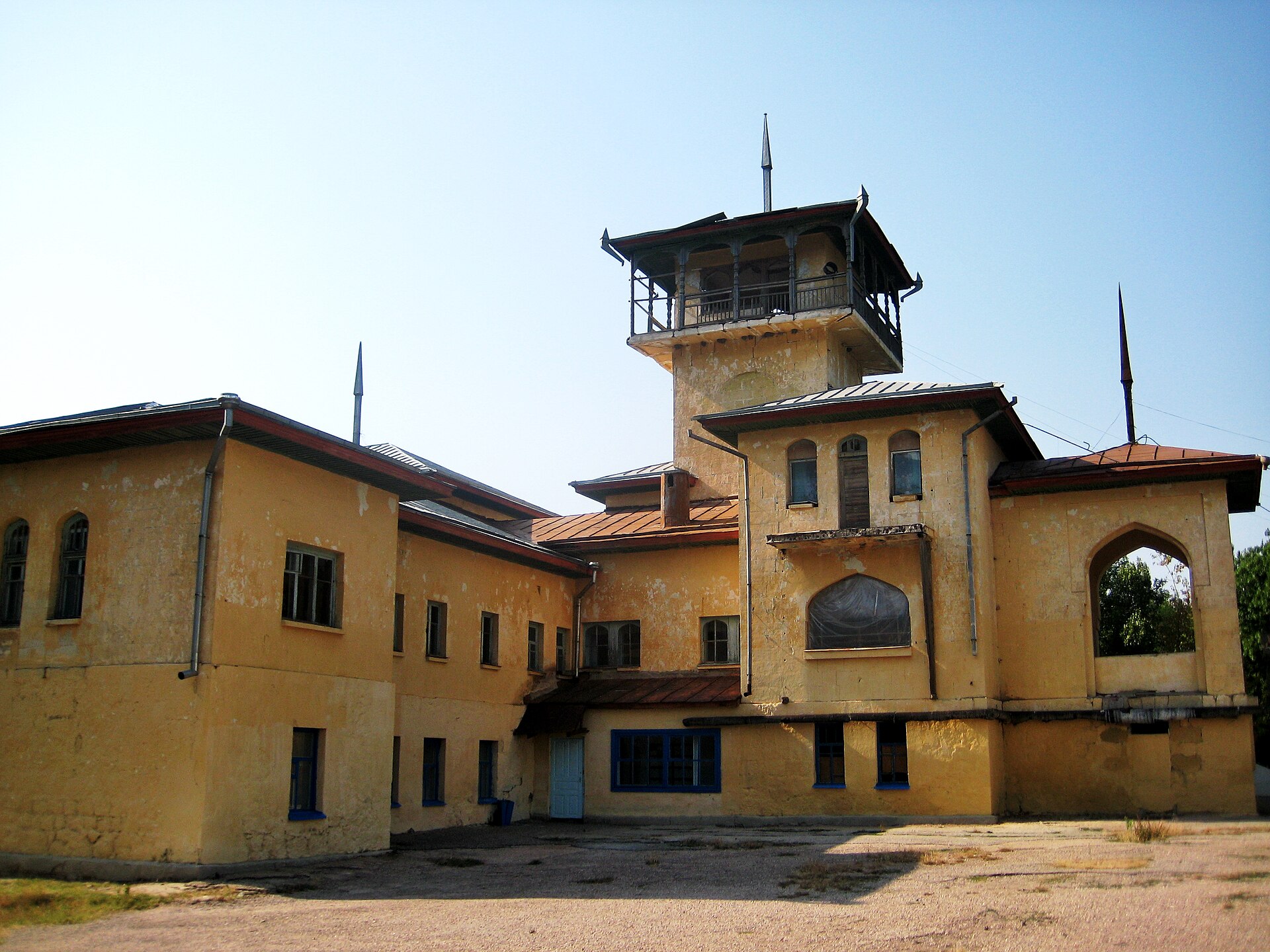
The architecture of the lodge reflects this understated elegance. Designed in the late Russian neoclassical style with subtle Art Nouveau touches, it avoids ostentation without sacrificing character. The façade is adorned with delicate stucco work, its details refined but unobtrusive, while large windows frame the surrounding forest like living paintings. Inside, the layout is practical yet graceful: high ceilings, spacious rooms, and a central staircase of dark wood that winds upward with a sense of purpose. There are no marble halls or gold-leafed ceilings here—just the warmth of wood, the crackle of fireplaces, and the kind of comfort that comes from a home built for living, not for show. The lodge was designed to blend into its surroundings, not dominate them, and that harmony is still palpable today.
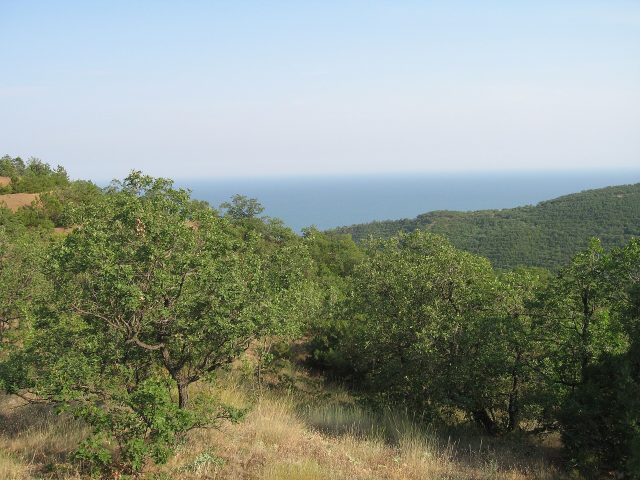
For the Yusupovs, who owned vast estates across Crimea, this lodge held a special place. Unlike their more famous residences, such as the lavish palace in Koreiz, this was a private sanctuary, tucked away in the foothills where the mountains begin to soften into dense forests. The family used it as a base for hunting expeditions, a gathering place for close friends from St. Petersburg and Moscow, and occasionally, a refuge from the pressures of imperial court life. The estate once included a sprawling park with carefully planned alleys and exotic trees, though nature has since reclaimed much of it. What remains are a few winding paths, ancient oaks, and the occasional glimpse of deer or wild boar—reminders of the wilderness that drew the Yusupovs here in the first place.
The lodge’s history mirrors the turbulent fate of Crimea itself. After the revolution, it passed through various hands, serving as an administrative building, a sanatorium, and even a school before falling into disrepair. Decades of neglect took their toll, but in recent years, restoration efforts have begun to peel back the layers of time. Today, visitors can see rooms brought back to life with period furniture, tiled stoves, and restored fireplaces. Yet the true magic of the place isn’t in the meticulously recreated interiors—it’s in the intangible sense of continuity. The lodge feels lived-in, not like a museum exhibit but like a home that has simply paused, waiting for its inhabitants to return.
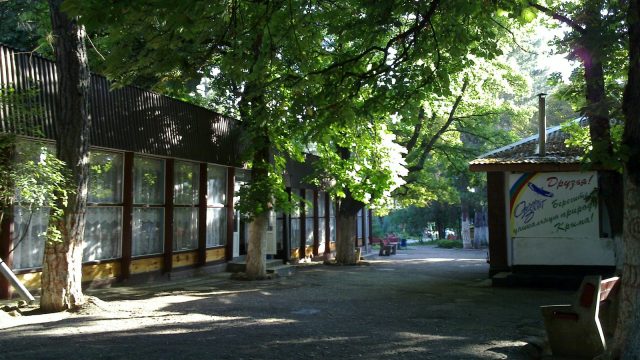
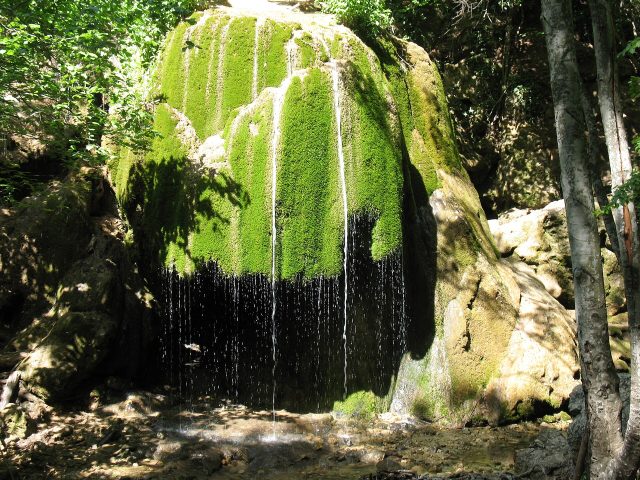
Falcon Lake itself is a world apart from the tourist hubs of Crimea. There are no crowded beaches, no souvenir stalls, no nightclubs—just a scattering of houses, a handful of small cafes, and the vast, quiet expanse of the mountains. The air is crisp and pine-scented, the pace of life unhurried. The Yusupov Lodge fits seamlessly into this landscape, as if it grew from the earth rather than being built upon it. It doesn’t demand attention; it invites contemplation. The surrounding forests, once the domain of noble hunts, are now home to foxes, hares, and the occasional eagle, their presence a quiet echo of the past.
Visiting the lodge is less about ticking off a landmark and more about stepping into a different era. There are no crowds here, no guided tours rushing you from room to room. You can wander at your own pace, imagining the clink of glasses in the dining hall, the murmur of conversation in the library, or the distant sound of hooves as a hunting party returned at dusk. Outside, the remnants of the old park offer a place to stroll, where the paths lead not to grand vistas but to small, unexpected discoveries—a centuries-old oak, a hidden bench, a view of the mountains through the trees. On a quiet morning, it’s easy to forget the outside world entirely.
What makes the Yusupov Hunting Lodge special is its lack of pretension. It doesn’t try to impress with scale or splendor; it simply exists, as it has for over a century, a silent witness to the changing fortunes of Crimea. The Yusupovs were a family of immense wealth and power, yet this lodge was never about displaying that wealth. It was about escape, about the simple pleasures of a fire in the hearth, a good book, and the knowledge that beyond the windows lay a landscape untouched by time. In an age where so many historic sites feel like stage sets, the lodge retains an authenticity that’s increasingly rare.
Today, the lodge is open to visitors, though it’s not the kind of place that draws busloads of tourists. There are no flashy exhibits or interactive displays—just the building itself, its history, and the stories it holds. It’s a place for those who appreciate the quiet beauty of the past, who understand that some of the most meaningful experiences come not from grandeur but from connection. The lodge doesn’t ask for admiration; it offers something far more valuable—a moment of stillness, a chance to listen to the whispers of history, and a reminder that sometimes, the most extraordinary places are the ones that don’t try to be.