St. George the Victory-Bearer Church in the village of Sokolinoe is one of those rare places that seem untouched by time. Tucked away in the foothills of Crimea, where the mountains gradually give way to valleys, the village is small and quiet, far from the resort towns that draw most visitors to the peninsula. The air here carries the scent of wild herbs and pine, and the church stands as a silent witness to centuries of local life—a reminder that Crimea’s history isn’t just about ancient ruins and medieval fortresses, but also about the modest, enduring landmarks of rural communities.
Built in the late 19th century, when Crimea was already part of the Russian Empire and the southern coast was becoming a retreat for the aristocracy, Sokolinoe remained a backwater. Life here moved at its own unhurried pace, shaped by the rhythms of nature and the church calendar. The church was funded by local residents and worshippers from neighboring villages. Its architecture is typical of late Russian provincial design—whitewashed walls, a tall bell tower, and a small dome that was once covered in tin but now likely painted the traditional blue of Orthodox churches.
The interior is small, with an iconostasis painted by local craftsmen. Wooden benches are worn smooth by generations, and old icons in silver frames hang on the walls. Oil lamps cast a soft glow. During the Soviet era, the church was closed but not entirely destroyed—local residents preserved it. After the collapse of the USSR, it was returned to the faithful, though services are now held only on major holidays. On other days, the doors remain open for those who wish to light a candle or sit in quiet reflection.
St. George the Victory-Bearer holds a special place in the church’s history. In Crimea, this saint is particularly revered, as local legend claims he performed one of his miracles here, slaying a dragon. For the villagers, St. George is a symbol of strength, hope, and resilience. There’s a story that during World War II, when German forces occupied Crimea, the church survived, as if the saint himself had shielded it. Such tales reflect the deep faith of people for whom the church was never just a building, but a living part of their world.
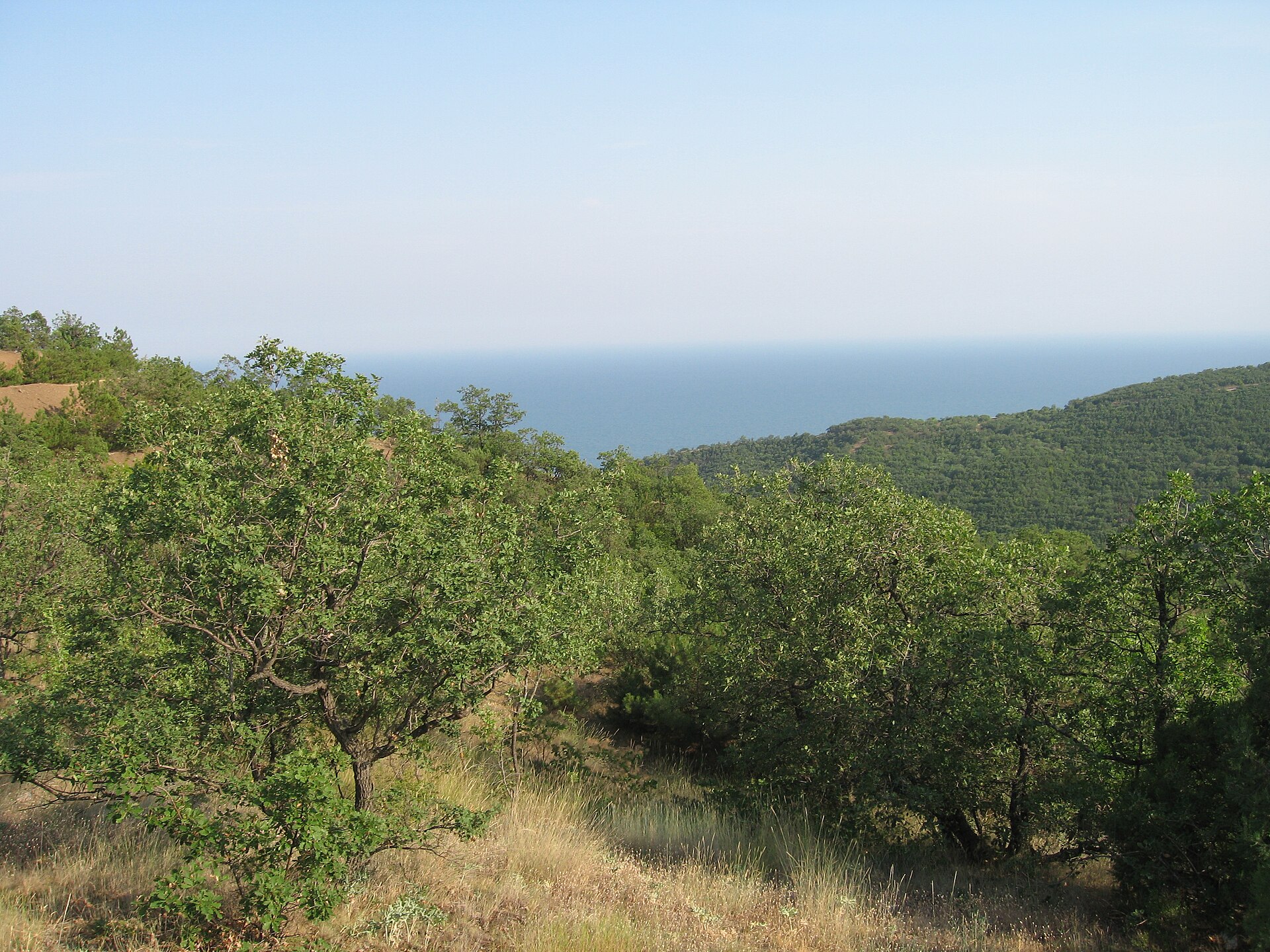
Today, Sokolinoe isn’t a tourist hotspot, and the church isn’t on any must-see lists. It draws those who seek quiet, who want to see Crimea beyond the postcard images. The road to the village winds through rolling hills, offering glimpses of vineyards clinging to slopes, ancient oak trees, and the white walls of the church emerging from the greenery. Perched on a small rise, the church offers a view of the valley below, where distant mountains fade into the horizon and the rooftops of houses peek through the trees.
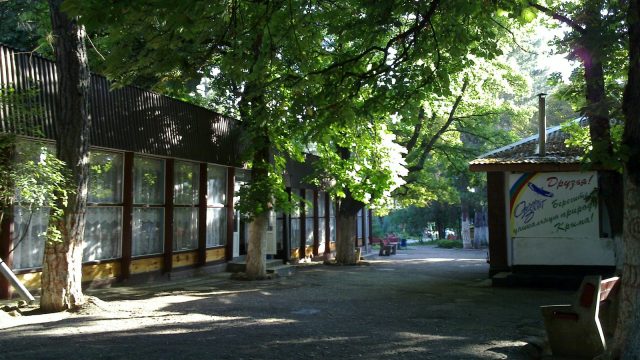
The best time to visit is early morning or late afternoon, when the light casts long shadows that highlight the details of the architecture. Old linden trees grow around the church, their shade offering a cool respite. You can sit on a bench, listening to the rustle of leaves and the distant chime of the bell. If you’re lucky, you might encounter locals who come here to talk, share news, or remember those who have passed.
In places like this, time moves differently. Even a brief visit can leave you with the sense of having touched something real and enduring.
St. George’s Church isn’t a museum piece. There are no crowds of tourists, no souvenir stalls—just the church, the village, and the people for whom it remains a focal point. It exists with its understated beauty and unassuming significance. In an age where everything strives to be bold, such corners of the world are becoming rare.