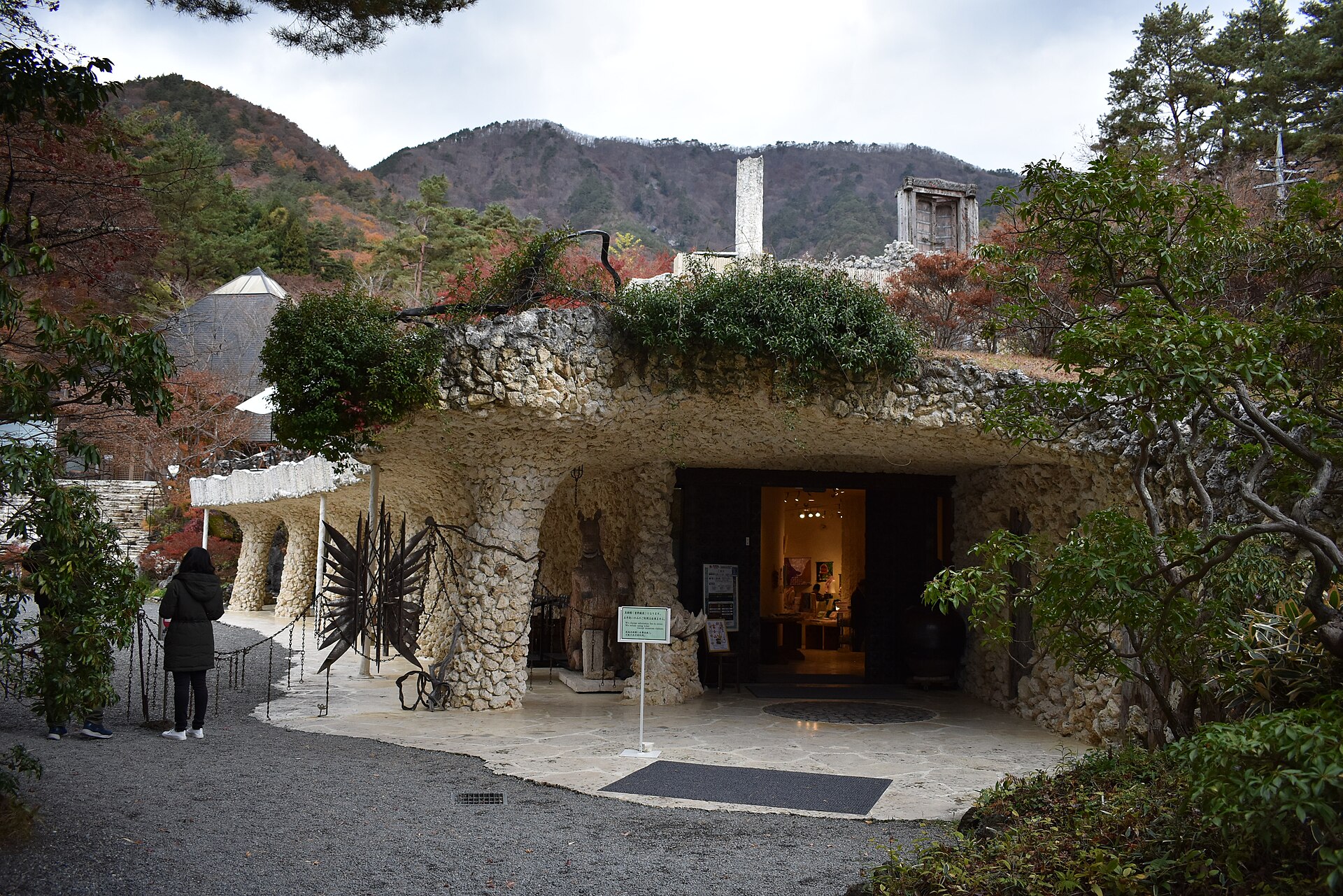
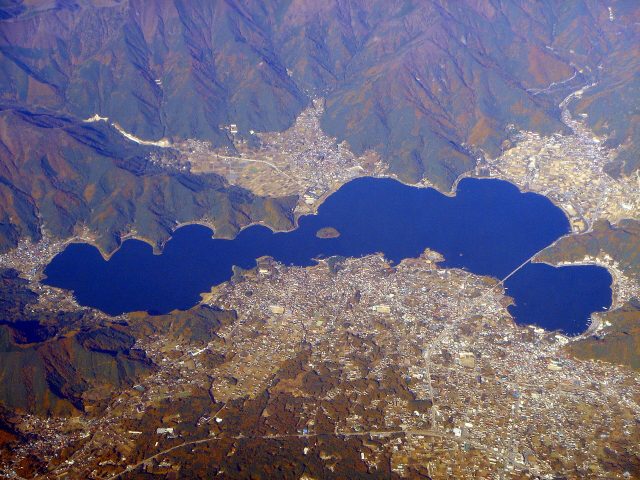
Perched on the shores of Lake Kawaguchi, with Mount Fuji rising in the distance, the Itchiku Kubota Art Museum feels less like a gallery and more like a quiet conversation between art and the natural world. The building itself is a study in restraint, its clean lines and expansive windows dissolving the boundary between the exhibits inside and the landscape beyond. There’s no grand entrance, no bustling crowds—just the stillness of the water, the shifting light on the mountain, and the sense that the art here is not confined to frames but woven into the very air.
The museum owes its existence to Itchiku Kubota, a painter and collector whose life’s work was shaped by a deep reverence for Japan’s landscapes, particularly those that framed Mount Fuji. Kubota didn’t just admire the mountain; he spent decades capturing its moods—the way mist clung to its slopes at dawn, how snow softened its silhouette in winter, the fleeting glow of sunset on its face. His own paintings, often rendered in muted tones, sought to distill not just the physical presence of a scene but its essence, the quiet pulse beneath the surface. After his death, the museum became a kind of living archive of his vision, a place where his dialogue with nature could continue.
The collection spans centuries and styles, though every piece shares a common thread: an unshakable connection to the land. Classical ukiyo-e prints hang alongside modern interpretations, each offering a different perspective on Fuji—sometimes bold and graphic, other times delicate, almost ephemeral. Kubota’s own works hold a special place here, their soft washes of color inviting viewers to linger, to notice the way a brushstroke can suggest the weight of snow or the shimmer of water. The arrangement of the exhibits resists strict chronology, instead encouraging a kind of visual echo, where a 19th-century print might resonate with a contemporary painting in unexpected ways.
The architecture of the museum is as deliberate as the art it houses. Designed to embrace the surrounding landscape, the building uses natural light and sweeping views to blur the line between inside and out. Floor-to-ceiling windows frame Lake Kawaguchi and Mount Fuji like living paintings, their shifting hues reflected in the polished floors and neutral walls. The materials—wood, stone, glass—are chosen for their simplicity, ensuring that nothing competes with the art or the views beyond. Even the way the galleries flow into one another feels intentional, as if the space itself is guiding you from one moment of quiet reflection to the next.
A visit here is less about ticking off exhibits and more about settling into a rhythm. There are no guided tours rushing you along, no crowds pressing in. Instead, the only sounds are the occasional creak of the wooden floor underfoot or the distant call of a bird outside. It’s the kind of place where you might stand for minutes at a window, watching the light change on the lake, then turn to find the same scene captured in a painting nearby. That interplay—between the real and the rendered, the fleeting and the fixed—is what makes the museum feel alive.
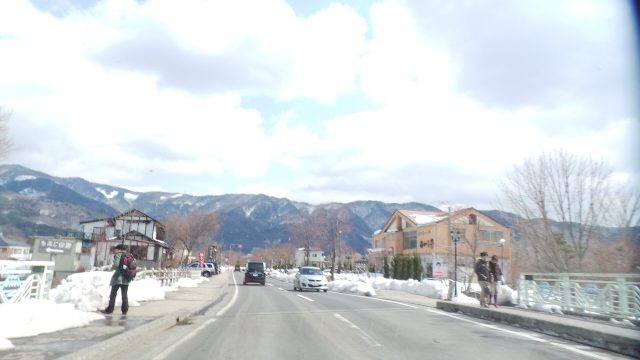
For many, the journey to Itchiku Kubota is as much a part of the experience as the museum itself. Tucked away from the busier tourist routes around Fuji, it’s accessible only by car or bus, which lends it an air of quiet exclusivity. The surrounding area is just as understated: narrow paths wind through the forest to the lake’s edge, where the same views that inspired generations of artists stretch out before you. After wandering the galleries, it’s natural to step outside, to walk those paths and see the landscape anew, as if through Kubota’s eyes.
What lingers after a visit isn’t just the memory of individual paintings but the sense of having stepped into a slower, more deliberate way of seeing. The museum doesn’t demand attention; it offers it, gently, like a hand extended in invitation. You might spend an hour here or an entire afternoon, moving from one piece to the next, then pausing at a window to let the view settle in. In a world that often feels like it’s moving too fast, places like this remind you that some things—art, nature, the quiet act of looking—are worth savoring.