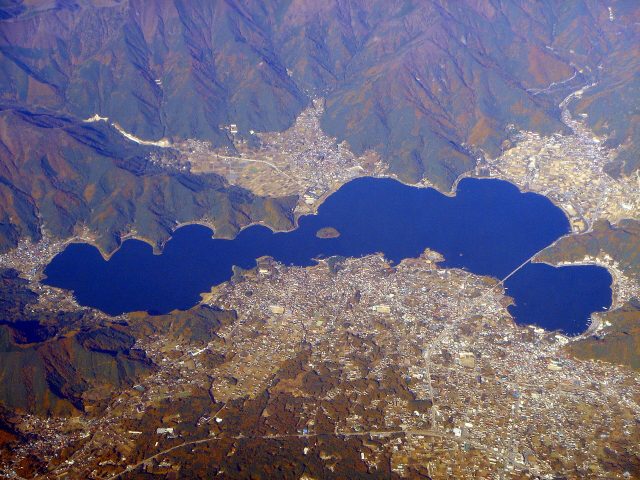
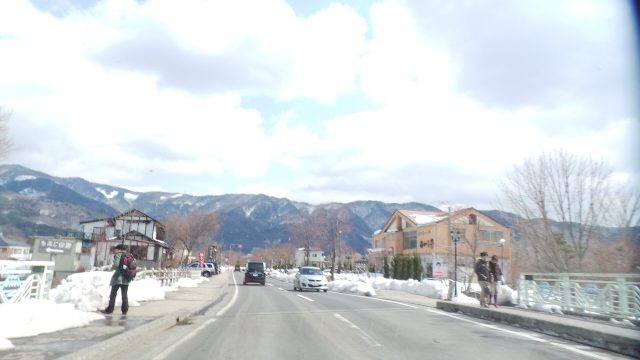
Lake Kawaguchiko Flower Park is one of those rare places where nature and human care come together in quiet harmony. Nestled at the foot of Mount Fuji, it feels like a world apart from the rush of modern life—a place where time slows, and every step reveals something new. There’s no city noise here, just open meadows, carefully tended lawns, and fields of flowers that shift with the seasons, offering a different kind of beauty each time you visit.
The park’s history is tied to Lake Kawaguchi, one of the five famous Fuji lakes. Decades ago, this land was used for farming, with local families growing vegetables and fruit. But as tourism in the region grew, it became clear that the area’s natural scenery had a special appeal. By the mid-20th century, the first flower beds began to appear, and over time, greenhouses and themed gardens took shape. Today, the park covers a vast area, and its seasonal transformations are part of what makes it so compelling. Spring brings tulips and cherry blossoms, summer fills the fields with lavender and sunflowers, autumn paints the landscape in chrysanthemums and maple leaves, and even winter has its own charm with camellias and cold-resistant roses.
The park’s design is understated, and that’s what makes it work. There are no grand structures or flashy buildings—just simple wooden bridges, winding paths, and small pavilions that invite you to pause and take in the view. The greenhouses are a highlight, offering a glimpse of exotic plants even in colder months. One is dedicated to tropical flowers, another to cacti and succulents, and a third hosts rotating seasonal displays. Together, they create the sense that the park is alive year-round, always changing yet always welcoming.
The real magic of Lake Kawaguchiko Flower Park, though, is its connection to Mount Fuji. The mountain isn’t just a backdrop—it’s part of the landscape, its snow-capped peak reflecting in the lake on clear days. Even when clouds obscure the summit, the park doesn’t lose its appeal. The flowers, the trees, and the water all have their own quiet beauty, especially in the early morning when mist rises over the lake and the first light softens the scene.
Beyond the gardens, the park offers a few small cafés where you can sip green tea or try local sweets, as well as shops selling handmade crafts. In summer, open-air festivals and concerts bring the space to life, while winter light displays transform it into something almost magical. There are play areas for children, spots to feed the ducks by the lake, and plenty of space to simply wander. It’s not just a place to walk through—it’s a place to spend time, whether alone or with others.
What makes the park truly special is how it changes with the seasons. In spring, cherry blossoms draw crowds of photographers and hanami enthusiasts, all eager to capture the delicate pink petals against Fuji’s slopes. Summer turns the fields into a sea of lavender and sunflowers, while autumn blankets the ground in golden maple leaves. Even in winter, when most plants are dormant, there are pockets of green and bursts of color from winter-blooming flowers. Each visit feels different, which is why so many people return.
Despite its popularity, the park never feels crowded. There’s always room to find a quiet corner or to stroll without rushing. The paths are laid out so you can wander for hours without retracing your steps, and information boards offer details about the plants if you’re curious. If you’re lucky, you might spot butterflies, birds, or even the occasional fox wandering in from the nearby woods.
More than anything, Lake Kawaguchiko Flower Park is a place where nature does the talking. You don’t need a guide or a map to understand why it’s loved by both locals and visitors. Just walking the paths, breathing in the scent of flowers, and letting the surroundings sink in is enough. It’s not a place for hurried sightseeing—it’s a place to slow down, to notice the small things, and to let the moment linger. That’s why it stays with you long after you leave.