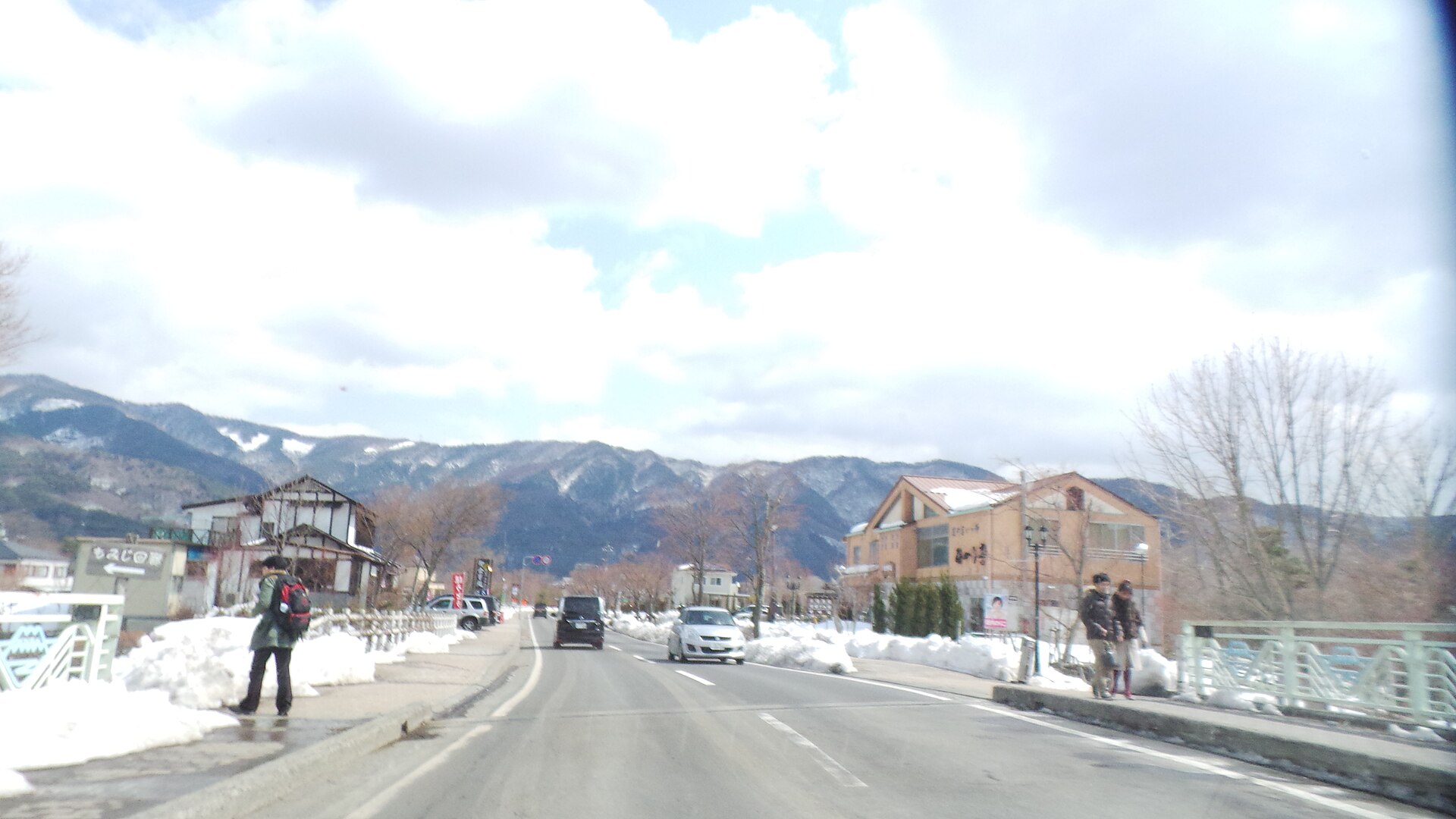
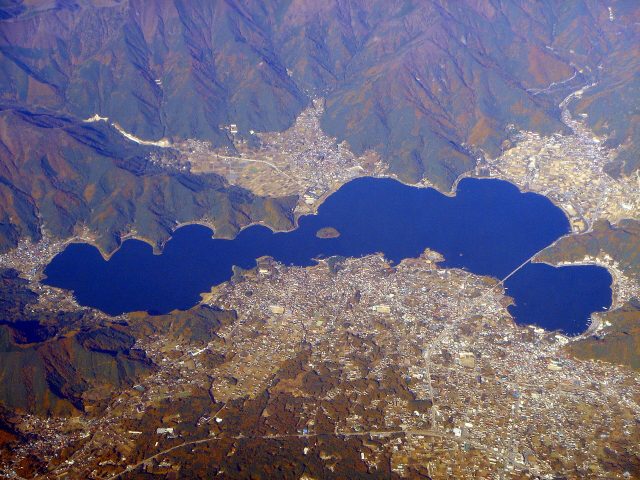
Nestled along the shores of Lake Kawaguchi, where the still waters reflect the distant silhouette of Mount Fuji, the Itchiku Kubota Art Museum offers a quiet retreat into the world of textile art. This isn’t a place for mass-produced dolls or fleeting trends. Instead, it preserves the work of a man who spent decades perfecting a craft that blends tradition with personal expression, creating figures that feel almost alive in their stillness.
Itchiku Kubota began his journey in the mid-20th century, a time when Japan was rapidly modernizing, and many traditional arts were fading into obscurity. While others turned toward industrial methods, Kubota remained devoted to the painstaking techniques of dyeing and textile work. He drew inspiration from *tsujigahana*, an ancient Japanese resist-dyeing method, but adapted it in ways that were entirely his own. The result was a style marked by vibrant colors, intricate patterns, and an almost painterly depth—each piece a small universe of texture and meaning.
The museum itself is designed to let the work breathe. The building is airy and uncluttered, with large windows that bathe the exhibits in natural light. There’s no rush here, no crowds pressing in. Visitors can take their time moving from one display to the next, studying the way Kubota layered fabrics, the precision of his stitching, and the subtle expressions he coaxed from his figures. Alongside the dolls, sketches and tools are displayed, offering a glimpse into the meticulous process behind each creation. It’s clear how much care went into even the smallest details—a fold of fabric, the tilt of a head, the way a sleeve drapes just so.
Some of Kubota’s most striking pieces depict characters from *Noh* and *Kabuki* theater. These aren’t mere costumes draped over mannequins; they’re portraits of emotion, capturing the essence of a role in a single gesture. A *Noh* actor’s mask-like face might convey centuries of sorrow, while a *Kabuki* performer’s dynamic pose hints at the drama unfolding beyond the frame. Other works focus on everyday life—farmers in simple robes, children at play, artisans at work—each one telling a story without words. There’s a warmth to these figures, a sense that Kubota saw beauty in ordinary moments.
The museum also hosts temporary exhibitions, often highlighting lesser-known aspects of Kubota’s work or the pieces of his students. These rotating displays provide a reason to return, offering new perspectives on a body of work that feels both timeless and deeply personal. The space is small enough to feel intimate, yet expansive enough to lose yourself in for hours. There’s no audio guide blaring, no flashing screens—just the quiet hum of thought as you move from one display to the next.
Beyond the museum’s walls, Lake Kawaguchi offers its own kind of tranquility. The lake is one of the most accessible of the Fuji Five Lakes, and on clear days, the mountain looms over the water like a silent guardian. Many visitors come for the view alone, but the museum adds another layer to the experience. It’s a reminder that Japan’s beauty isn’t just in its landscapes, but in the hands of those who shape its culture—whether through brushstrokes, fabric, or the quiet act of preserving what might otherwise be forgotten.
Kubota passed away in the early 2000s, but his legacy endures in these rooms. The museum doesn’t just display his work; it tells the story of a man who refused to let tradition disappear in the rush toward the new. There’s no grand spectacle here, no attempt to dazzle with scale or technology. Instead, it’s a place of reflection, where the past feels present in every stitch and fold. For those who seek out Japan’s artistic soul, it’s a revelation. For others, it might simply be a moment of stillness in a world that moves too fast. Either way, it lingers long after you’ve left.