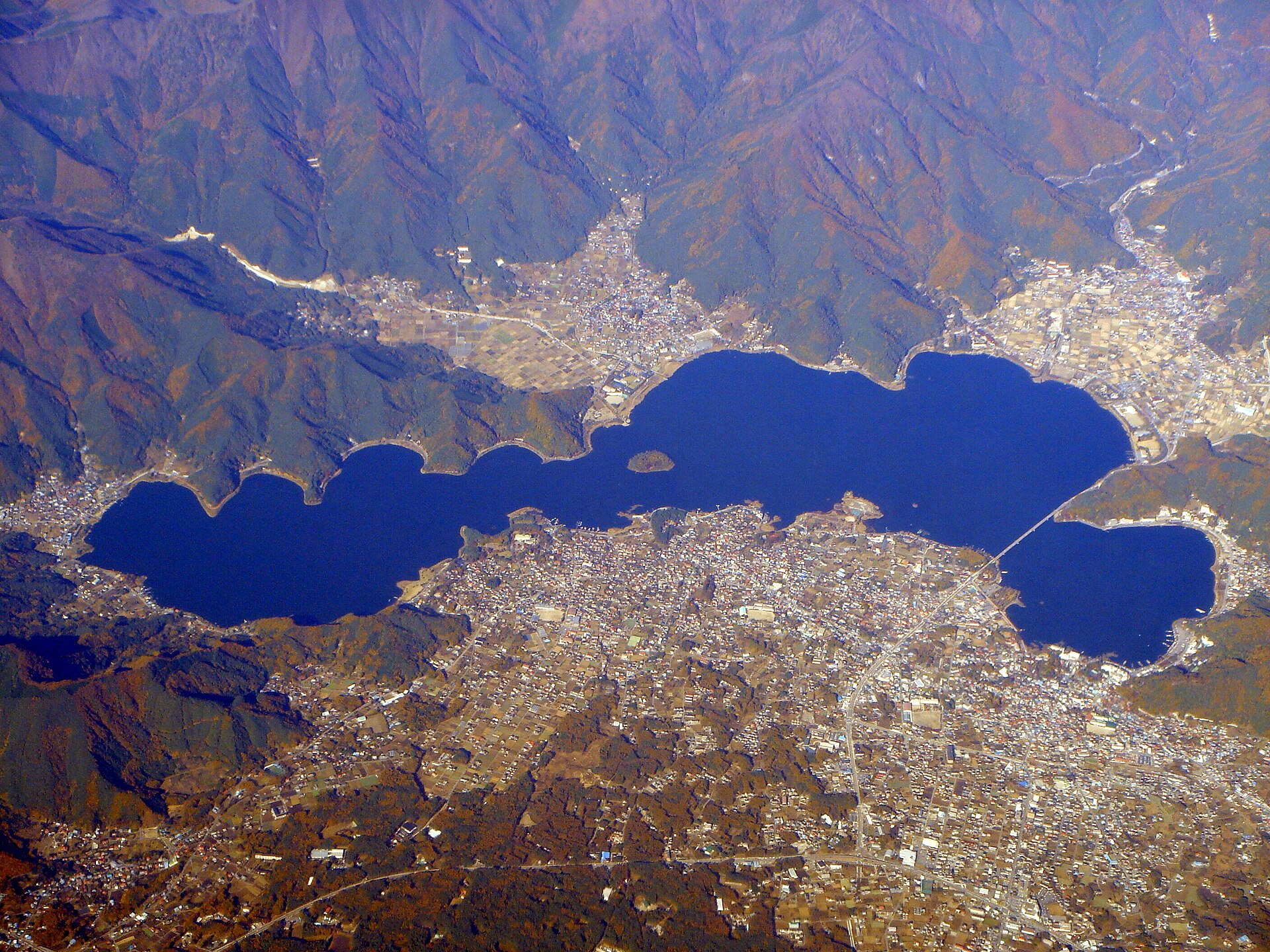
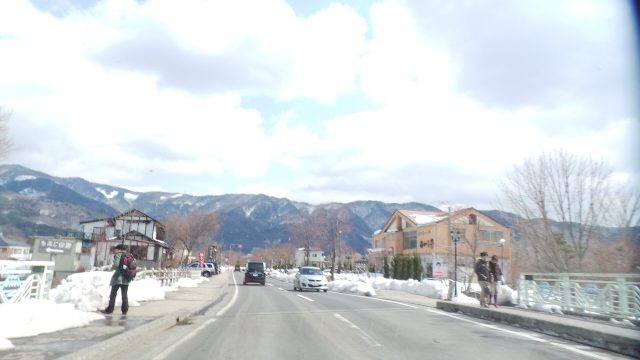
Lake Kawaguchi sits quietly on the northern slopes of Mount Fuji, a place where the mountain’s presence feels both constant and ever-changing. It’s the most accessible of the five Fuji lakes, a natural mirror that has drawn travelers for over a century—not just for the view, but for the way the light plays across the water, shifting with the seasons and the time of day. In the early morning, when the air is crisp and still, the reflection of Fuji can be so sharp it seems to float above the surface, while in the afternoon, mist often softens the edges, turning the scene into something almost dreamlike.
The lake formed thousands of years ago, when lava flows from one of Fuji’s eruptions dammed a river, creating a basin that slowly filled with water. The result is a body of water that’s unusually clear, its surface taking on different hues—deep blue in the midday sun, silver under a clouded sky, or even a faint green when the surrounding forests cast their shadows. The water stays cold year-round, too chilly for swimming, but that hasn’t stopped people from finding other ways to enjoy it. Fishing is popular here, with trout, carp, and eel drawn to the lake’s depths, though the best catches come in spring and autumn. For those who prefer to stay dry, small boats can be rented at the docks, offering a quiet way to drift across the water while keeping Fuji in sight.
Walking the perimeter of Lake Kawaguchi is a slow, rewarding experience. The trail stretches about twenty kilometers, winding along the shoreline before climbing gently into the hills, where the view of the mountain opens up in unexpected ways. The western shore is particularly striking, where Fuji’s slopes drop almost vertically into the water, their rocky edges softened by pine trees. The path isn’t strenuous, but it’s long enough that most people break it into sections, stopping at one of the lakeside cafés or benches to rest. There’s no rush—the best moments here often come when you pause, whether to watch a heron take flight or to listen to the water lapping against the shore.
Kawaguchiko, the small town on the lake’s eastern shore, has grown up around this quiet beauty. It’s not a place of neon lights or crowded streets, but rather a collection of low-slung inns, family-run restaurants, and shops selling local crafts. The town’s history as a retreat for foreign visitors dates back to the late 1800s, when Japan first opened to the outside world. Artists and photographers were among the first to arrive, capturing the lake and mountain in woodblock prints and early photographs—some of which still hang in the town’s small museums. Today, the pace remains unhurried, with just enough amenities to make a stay comfortable without overwhelming the landscape.
One of the simplest pleasures in Kawaguchiko is taking the ropeway up Mount Tenjo. The ride lasts only a few minutes, but the view from the top is worth the trip—the lake spreads out below like a sheet of glass, with Fuji rising in the distance. On clear days, the perspective makes the mountain feel closer, its slopes more defined. Back in town, the streets are lined with shops selling chestnut sweets, a local specialty, and handmade ceramics. The food here leans toward simple, seasonal dishes, often featuring freshwater fish from the lake or vegetables grown in the surrounding farms.
Autumn transforms the area into a blaze of color, as the maple and ginkgo trees along the shore turn shades of red and gold. Photographers flock here in October and November, drawn by the contrast between the fiery foliage and Fuji’s snow-capped peak. Winter brings a different kind of beauty—the lake rarely freezes completely, but frost often coats the reeds along the shore, and in the early morning, mist rises from the water like steam. Even in the colder months, the hot springs scattered around the area offer a warm respite, with some baths overlooking the lake and mountain.
Beyond the lake itself, the region offers plenty of reasons to linger. Hiking trails wind through the nearby hills, leading to viewpoints where Fuji appears framed by trees or reflected in smaller ponds. There are also quiet temples tucked into the forests, their wooden gates weathered by time. For those who want to explore further, the Fuji Five Lakes region is connected by buses and local trains, making it easy to visit the other lakes or venture into the highlands.
What makes Lake Kawaguchi special isn’t just the view of Fuji, but the way the place encourages you to slow down. There are no grand attractions here, no crowds jostling for the best photo spot. Instead, there’s the steady rhythm of the water, the occasional call of a bird, and the sense that time moves differently when you’re standing at the edge of a lake with a mountain looming in the distance. Whether you come for a day or stay for a week, the lake has a way of making you forget the rush of the outside world—if only for a little while.