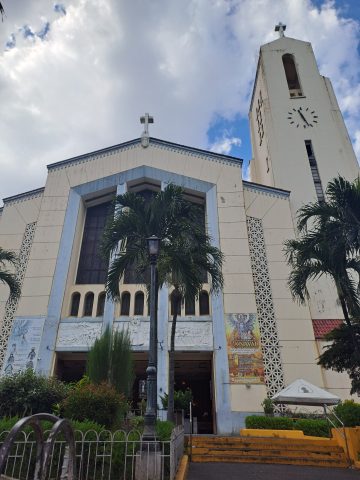
Intramuros, the historic heart of Manila, is a place where the past lingers in every corner. The Intramuros Administration Museum, often simply called the Intramuros Museum, stands as a quiet witness to the layers of history that have shaped this walled city. Housed in a restored colonial building near Fort Santiago, the museum doesn’t just display artifacts—it tells the story of a place that has been a political center, a battleground, and a home to generations of Filipinos.
The building itself is part of the narrative. Originally constructed in the late 19th century, it served as the headquarters of the Spanish colonial government’s military engineers. The architecture reflects the practical yet elegant style of the period, with thick stone walls, high ceilings, and large windows that once allowed breezes to cool the interiors. After years of neglect, the structure was carefully restored to house the museum, preserving its original character while adapting it for modern use. Walking through its halls, you can almost hear the echoes of the past—the clatter of boots on stone floors, the murmur of official business, the occasional laughter of soldiers off duty.
The museum’s exhibits are arranged to guide visitors through Intramuros’ evolution, from its founding in the 16th century to its near-destruction in World War II and its eventual revival. One of the most striking displays is a scale model of the walled city at its height, showing the intricate layout of streets, churches, and government buildings that once defined Manila’s core. Nearby, maps and illustrations depict how the city changed under Spanish rule, with fortifications expanding to defend against pirates and rival colonial powers. There’s a sense of resilience in these exhibits—Intramuros was repeatedly damaged by earthquakes, fires, and wars, yet it was always rebuilt, each time reflecting the priorities of the era.
A significant portion of the museum is dedicated to the Spanish colonial period, when Intramuros was the seat of power in the Philippines. Artifacts like religious icons, military uniforms, and everyday objects offer a glimpse into the lives of both the ruling class and ordinary citizens. One exhibit focuses on the role of the Catholic Church, which was deeply intertwined with colonial governance. Intramuros was home to several major churches, including Manila Cathedral and San Agustin Church, and the museum explores how religion shaped daily life, from education to social hierarchies. There’s a certain irony in seeing the opulence of the colonial elite contrasted with the simplicity of the tools used by laborers who built the city—an unspoken reminder of the inequalities that defined the era.
The museum also doesn’t shy away from the darker chapters of Intramuros’ history. During World War II, the walled city became a battleground as Japanese forces occupied Manila. The exhibits include photographs and personal accounts of the devastation, with entire neighborhoods reduced to rubble. One particularly moving display features the stories of civilians who survived the war, their lives forever changed by the conflict. The museum doesn’t glorify war but presents it as a turning point—after 1945, Intramuros was no longer the unchallenged center of power in the Philippines, and its reconstruction became a symbol of national recovery.
Beyond the historical artifacts, the museum captures the atmosphere of Intramuros as it exists today. The walled city is no longer the political hub it once was, but it remains a place where history feels alive. The exhibits include contemporary photographs of the area, showing how it has been preserved as a cultural and educational space. There’s a sense of continuity here—while the world outside has modernized rapidly, Intramuros retains a slower, more reflective pace. The museum itself is part of that effort, offering visitors a chance to step back in time without losing sight of the present.
One of the most interesting aspects of the museum is how it connects Intramuros to the broader story of the Philippines. The exhibits don’t treat the walled city as an isolated relic but show how its history intersects with national events. For example, the museum touches on the Philippine Revolution, when Intramuros became a target for Filipino revolutionaries seeking to end Spanish rule. Later, during the American colonial period, the city’s role shifted again as new institutions were established and old ones adapted. These transitions are presented not as dry historical facts but as part of a living narrative, one that continues to evolve.
Visiting the Intramuros Museum is less about ticking off a list of exhibits and more about immersing yourself in the rhythm of the place. The building’s cool, shaded interiors provide a respite from the heat outside, and the layout encourages slow exploration. There’s no rush here—just the quiet invitation to reflect on how the past shapes the present. Whether you’re a history enthusiast or simply curious about Manila’s roots, the museum offers a way to understand Intramuros beyond its tourist attractions. It’s a reminder that this walled city is more than just a collection of old buildings; it’s a testament to the people who built, defended, and rebuilt it over centuries.