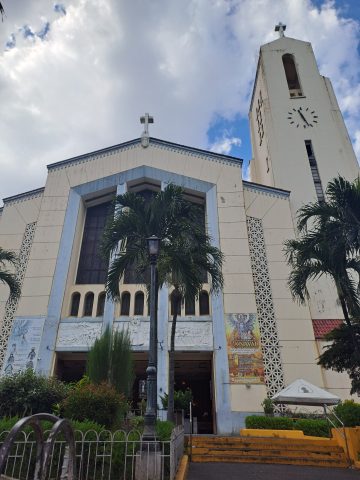
Standing in the heart of Intramuros, Manila’s historic walled city, San Agustin Church feels like a place where time moves differently. Built in the late 16th century, it has witnessed the rise and fall of empires, the chaos of wars, and the quiet resilience of a nation. The church has survived fires, earthquakes, and invasions, each time emerging with its grandeur intact, as if defying the very forces that sought to erase it. Its walls hold stories of faith, power, and survival, etched into the stone by centuries of history.
The architecture of San Agustin is a testament to the blending of Spanish colonial design with the realities of life in the Philippines. The church was built in the Baroque style, but with adaptations that reflect the local climate and seismic activity. Thick walls of volcanic tuff, sturdy buttresses, and soaring vaults were not just aesthetic choices—they were necessities in a land prone to typhoons and tremors. Inside, the opulence of the design unfolds: a carved wooden altarpiece, frescoed ceilings, and confessionals inlaid with mother-of-pearl. The 18th-century pipe organ, one of the oldest in the country, still fills the space with music during services, its notes echoing through the centuries.
Beyond its role as a place of worship, San Agustin has been a cornerstone of public life in Manila. During the Spanish colonial period, it was where local leaders were crowned, alliances were forged, and justice was administered. In the 18th century, when the British briefly occupied Manila, the church was turned into a fortress, its cellars repurposed as prison cells. Decades later, during World War II, it became a refuge for thousands fleeing the devastation of war. The building has absorbed the voices of those who sought solace within its walls—prayers whispered in hope, cries of despair, and the steady rhythm of rain on its tiled roof.
Today, San Agustin remains an active parish, but its significance extends far beyond its religious function. As part of the UNESCO-listed historic ensemble of Intramuros, it draws visitors from around the world. Unlike many tourist sites, it retains a sense of quiet dignity. The noise of the city fades at its threshold, replaced by an atmosphere of reverence. The church doesn’t feel like a relic; it feels alive, as if the past and present coexist within its walls.
Adjacent to the church, the former monastery now houses a museum that offers a deeper look into the Philippines’ colonial history. The collection includes religious art, antique maps, and documents that trace the evolution of the country under Spanish rule. One of the most compelling exhibits focuses on Filipino Baroque, a style that emerged from the fusion of European traditions and local craftsmanship. Walking through the monastery’s halls, with their creaking wooden floors and cool stone walls, it’s easy to imagine the lives of the monks who once inhabited the space or the travelers who passed through centuries ago.
San Agustin is more than just a monument—it’s a living part of the community. Locals still gather here for mass, weddings, and baptisms, treating the church with the same care they would a family heirloom. On feast days, the air is thick with the scent of incense and the sound of hymns, while the façade is adorned with flowers. Even on ordinary days, the church has a quiet beauty, whether bathed in the soft light of dawn or illuminated by lanterns at dusk. It feels timeless, as if plucked from the pages of an old chronicle.
For visitors to Manila, San Agustin offers a chance to connect with the deeper layers of Filipino history. The Philippines is often associated with its beaches and resorts, but this church reminds us of the country’s rich and complex past. Here, you can sense the weight of centuries—the struggles, the triumphs, and the enduring spirit of a people shaped by colonization, conflict, and resilience. Intramuros may be just a small part of the vast Philippine archipelago, but within the walls of San Agustin, the threads of history converge, offering a glimpse into the soul of the nation.