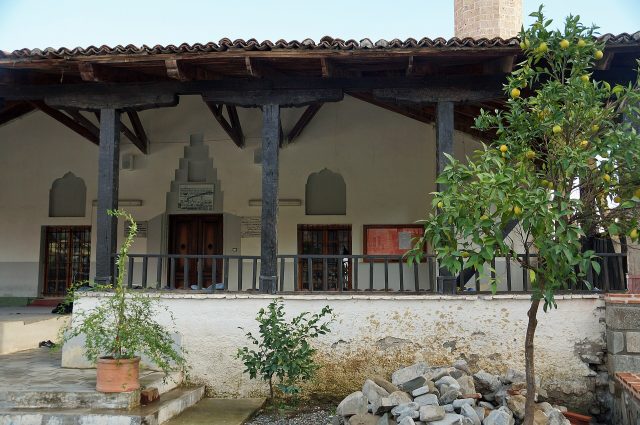
Elbasan’s Ethnographic Museum is one of those quiet places where the past doesn’t just sit behind glass—it breathes. Housed in an 18th-century Ottoman mansion, the building itself is part of the story, its thick wooden beams and carved ceilings whispering of a time when life moved to the rhythm of seasons and traditions. The museum doesn’t overwhelm with grand displays; instead, it invites you to step into the everyday lives of Albanians across generations, where even the simplest objects carry weight.
Elbasan has always been a crossroads. Founded by the Ottomans in the 16th century atop an older settlement, the city absorbed influences from the Balkans, the Mediterranean, and beyond. The museum reflects this blend, especially in its collection of traditional clothing. The vibrant embroidery of the north contrasts with the darker, more subdued tones of the south, while headpieces adorned with coins or beads hint at regional identities, marital status, or even personal temperament. These aren’t just costumes—they’re silent narratives of people who wore them, their social standing woven into every stitch.
The heart of the museum lies in its recreation of domestic life. A low hearth where bread was baked, copper coffee pots worn smooth by use, wooden mortars for grinding grain—these objects might seem unremarkable, but they were the backbone of Albanian households. One room is set up like a traditional kitchen, with clay dishes stacked on shelves and bunches of dried herbs hanging from the ceiling. Nearby, a loom stands as a testament to the craftsmanship of women who wove not just fabric, but family histories into their patterns. Each village had its own motifs, passed down like heirlooms, and the museum preserves these variations with care.
Elbasan was once known for its skilled artisans, and the museum dedicates a section to the trades that shaped the city. Jewelers, blacksmiths, and potters left their mark here, and their tools—hammered anvils, molds for casting metal, spinning pottery wheels—are displayed alongside their creations. Silverwork holds a special place in Albanian culture, seen not just as adornment but as protection, a tangible link to prosperity and safety. The museum’s collection includes intricate jewelry worn by both men and women, as well as coins that once circulated in local markets and ornately engraved weapons, their blades telling stories of craftsmanship and conflict.
What makes this museum different is its refusal to treat tradition as something frozen in time. It acknowledges how customs evolve, showing, for instance, how modern Albanian weddings still incorporate ancient rituals. A display of bridal attire sits beside photographs of contemporary ceremonies, where old and new coexist—veils embroidered with traditional patterns paired with modern suits, or folk dances performed alongside more recent music. Religious festivals, too, get their due, despite Albania’s complicated history with faith. Even during decades of state-enforced atheism, many traditions endured, and the museum traces their resilience.
The building itself is a character in this story. A classic example of Ottoman urban architecture, it was designed for both comfort and status, with high ceilings, airy rooms, and a central courtyard where a fountain once murmured. These homes belonged to merchants and officials, their interiors meant to impress—though today, the focus is less on opulence and more on the lives that unfolded within these walls. Walking through the rooms, it’s easy to imagine the clatter of dishes during a family meal or the murmur of conversation over coffee, the scent of spices lingering in the air.
Elbasan isn’t a city that draws crowds like Tirana or Berat, but its history is just as layered. It was a hub of the Albanian National Awakening in the 19th century and later became an industrial center under communism. Now, it’s a place where time moves slowly, where the past isn’t just remembered but lived. The museum isn’t just a tourist stop; it’s part of the city’s pulse. Schoolchildren visit on field trips, local artisans study the old techniques, and the occasional traveler leaves with more than photos—they carry a sense of connection to the people who shaped this land.
What lingers after a visit isn’t the grandeur of the exhibits but their intimacy. A chipped clay bowl, a child’s embroidered cap, a silver bracelet worn thin by years of use—these objects feel like fragments of real lives. The museum doesn’t try to dazzle; it simply preserves, quietly insisting that history isn’t just about kings and battles but about the quiet, persistent rhythms of daily existence. In a country where the past is often overshadowed by more famous neighbors, Elbasan’s Ethnographic Museum offers something rare: a chance to listen.