The KwaZulu-Natal Museum of Natural History in Durban is one of those rare places where time seems to pause, giving way to quiet fascination. It’s not just a collection of exhibits—it’s a space where nature, science, and history intertwine to tell the story of a world that existed long before us and continues to evolve. Housed in a building that carries its own sense of the past, the museum blends the grandeur of 19th-century European institutions with a distinctly local character. Thick stone walls, high ceilings, and large windows create an atmosphere that feels both timeless and inviting.
Founded in the late 1800s, the museum began as a repository for curiosities and scientific discoveries brought back by explorers and researchers from across Africa. Over the decades, its collections expanded, and today it holds thousands of specimens—from fossils to taxidermy, minerals to ethnographic artifacts. The paleontology exhibits are particularly striking, featuring the bones of ancient reptiles, plant fossils, and even casts of dinosaur skeletons that once roamed these lands. For many visitors, these displays are the most memorable, offering a glimpse into a time when the continent looked entirely different.
One of the museum’s highlights is its exhibition on South African wildlife. Here, you’ll find not only familiar animals like lions, elephants, and rhinos but also rare and extinct species, such as the quagga—a subspecies of zebra hunted to extinction in the 19th century. The taxidermy is so meticulously done that the animals almost seem alive. The marine life section is equally impressive, with massive whale skeletons, sharks, turtles, and fish pulled from the waters off KwaZulu-Natal. These exhibits serve as a reminder of the rich biodiversity of the Indian Ocean, which has shaped the region’s natural history.
The ethnographic collection offers another layer of insight, showcasing the tools, weapons, jewelry, and ritual masks of the people who have lived in this region for centuries. The displays on Zulu culture—South Africa’s largest indigenous group—are especially compelling, illustrating their traditions, beliefs, and crafts. Reconstructed scenes of daily life, from hunting to ceremonial rituals, help visitors understand how communities adapted to the challenges of the savanna and forests, and how their ways of life changed with colonization and modernity.
Beyond static displays, the museum keeps its offerings dynamic with lectures, workshops, and temporary exhibitions on topics like conservation and scientific breakthroughs. In recent years, there’s been a strong focus on biodiversity and anti-poaching efforts. For younger visitors, interactive zones allow them to touch fossils, solve animal puzzles, or try their hand at a mock paleontological dig. These activities make the museum feel alive, transforming it from a mere archive into a place of discovery.
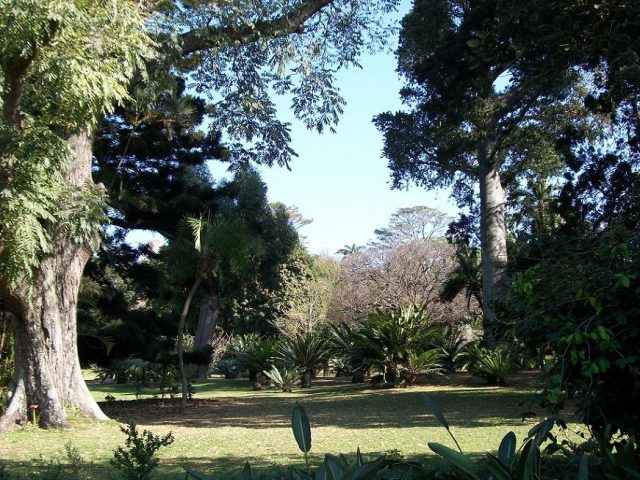
The building itself is worth admiring. Constructed in the early 20th century, it blends neoclassical and colonial architectural styles, giving it a stately yet approachable charm. Inner courtyards adorned with mosaics and sculptures provide a peaceful retreat, while the spacious galleries encourage leisurely exploration. The museum stays cool in summer and cozy in winter, making it a comfortable destination year-round. Just outside, a small botanical garden offers a quiet place to reflect after a visit.
For those with a deeper interest in the history of science, the museum’s archives and library hold rare books, maps, and the journals of early explorers. These materials include firsthand accounts of 18th- and 19th-century Africa, as well as scientific works by local researchers studying the region’s flora and fauna. While access is limited, serious scholars can arrange to study these unique resources.
A visit to the KwaZulu-Natal Museum of Natural History is more than just a tour—it’s an immersion into a world that feels both distant and intimately connected to the present. Here, you can trace the formation of South Africa’s landscapes, encounter the creatures that inhabited it millions of years ago, and learn about the people who lived here long before European arrival. The museum doesn’t just present facts; it invites reflection on how nature and human activity have shaped—and continue to shape—this part of the world. Perhaps its greatest strength is that it doesn’t provide all the answers but instead encourages visitors to ask their own questions about humanity’s place in a vast and fragile ecosystem.