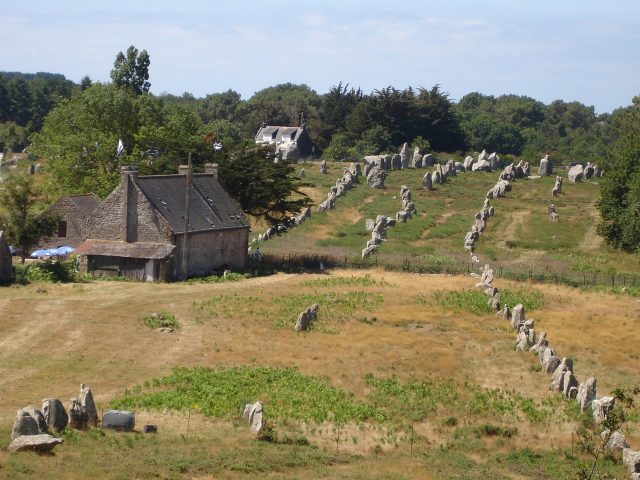
Carnac is a quiet town on the southern coast of Brittany, best known for its mysterious megalithic alignments—rows of ancient stones stretching across the landscape. But while those standing stones draw visitors from around the world, the Museum of Prehistory offers something different: a chance to understand not just what these monuments are, but why they exist. This isn’t a place for quick snapshots or superficial curiosity. It’s a space where the distant past feels strangely close, where the lives of people who walked this land thousands of years ago begin to take shape.
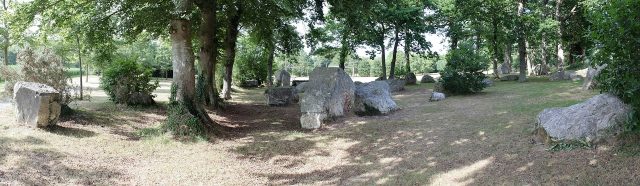
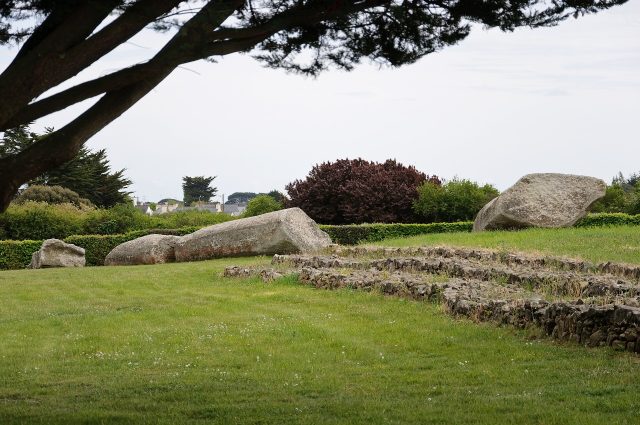
Housed in a building with its own layered history—a former 18th-century estate later used as a school—the museum holds artifacts that trace human presence in the region from the Paleolithic era through the Iron Age. The collection avoids overwhelming visitors with technical jargon or rigid timelines. Instead, it presents objects in a way that feels immediate: stone tools worn smooth by use, fragments of pottery, jewelry made from shells and bone, even reconstructions of ancient dwellings. Many of the items were found in the fields and forests around Carnac, where one of the world’s largest concentrations of megaliths still stands. The museum doesn’t claim to have all the answers about these stones—no one does—but it invites visitors to consider the possibilities: Were they astronomical markers? Sacred sites? Territorial boundaries? The exhibits suggest that their purpose was likely tied to the daily rhythms of Neolithic life, from farming to burial rituals.
What makes this museum unusual is its focus. Rather than attempting to cover all of prehistory in France, it narrows its scope to the local story—the land around the Quiberon Peninsula, where the sea meets the earth in a way that has shaped human activity for millennia. This approach gives the collection an intimacy that larger museums often lack. Walking through the galleries, you don’t just observe artifacts; you sense the presence of the people who made and used them. The space is unhurried, almost meditative. There are no crowds, no distractions—just the quiet weight of time.
The exhibits are organized thematically rather than chronologically, grouping objects by their role in ancient life: hunting, agriculture, death, art. This structure reveals how priorities shifted over generations. One room holds items linked to burial practices—stone axes placed in graves, urns containing ashes, ornaments worn by the deceased. Another displays tools that show how early communities adapted to their environment, from flint knives to early farming implements. The museum also explains why Brittany, and Carnac in particular, became a center for megalithic culture. The region’s abundance of granite was part of the reason, but so was its relative isolation. While other parts of Europe were swept up in the rise of early civilizations, this corner of Brittany remained on the margins, preserving traditions that elsewhere faded away.
For those who want to explore further, the museum offers guided walks through the surrounding countryside. These aren’t just tours of the famous stone alignments; they’re lessons in reading the landscape itself. Guides point out how the terrain has changed over thousands of years—how rising sea levels reshaped the coast, how forests gave way to fields, how the same paths used by Neolithic farmers are still walked today. Occasionally, the tours include visits to active archaeological digs, where visitors can see how discoveries are made and hypotheses tested. It’s a rare chance to witness history in the making.
Carnac’s Museum of Prehistory isn’t a place for spectacle. There are no flashy displays or virtual reality experiences. What it offers instead is something quieter, but perhaps more lasting: the opportunity to think deeply about the past. Visitors leave with the sense that they’ve touched something fundamental, not just a collection of old objects, but the enduring human impulse to leave a mark on the world. The stones outside the museum, still standing after all these centuries, serve as a reminder that the questions people asked then—about life, death, the cosmos—are the same ones we ask now.
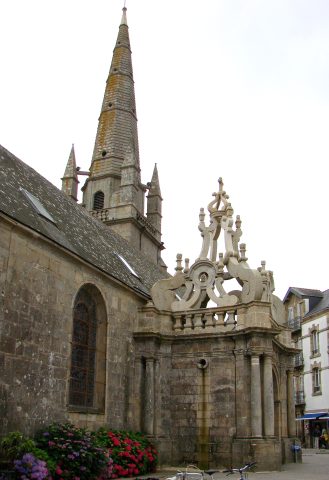
After leaving the museum, it’s worth spending time in Carnac itself. Unlike the more tourist-heavy towns along Brittany’s coast, this one moves at its own pace. There are no grand promenades or luxury resorts, just narrow streets lined with granite houses, the occasional scent of salt air drifting inland. If you’re lucky, you might stumble upon the local market, where vendors sell fresh seafood, artisanal cheeses, and the thin, buttery crêpes Brittany is known for. By evening, when the day-trippers have gone, the town settles into a rhythm that feels timeless—one that hasn’t changed all that much since the first stones were raised here.
The museum doesn’t try to compete with the drama of the megaliths outside. Instead, it complements them, filling in the gaps between the stones with stories of the people who placed them there. It’s a reminder that history isn’t just about grand monuments or famous names. Sometimes, it’s about the quiet, everyday things—the tools left behind, the fires that once burned, the hands that shaped the land. In Carnac, the past isn’t just remembered; it’s still here, waiting to be noticed.