The Carnac stones are one of those places that make you realize how little we truly understand about the past. Stretching across the quiet Breton countryside near the village of Carnac, these ancient megaliths form mysterious alignments that have stood for five or six thousand years. There are no grand pyramids or ornate temples here—just raw, unpolished stone arranged in vast, silent rows. Their simplicity is what makes them so striking. They feel like witnesses to forgotten ages, holding secrets that may never be uncovered.
No one knows for certain why these stones were placed here. Some believe they were part of an ancient observatory, others suggest they served as a site for rituals, and a few argue they functioned as a massive solar calendar. The most widely accepted theory is that they were connected to burial practices or sacred ceremonies, but even that doesn’t explain everything. Perhaps that’s part of their allure—the mystery leaves room for imagination. Each visitor can project their own meaning onto these silent sentinels.
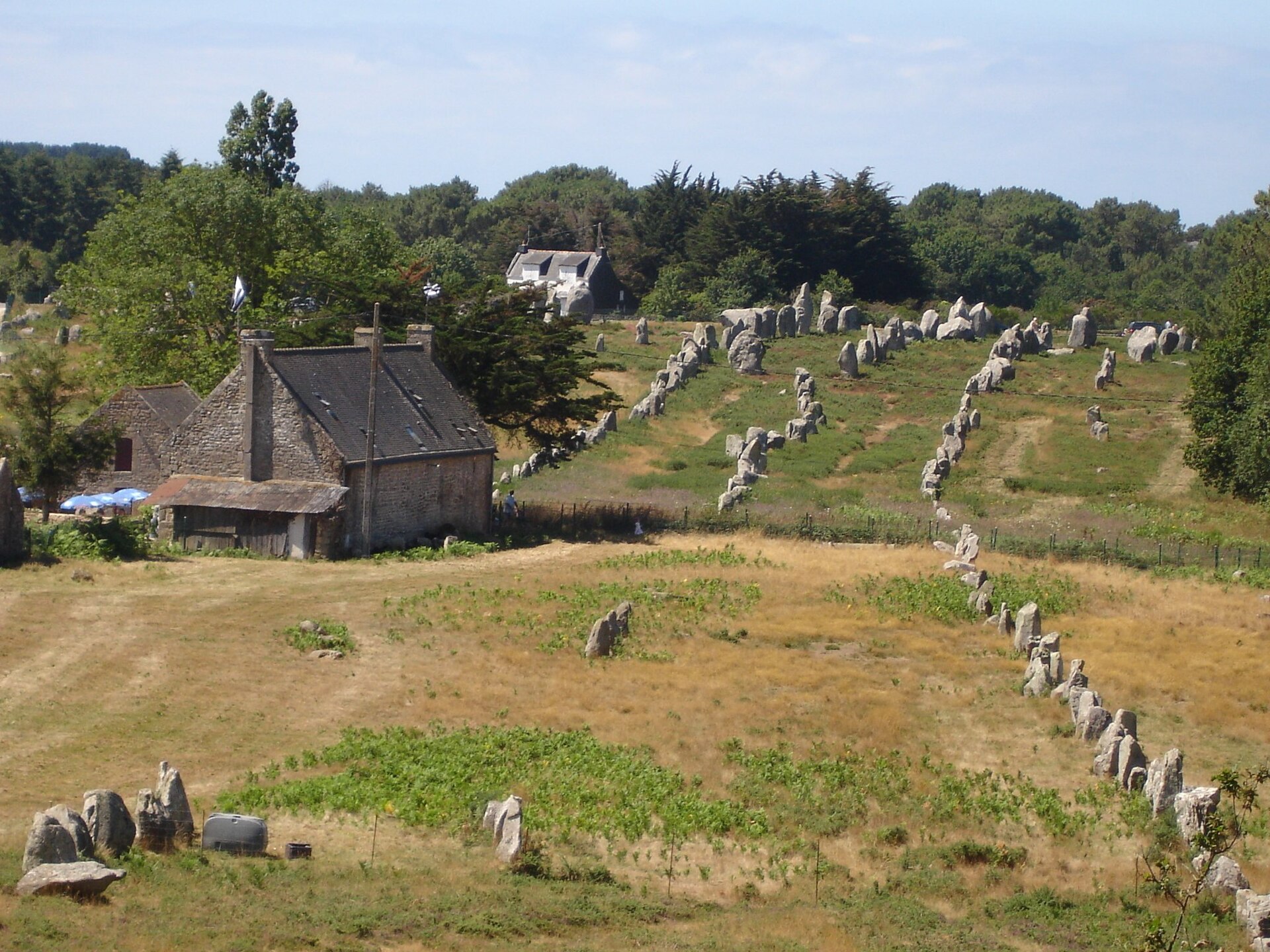
There are around three thousand stones in Carnac, divided into three main groups: Ménec, Kermario, and Kerlescan. The longest alignment, Ménec, stretches nearly a kilometer and consists of eleven rows of stones, their height gradually decreasing from east to west. Some stand over four meters tall, while others barely rise above the ground. They appear untouched by time, as if freshly unearthed, though they’ve been here for millennia. Weather has worn their edges smooth, but their presence remains unshaken.
What’s most fascinating is how deliberately the stones are arranged. They don’t stand randomly—they form precise lines, sometimes curving, sometimes fanning out. In places, the rows converge, creating the illusion of a labyrinth; in others, they open into wide clearings. Locals have long called them the "fairy rows" or "druids’ stones," tying them to ancient Celtic legends. In the Middle Ages, people believed they were warriors turned to stone as punishment for their sins.
Visiting the Carnac stones isn’t like touring a crowded landmark. There are no throngs of tourists here, just the quiet hum of the wind and the rustle of grass underfoot. You can wander between the rows, run your fingers over the rough surface of the stones, and let your mind drift to the generations who walked this same ground before you. On a clear day, the sun casts long shadows across the stones; on a misty morning, they seem even more enigmatic, half-hidden in the fog.
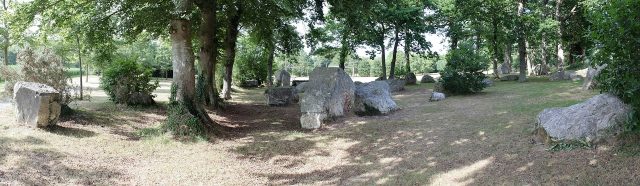
Though the stones have been studied for centuries, they still hold many unanswered questions. Archaeologists continue to uncover new details—nearby, remnants of ancient dwellings and burials suggest this was once a significant hub for Neolithic communities. The stones themselves were quarried locally, meaning the builders knew this land intimately. It’s a reminder that these weren’t just random placements, but a carefully planned endeavor.
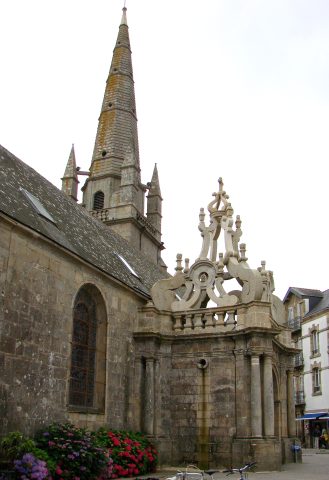
Carnac is more than just its stones. The village itself moves at a slower pace, with narrow lanes, stone houses, and small cafés serving fresh seafood and Breton crêpes. Beyond the village, green fields and forests stretch toward the coast, where sandy beaches and rocky coves await. The whole area feels suspended in time, as if the modern world hasn’t quite caught up.
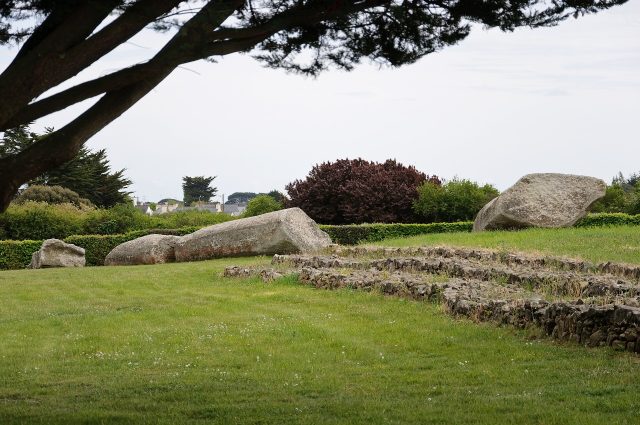
If you find yourself in Brittany, Carnac is just one of many megalithic sites worth exploring—there’s the Saint-Michel tumulus or the dolmens of Locmariaquer. But the Carnac stones leave the deepest impression. They aren’t just relics; they’re a tangible connection to a past far more complex than we often imagine. You don’t need to force a sense of history here—it’s already present in the silence between the stones.