The Carnac Alignments are one of those rare places where the weight of time feels almost tangible. Stretching across the Breton landscape, thousands of standing stones march in silent formation, their rough surfaces weathered by millennia. These aren’t just scattered relics—they’re part of a deliberate, sprawling arrangement that has puzzled historians and archaeologists for centuries. No one knows for certain why they were erected during the Neolithic period, whether as a ceremonial site, an astronomical calendar, or a display of ancient power. The mystery only deepens their allure, turning a walk among them into something more than sightseeing—it’s a step into an unresolved past.
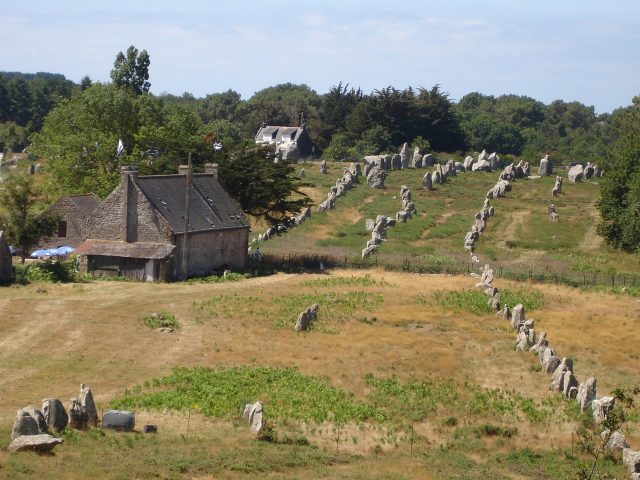
The alignments are divided into three main groups, each with its own character. Menec is the most orderly, where nearly twelve hundred stones stand in eleven parallel rows, their heights gradually increasing toward the center. Kermario, though smaller, boasts the tallest menhirs, some reaching over six meters, their sheer scale making them impossible to ignore. Kerlescan, by contrast, feels more organic, its stones arranged with less precision, as if the builders left mid-task. Together, these sections form a four-kilometer expanse, a silent testament to the labor and vision of people who lived here over five thousand years ago.
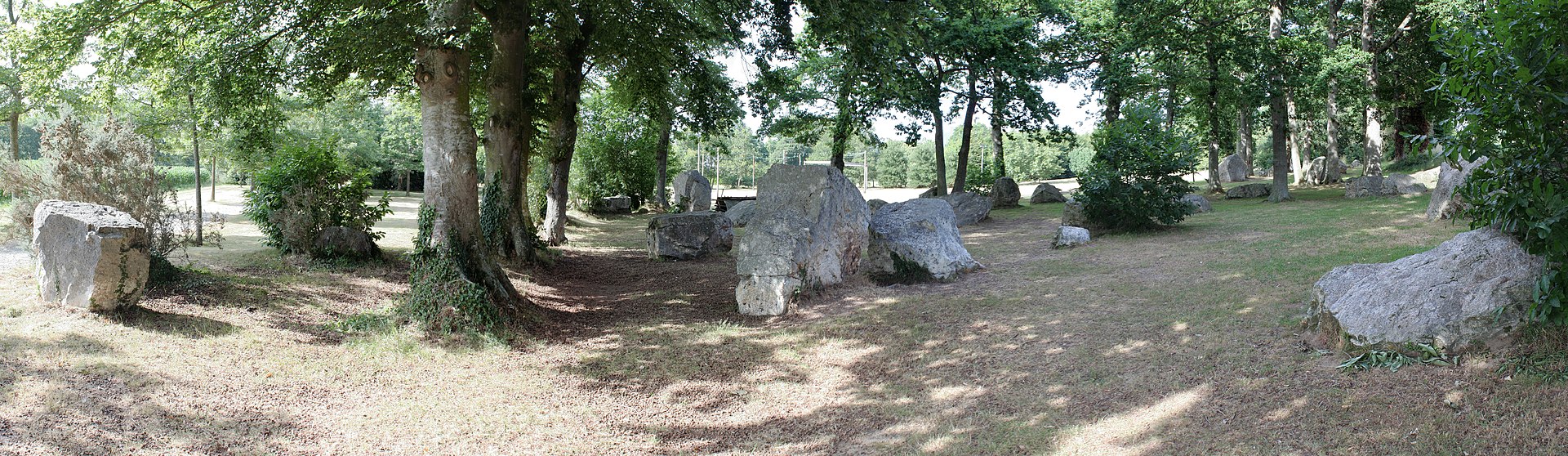
The stones themselves are unpolished, their natural shapes only slightly altered by human hands. Most are local granite, quarried from nearby sites that still bear the marks of ancient extraction. What’s striking is the effort behind their placement—not just driven into the earth, but often anchored with smaller stones beneath, a foundation that suggests careful planning. This wasn’t a haphazard project; each menhir was positioned with purpose, though that purpose remains lost to time.
Local legends offer their own explanations. One tale claims the stones are Roman soldiers turned to rock by Saint Cornelius, frozen in place for eternity. Another suggests they mark the path of a sacred procession, each stone representing a participant. Scholars lean toward more practical theories—that the alignments served as a ritual site or a way to track celestial events like solstices. But no single answer satisfies completely. The sheer scale of the undertaking is staggering: imagine moving and erecting thousands of tons of stone without wheels, cranes, or even metal tools. It’s a humbling reminder of what human hands could achieve long before modern technology.
Today, the alignments are a place of quiet reflection. The wind rustles through the grass between the stones, and the shifting light of the sun casts long, dancing shadows. There are no crowds here, no tourist traps—just the land, the stones, and the ocean in the distance. Visitors often wander the rows, touching the rough surfaces or simply sitting on the grass, letting the atmosphere settle over them. It’s a place where time feels different, where the past isn’t just remembered but somehow still present.
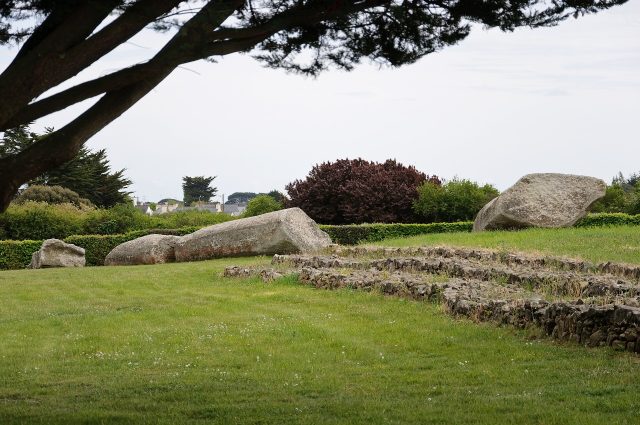
Carnac isn’t just about the menhirs. Nearby, dolmens and burial mounds complete the picture of this ancient landscape. The dolmens—massive stone slabs arranged like tables—were likely tombs, some so well-preserved you can step inside and imagine the rituals once performed there. The mounds, earthen hills covering graves, hint at a society that honored its dead with monumental effort. Together, these sites paint a portrait of a people deeply connected to their land, their beliefs, and their place in the cosmos.
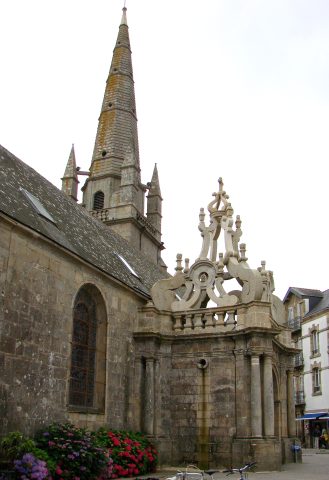
The town of Carnac itself is small but vibrant, with narrow streets and whitewashed houses topped with slate roofs. It’s a place where modern life and ancient history coexist easily. After a morning among the stones, you might stop at a café for a galette stuffed with ham and cheese, or sample fresh oysters from the nearby coast. The local cider, crisp and slightly tart, is the perfect accompaniment. If the weather holds, the Atlantic is never far—a short drive or bike ride away, where waves crash against the rocks and the horizon stretches endlessly.
Visiting the alignments isn’t like ticking off another tourist attraction. There’s no grand entrance, no gift shop, no guided tour required. You can walk the paths at your own pace, letting the stones speak in their own way. Some come seeking answers, others just to feel the weight of history. Either way, it’s a place that lingers in the memory long after you’ve left, a quiet corner of the world where the past isn’t just preserved—it’s alive.