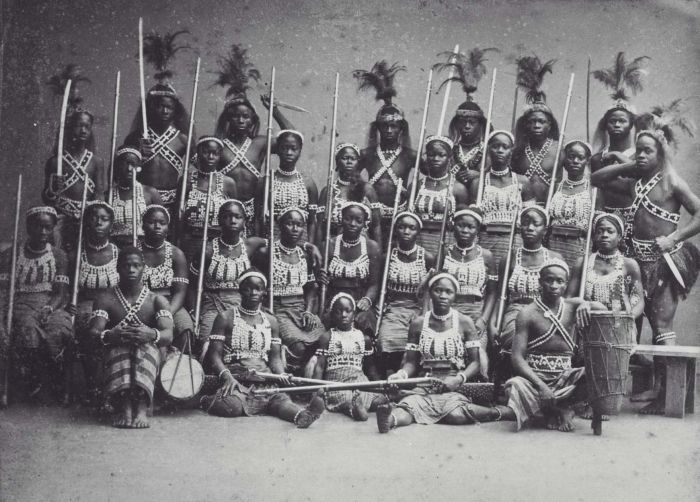
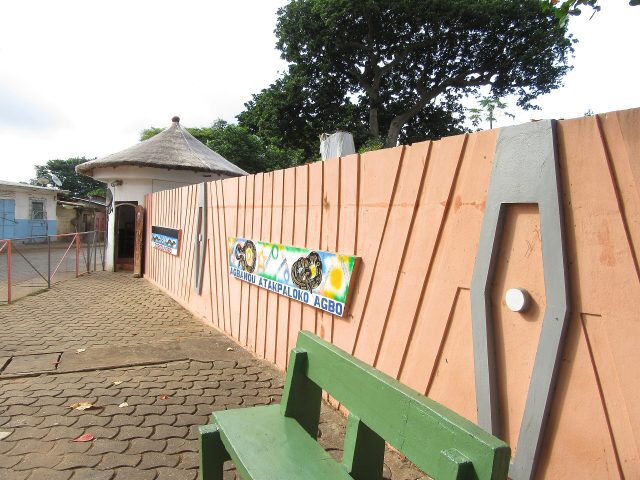
The Museum of the Dahomey Amazons in Vida is one of those rare places where history feels alive—not through grand monuments or polished exhibits, but through the quiet weight of stories that have shaped a nation. Housed in what was once the palace of King Béhanzin, the last independent ruler of Dahomey, the museum stands as a testament to the fierce all-female military regiment that became one of the most formidable forces in West African history. The building itself is unassuming, a low-slung structure of earthen walls and wooden beams, its simplicity belying the power it once commanded. Walking through its rooms, you can almost hear the echoes of the past—the clatter of weapons, the murmur of strategy, the unshakable resolve of women who defied every expectation of their time.
The Dahomey Amazons, known locally as *Mino* or "our mothers," were not just soldiers; they were a cultural phenomenon. Formed in the 17th century under King Houegbadja, the regiment evolved from a small group of elephant hunters into an elite fighting force that made up a third of Dahomey’s army by the 19th century. Their training was brutal, their discipline absolute. Legends say they were forbidden to marry or bear children, though some accounts suggest a few did, only to return to duty with even greater ferocity. What set them apart wasn’t just their skill in battle—though they were feared by European colonizers and neighboring kingdoms alike—but their role in Dahomey’s society. They were bodyguards, royal enforcers, and symbols of the kingdom’s strength, often leading charges in wars that expanded Dahomey’s influence across the region.
The museum does more than display artifacts; it preserves the memory of a legacy that was nearly erased. Inside, you’ll find weapons—machetes, muskets, and the iconic *akpan*, a curved blade that became synonymous with the Amazons. There are also photographs, though few, of the women themselves, their faces stern and unyielding. One of the most striking exhibits is a life-sized diorama of an Amazon in full regalia, her posture rigid, her gaze fixed ahead. It’s a small but powerful reminder of how these women were both revered and feared. The French, who eventually conquered Dahomey in the late 19th century, were so unnerved by the Amazons that they wrote extensively about their bravery, often exaggerating their ferocity in colonial accounts. Yet even in defeat, the Amazons refused to surrender quietly. Some fought to the death; others, it’s said, took their own lives rather than be captured.
The palace-turned-museum is more than a collection of relics; it’s a space where history and identity intersect. Vida, once the heart of the Dahomey Kingdom, remains a city steeped in tradition. The museum sits near the old royal quarters, where the kings of Dahomey once held court, and where the Amazons would have stood guard, their presence a constant reminder of the kingdom’s might. Today, the area is quieter, but the connection to the past is palpable. Locals still speak of the Amazons with a mix of pride and awe, their stories passed down through generations. For many in Benin, the regiment is not just a chapter in history but a symbol of resistance—against colonialism, against gender norms, against the idea that women could not be warriors.
What makes the museum particularly compelling is how it frames the Amazons not as mythical figures, but as real women who lived, fought, and died for their kingdom. The exhibits avoid sensationalism, instead presenting their story with a matter-of-fact reverence. There are no grand narratives of invincibility, no attempts to gloss over the complexities of their existence. The Amazons were both protectors and enforcers, their loyalty to the king absolute, even when his decisions led to war. They were women who chose—or were chosen for—a life of discipline and danger, and in doing so, they redefined what it meant to be a warrior in West Africa. The museum doesn’t shy away from the darker aspects of their history, including their involvement in the transatlantic slave trade, where Dahomey’s army, including the Amazons, played a role in capturing and selling prisoners of war. It’s a painful truth, but one that the museum acknowledges, forcing visitors to grapple with the full scope of Dahomey’s legacy.
The architecture of the museum itself is worth noting, not for its grandeur, but for its authenticity. The building is a traditional *sodagui*, a style of construction using laterite bricks and palm wood, materials that have stood the test of time. The walls are thick, the ceilings low, designed to keep the interior cool in the sweltering heat. The layout is labyrinthine, with narrow corridors leading to small, intimate rooms, each dedicated to a different aspect of the Amazons’ lives. There’s a sense of walking through history, not as an observer, but as someone stepping into a story that’s still unfolding. The museum’s curators have done an admirable job of balancing education with preservation, ensuring that the exhibits feel accessible without losing their historical weight.
For visitors, the experience is often humbling. There’s no spectacle here, no flashy displays or interactive exhibits. Instead, the museum invites quiet reflection. You might spend an hour or two wandering the rooms, reading the placards, studying the artifacts, and trying to imagine what it was like to stand in the same space centuries ago. The Amazons’ story is one of contradictions—of strength and vulnerability, of loyalty and defiance, of a past that is both celebrated and complicated. It’s a story that challenges preconceptions about gender, power, and warfare, and one that resonates far beyond the borders of Benin.
The Museum of the Dahomey Amazons is not just a destination for history buffs or those interested in military lore. It’s a place for anyone who wants to understand the layers of human experience—how societies are shaped, how identities are forged, and how the past continues to shape the present. In a world where women’s contributions to history are often overlooked, the Amazons stand as a reminder of what can happen when women are given the tools, the training, and the trust to lead. Their legacy is not just in the artifacts on display, but in the way their story continues to inspire. Whether you’re drawn by curiosity, by a love of history, or by the desire to connect with something greater than yourself, the museum offers a rare opportunity to step into a world that, for all its differences, still feels strangely familiar.