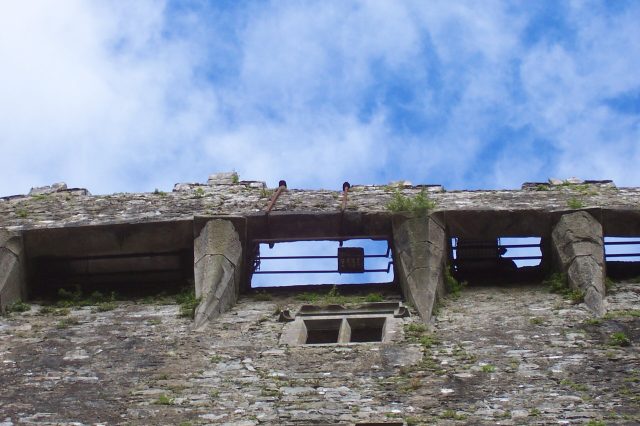
Blarney is a quiet town in County Cork, best known for its castle and the legendary stone that promises the gift of eloquence to anyone bold enough to kiss it. But beyond the crowds and the well-trodden path to the battlements, there’s another place worth lingering—a small museum that tells the story of the people who lived here long before the first tourists arrived. Housed in a modest building near the castle, the Blarney Museum offers a glimpse into the everyday lives of those who shaped this corner of Ireland, not through grand narratives or dramatic artifacts, but through the ordinary objects that once filled their homes and workshops.
The collection here is unassuming, almost understated, yet that’s what makes it compelling. You’ll find tools that craftsmen used centuries ago, their wooden handles worn smooth by generations of hands. There are spinning wheels and looms, their mechanisms still intact, hinting at the labor that once turned raw wool into cloth. Household items—pots, pans, and simple wooden bowls—sit alongside clothing and jewelry, each piece a quiet testament to the rhythms of daily life. Some of these objects look as if they were set down only yesterday, though they’ve survived for hundreds of years. It’s easy to imagine the hands that held them, the voices that once filled the rooms where they were used.
The museum also dedicates space to the history of Blarney Castle itself. Maps, documents, and engravings trace its origins in the fifteenth century, its changing ownership, and the turbulent events it witnessed. The castle has been a silent observer to wars, political maneuvering, and the rise and fall of families, yet it remains a defining feature of the landscape. Among the exhibits are copies of letters and agreements signed within its walls, as well as items that belonged to its noble residents—furniture, personal effects, and other remnants of a way of life that once unfolded behind its stone facade. These artifacts don’t glamourize the past; they simply show how people lived, worked, and made decisions that shaped their world.
What sets this museum apart is its focus on the ordinary. There are no crown jewels or priceless treasures here, just the tools, toys, and household goods that defined the lives of farmers, weavers, and blacksmiths. A rusted plowshare, a child’s wooden doll, a chipped ceramic jug—these are the things that don’t make it into history books but are no less important for understanding how people endured, adapted, and found joy in their surroundings. The absence of grandeur makes the experience feel more intimate, as if you’re stepping into someone’s home rather than a curated display of wealth.
The museum is small, with just a few rooms, but the layout encourages slow exploration. There are no crowds, no rush, just the creak of floorboards underfoot and the faint scent of aged wood and polish. Old photographs line the walls, their sepia tones fading but their subjects still vivid—farmers in fields, families gathered outside cottages, children playing in the streets. The labels are informative without being overwhelming, offering just enough context to let the objects speak for themselves. It’s the kind of place where you might find yourself lingering over a display of hand-forged nails or a set of delicate lacework, realizing how much skill and patience went into creating something so seemingly simple.
For anyone visiting Blarney Castle, the museum offers a counterpoint to the grandeur of the stone fortress. While the castle impresses with its architecture and legends, the museum grounds those stories in the lives of the people who lived in its shadow. It doesn’t claim to rewrite history or uncover hidden secrets; instead, it invites visitors to see the past through the lens of everyday existence. The tools, the textiles, the handwritten letters—these were the things that mattered to the people who used them, and in that way, they matter still.
The museum also bridges the gap between past and present. In one corner, you might find a display of contemporary Irish crafts alongside their historical counterparts. Modern weavers, potters, and blacksmiths continue traditions that have been passed down for generations, and their work sits beside the tools and techniques of their predecessors. It’s a reminder that while the world has changed, some skills and crafts endure, adapted but not forgotten. Seeing a handwoven blanket next to a centuries-old loom, or a hand-thrown mug beside a medieval potter’s wheel, makes the connection between then and now feel tangible.
Visiting the Blarney Museum isn’t about ticking off another attraction or snapping the perfect photo. It’s about taking a moment to step out of the present and into a slower, quieter world. There’s no need to hurry, no script to follow. You can stand in front of a case of old pocket watches, tracing the intricate designs, or read a letter written in looping script centuries ago. You might find yourself wondering about the person who last wore a tattered shawl on display, or the child who played with a wooden toy now resting behind glass. In these small, unguarded moments, history stops feeling like a distant concept and starts to feel like something real, something you can almost touch.