The Astan-e Quds Razavi Museum in Mashhad is one of those rare places where history, faith, and art merge so seamlessly that time itself seems to soften. Nestled within the sprawling complex surrounding the shrine of Imam Reza, the eighth Shia Imam, the museum is more than a repository of artifacts—it’s a living narrative of a people, their beliefs, and the culture that has shaped them. The objects on display were once part of everyday life, but now they stand as silent witnesses to centuries of devotion, craftsmanship, and human experience.
The shrine complex itself is a world unto its own, a city within a city where the sacred and the practical coexist. Beyond its religious significance, it encompasses libraries, universities, hospitals, and charitable institutions, all functioning as part of a vast, self-sustaining ecosystem. The museum serves as the heart of this system, a place where pilgrims and visitors alike can connect with the traditions that have revolved around Imam Reza for over a thousand years. To reach it, you pass through courtyards filled with the quiet murmur of prayers and the scent of flowers, a gentle introduction to the reverence that permeates the space.
The museum’s collection spans millennia, from ancient relics to items tied to Iran’s more recent past. Among its most striking exhibits are rare Qurans, some inscribed on parchment or silk, their pages a testament to the skill of medieval calligraphers. The intricate designs of antique carpets, once draped across mosques and palaces, tell stories of their own, while the jewelry collection—gifts presented to the shrine over centuries—reflects the enduring significance of this place. Gold and silver pieces, encrusted with precious stones, were offered by rulers and nobles, each donation a mark of respect and a piece of history in itself.
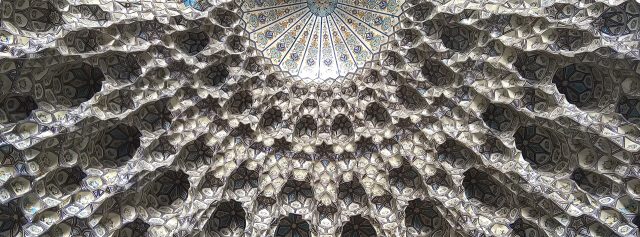
The architecture of the museum is as much a part of the experience as the artifacts it houses. Built in the traditional Persian style, the building features high, vaulted ceilings adorned with mosaics and frescoes, their patterns echoing the geometric precision found in Islamic art. Inner courtyards with fountains and gardens offer moments of quiet reflection, while the spacious galleries allow visitors to linger over the exhibits without feeling rushed. The manuscript hall is particularly mesmerizing, where pages of ancient texts lie under glass, their letters formed with such precision that they seem almost alive. Even those unfamiliar with Islamic calligraphy can appreciate the artistry behind each stroke.
Beyond religious artifacts, the museum also explores Iran’s broader history through everyday objects. Weapons, coins, and household items reveal how ordinary people lived across different eras. The ceramics collection, for instance, shows how techniques and tastes evolved over time, while displays of traditional clothing offer a glimpse into the daily lives of Khorasan’s past inhabitants. These items aren’t grand or ostentatious; they’re simple, functional, and deeply human, reminding visitors that history is made by people, not just events.
A dedicated section of the museum focuses on Imam Reza himself, gathering personal belongings, documents, and gifts left by pilgrims over the centuries. Prayer rugs, rosaries inlaid with gems, and handwritten letters speak to the personal connections people have forged with the Imam. These objects create a sense of intimacy, as if each visitor is stepping into a continuous stream of faith that has flowed through this place for generations.
Visiting the museum isn’t just about observing artifacts—it’s about immersing yourself in the atmosphere of a place where every corner feels steeped in history. There’s no rush here, no tourist hustle. People move slowly, speak softly, and sometimes simply sit in the courtyards, lost in thought. That unhurried pace is part of what makes the experience so memorable. The museum doesn’t impose its stories; it invites you to find your own meaning in them.
For those curious about Iran’s past, the Astan-e Quds Razavi Museum offers a different perspective on the country. There are no grand declarations or political narratives, just a quiet chronicle of how faith, art, and culture have shaped a nation over centuries. Even if you’re not religious, the museum encourages reflection on the role of tradition and memory in shaping identity. It’s a place where the past feels tangible, where the weight of history is carried not just in objects, but in the air itself.