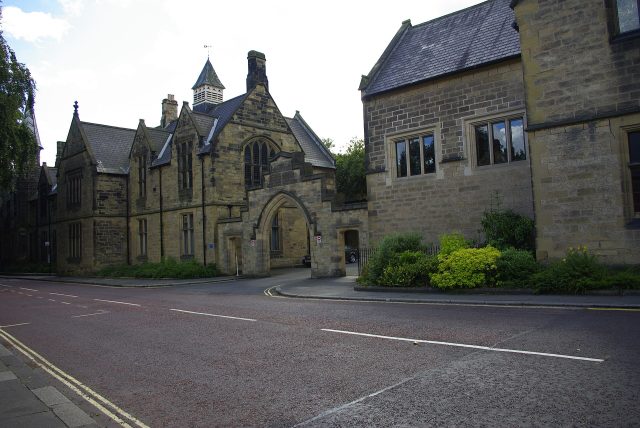
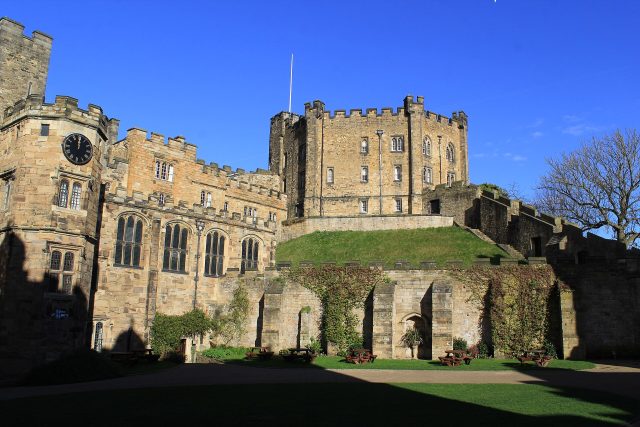
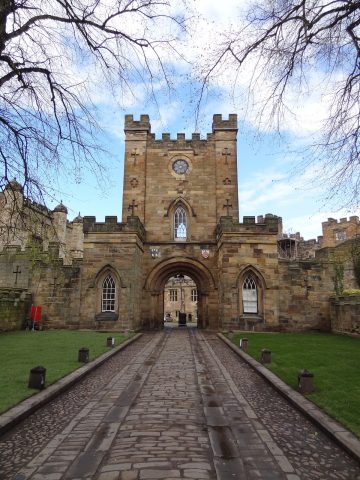
Durham’s Museum of Archaeology is one of those rare places where the past doesn’t feel distant or abstract—it’s woven into the very fabric of the city. Housed in the historic Palace Green, at the heart of the university quarter, the museum sits among narrow medieval streets and towering Gothic spires, where every stone seems to carry the weight of centuries. Here, archaeology isn’t just an academic discipline; it’s a living connection between those who walked these streets long ago and those who visit today.
The museum’s collection spans an immense stretch of time, from the earliest traces of human activity in northern England to the Industrial Revolution. The oldest artifacts—stone tools and fragments of pottery—offer a glimpse into the lives of Neolithic communities who once inhabited these lands. But it’s the Roman period that leaves a particularly vivid impression. Coins, jewelry, and everyday objects unearthed along the ancient roads that once linked northern Britain’s forts reveal a side of Durham that predates its medieval reputation. The city, it turns out, has always been a crossroads of cultures.
The Middle Ages take center stage in the museum’s displays, with artifacts recovered from Durham Cathedral and Castle—two of the city’s most iconic landmarks. Among them are intricately carved stone fragments, religious vessels, weapons, and personal items belonging to monks and townspeople. The ceramics collection is especially revealing, showing how craftsmanship evolved over the centuries. Some pieces feel almost alive, like clay jugs still holding traces of wine or ale from long-forgotten feasts. These objects don’t just tell stories; they carry the atmosphere of their time.
One of the most compelling sections focuses on the region’s industrial history. Durham was once a powerhouse of coal mining in Britain, and the museum doesn’t shy away from this legacy. Tools, miners’ lamps, and archival photographs document the grueling labor and harsh conditions endured by generations of workers. These exhibits aren’t just about technological progress—they’re a tribute to the people who shaped the nation’s economy. There’s a quiet gravity in these displays, as if visitors can sense the weight of what these simple objects represent.
The museum isn’t just about static exhibits. Temporary displays often showcase recent archaeological discoveries, sometimes still caked in earth—freshly unearthed remnants of ancient settlements or rare artifacts pulled from the ground. These exhibitions create a sense of immediacy, offering a raw, unfiltered look at history before it’s polished into legend. It’s a reminder that the past is still being uncovered, piece by piece.
The building itself is part of the experience. Palace Green, where the museum is located, was once the bishop’s courtyard, built in the 12th century. Its walls have witnessed kings, clergy, and ordinary citizens, and now they preserve their memory. The interior retains its medieval layout, with original vaulted ceilings and window arches still visible in some rooms. Walking through the museum, it’s hard not to feel the presence of those who came before—how little the stones themselves have changed over the centuries.
For those who want to engage more deeply, the museum offers educational programs and guided tours. These go beyond the usual narratives, delving into the methods of archaeological research—how scholars reconstruct the past from fragments. Occasionally, there are hands-on workshops where visitors can try their hand at medieval crafts or learn to date artifacts by examining their wear. It’s a chance to step into the shoes of those who shaped history, if only for an afternoon.
What makes Durham’s Museum of Archaeology special isn’t its size or grandeur, but its intimacy. There’s no pomp or pretension here, just a direct encounter with the past. The museum doesn’t dictate how to interpret history; it presents the evidence and lets visitors draw their own conclusions. That’s why it feels alive—because the artifacts still speak to those willing to listen. In a city where the past is never far away, this museum is a quiet but powerful reminder of how deeply history is embedded in the present.