Durham University is one of those rare places where history isn’t just preserved—it’s alive, woven into the fabric of everyday life. Founded in the early 19th century, it holds the distinction of being England’s third-oldest university, after Oxford and Cambridge, though its roots stretch even further back. The Benedictine monks of Durham Cathedral established a tradition of learning here as early as the 12th century, and that legacy still lingers in the university’s character today. More than just an academic institution, it’s a world unto itself, perched on rolling hills above the River Wear, where Gothic spires stand beside modern buildings and centuries-old traditions are passed down like heirlooms.
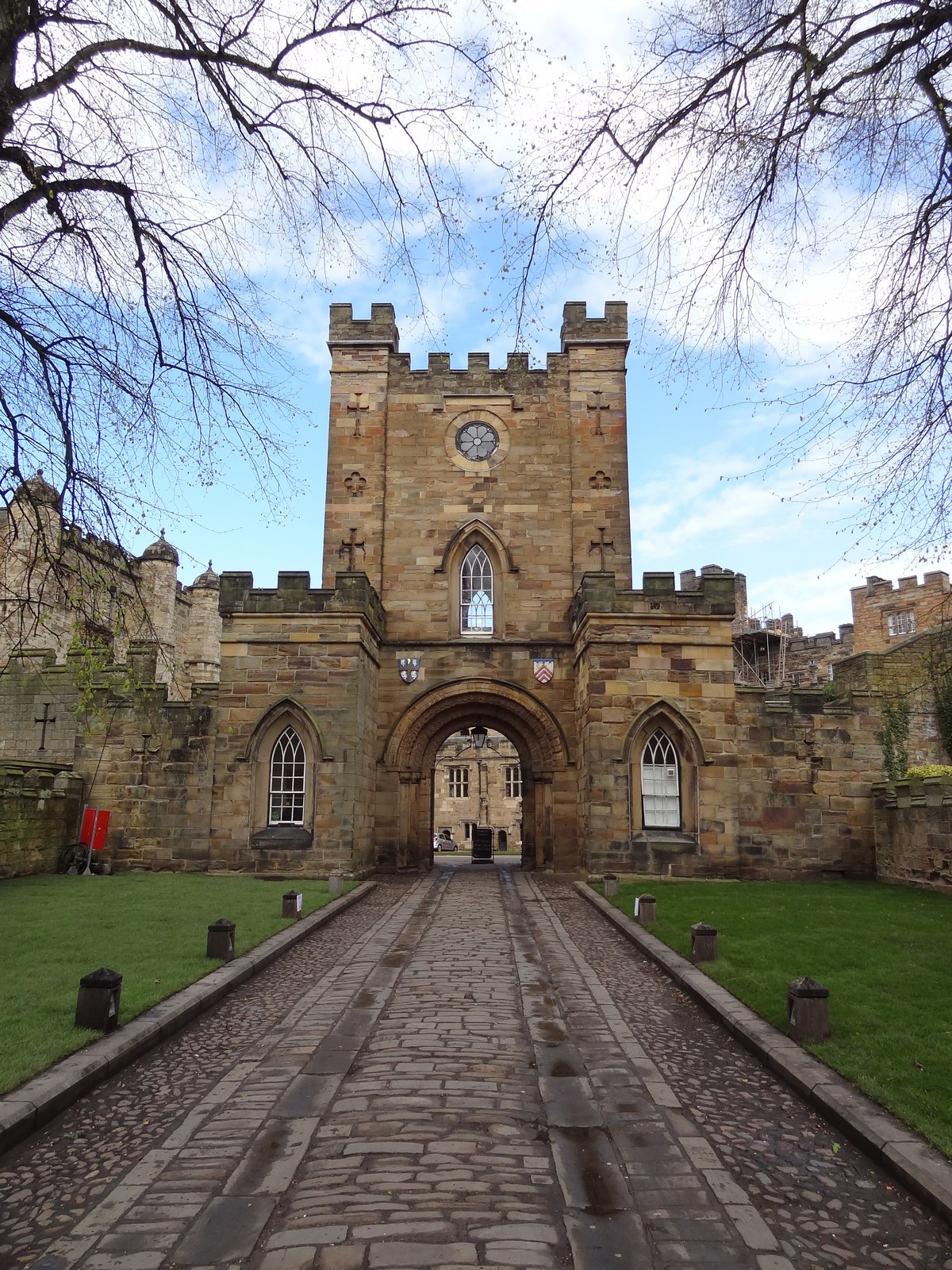
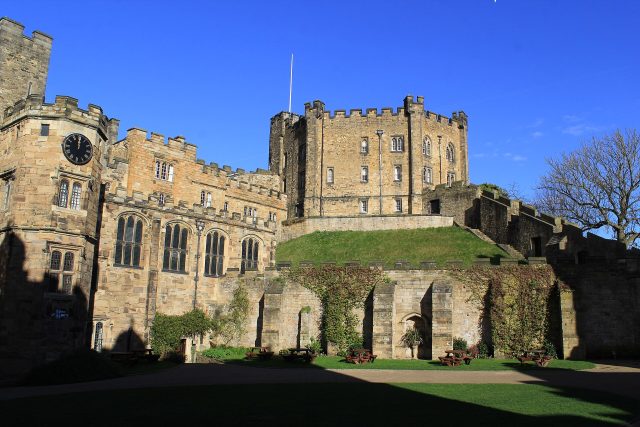
The architecture here tells a story in stone, one that spans nearly a thousand years. At the heart of the campus lies Durham Castle, built in the 11th century on the orders of William the Conqueror. Its thick walls and towering keep still bear the marks of Norman craftsmanship, while inside, medieval halls echo with the voices of students who now live and study within them. The castle isn’t a museum—it’s a living college, where undergraduates dine beneath oak-beamed ceilings and sleep in rooms that once housed kings and bishops. Just beyond its walls rises Durham Cathedral, a masterpiece of Norman design and a UNESCO World Heritage Site. Its twin towers dominate the skyline, while inside, the soaring arches and intricate stonework create a sense of timeless grandeur. The cathedral houses the shrine of St. Cuthbert, and its vaulted ceilings are adorned with some of the finest Romanesque carvings in Europe.
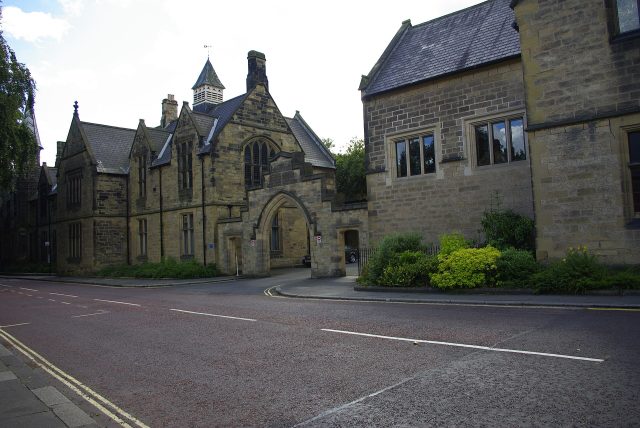
Yet the university isn’t frozen in the past. Over the last century, the campus has expanded to include modern buildings that blend seamlessly with the landscape. The Bill Bryson Library, named after the celebrated author who studied here, is a light-filled space with sweeping views of the river, a far cry from the dim, hushed libraries of old. On the outskirts of the city, the university’s science park hums with research in fields like astrophysics and biotechnology. Still, the past is never far away. Many departments remain housed in historic buildings, and students in the university’s colleges still gather for formal dinners in ancient dining halls, just as their predecessors did centuries ago.
There’s a particular rhythm to life at Durham, one that’s hard to capture in words. It’s not the frenetic energy of a big city, but something quieter—a sense of time moving at its own pace. Students and staff often wander the footpaths along the Wear, where the cathedral and castle appear like a mirage on clear days. In summer, the river comes alive with rowers and picnickers, while in winter, mist clings to the hills, softening the outlines of the old buildings until they seem almost unreal, like something from a Gothic novel.
Traditions here run deep, and many feel as though they’ve been untouched by time. Every year, students in academic gowns process to the cathedral for a service, a ritual that dates back centuries. Then there’s the famous "Castle Night," when first-years gather in the great hall for a feast, just as Norman knights might have done. These aren’t just quaint customs—they’re threads that connect students to the university’s long history, making them part of something larger than themselves. Many alumni return to Durham years later, drawn back by the sense of belonging that lingers here.
The university is the lifeblood of the city. Durham is small, and without its students, it would feel like a different place entirely. They fill the streets, cafés, and pubs, giving the town its pulse. In summer, when term ends, the city grows quieter, but by autumn, it’s alive again with new faces. Locals regard the university with pride—it’s not just an employer but a cultural hub, hosting concerts, lectures, and exhibitions that are open to all. The relationship between town and gown is one of mutual respect, a partnership that has shaped Durham for generations.
Academically, Durham bridges the old and the new. While it’s steeped in tradition, it’s also a center for cutting-edge research, from particle physics to artificial intelligence. Students here don’t just study—they engage with the world. Many take part in volunteer programs, work with local communities, or embark on fieldwork across the globe. The university counts among its alumni not just scholars and politicians, but writers, artists, and athletes, each leaving their mark in different ways.
To visit Durham University is to step into a place where the past and present coexist. A walk through the campus is a journey through time—from the medieval walls of the castle to the sleek laboratories of the science park, from the hushed libraries to the buzzing student cafés. Every stone here holds a memory, and the River Wear, as it has for centuries, flows on, a quiet reminder of the passage of time. It’s not just the history or the architecture that stays with you, but the feeling of being part of something enduring.