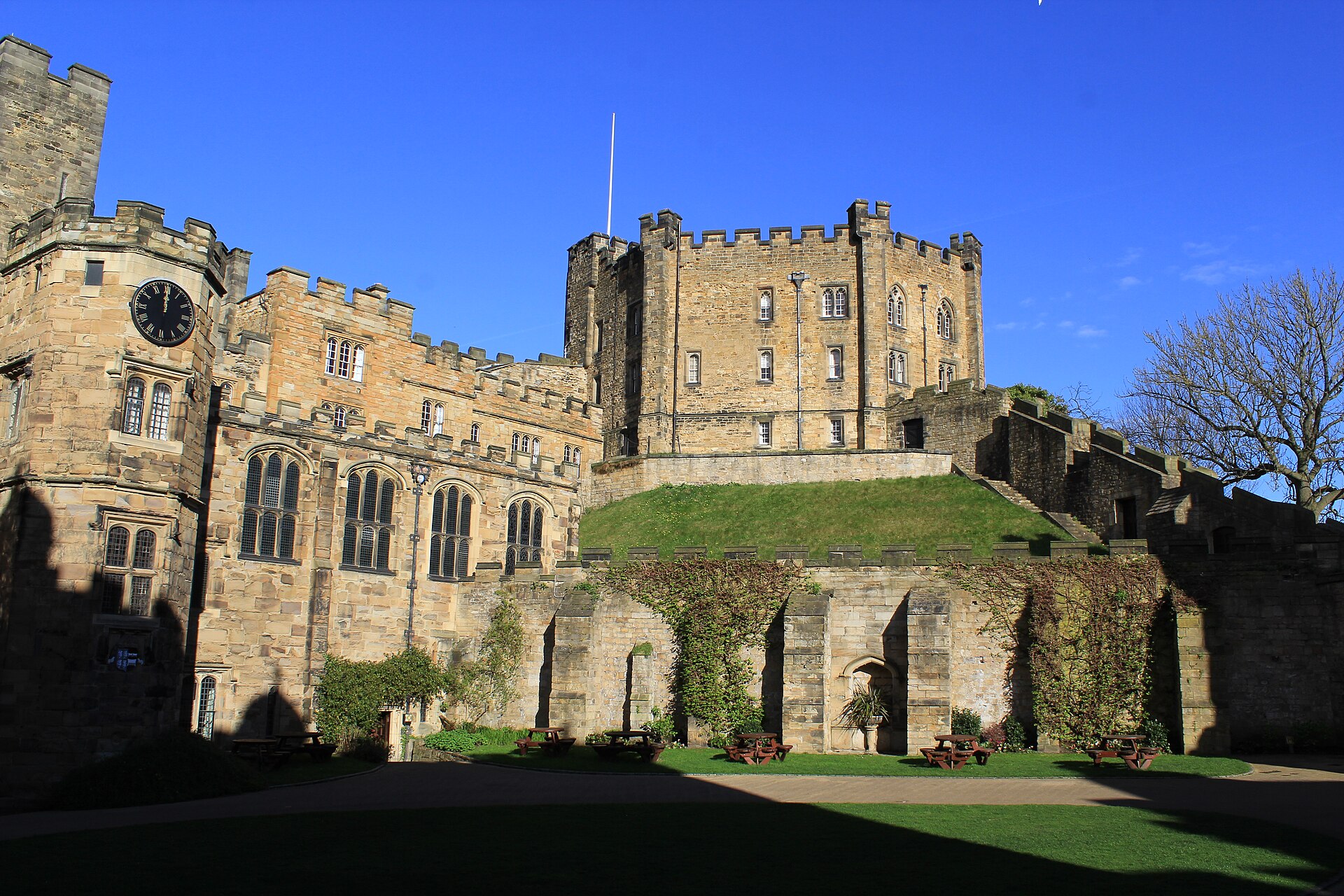
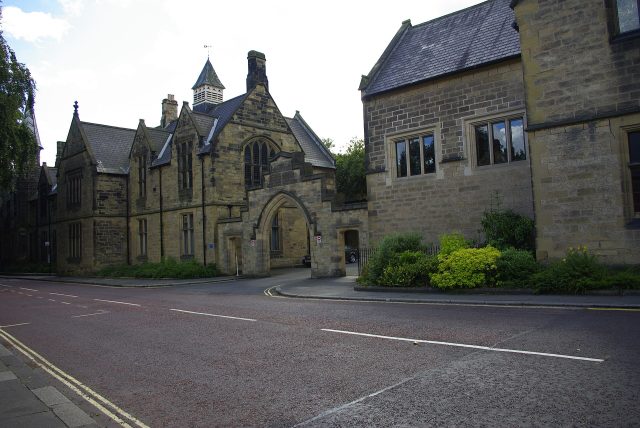
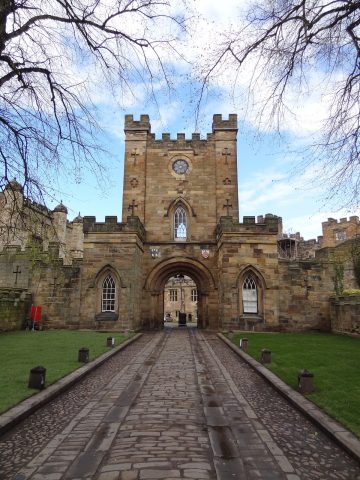
Perched on a rocky promontory above the River Wear, Durham Castle has watched over the city for nearly a thousand years. Its sturdy walls and towers rise abruptly from the landscape, a silent sentinel that seems frozen in time—though behind its ancient stones, life has never stopped moving forward. What began as a Norman stronghold has transformed over the centuries, serving as a bishop’s palace, a fortress, and now a living part of Durham University. The castle isn’t just a relic; it’s a place where history and the present coexist, each layer built upon the last without erasing what came before.
The castle’s origins trace back to the 11th century, when William the Conqueror ordered its construction to assert control over the rebellious north of England. The site was chosen for its natural defenses—a steep hill flanked by the river on one side and sheer drops on the others. The first structures were likely wooden, but by the 12th century, they had been replaced with stone, giving the castle the formidable appearance it retains today. Its purpose was clear: to intimidate as much as to defend. The massive keep, or donjon, was the last line of resistance during sieges, its thick walls and narrow spiral staircases designed to slow invaders. Inside, the vaulted ceilings and cramped passages still feel like a place built for survival, not comfort.
For centuries, the castle was the seat of the Prince Bishops of Durham, men who wielded both spiritual and temporal power. They governed the region with near-regal authority, and the castle reflected their dual role—part fortress, part palace. The bishops’ private chambers, now student accommodations, were once the heart of political and religious life in the north. The Great Hall, where banquets and councils were held, still echoes with the weight of decisions made within its walls. Even the chapel, one of the oldest Norman structures in England, was a statement of power. Its rough-hewn carvings and low, heavy arches speak of an era when art served faith and function in equal measure. Today, the chapel remains in use, its dim light and quiet atmosphere preserving a sense of timeless devotion.
By the 19th century, the castle’s military role had faded, but its significance endured. In 1837, it became part of Durham University, transforming once again—this time into a place of learning. Students now live in rooms that once housed bishops, and lectures are held in halls where medieval lords once debated. The transition wasn’t seamless; the university had to adapt the castle’s layout, adding modern amenities while preserving its historic fabric. The result is a place where the past isn’t just remembered but actively inhabited. The castle’s courtyard, once the stage for ceremonial processions, now sees students rushing to classes or tourists pausing to admire the weathered coats of arms carved into the stone.
The castle’s connection to Durham Cathedral is impossible to ignore. Together, they form a UNESCO World Heritage Site, a rare pairing of ecclesiastical and secular power. The cathedral, with its soaring Gothic arches, stands as a testament to faith, while the castle represents the earthly authority that shaped the region. Their histories are intertwined, from the Norman conquest to the present day. Walking between them, it’s easy to imagine the processions of bishops, knights, and scholars who once moved along the same path. The two buildings dominate the city’s skyline, their silhouettes instantly recognizable—a reminder of Durham’s enduring place in England’s story.
Visiting the castle requires joining a guided tour, as it remains a working part of the university. The guides don’t just recount dates and architectural details; they bring the space to life with stories of its many lives. There are tales of sieges and betrayals, of bishops who ruled like kings and students who now fill the halls with laughter. Some stories are less tangible—whispers of ghosts said to linger in the corridors, like the monk who drifts through the chapel or the student who never left the library. These legends add a layer of mystery, though the castle’s real allure lies in its tangible history. Every worn step, every carved stone, tells a story of survival, adaptation, and continuity.
What makes Durham Castle remarkable is how seamlessly it has absorbed each new chapter of its existence. The Normans built it to control, the bishops expanded it to impress, and the university repurposed it to educate. Yet none of these eras erased the ones before. The castle’s stones bear the marks of all who have passed through—knights, clerics, scholars, and visitors. It’s a place where the past isn’t preserved in amber but carried forward, where a student’s footsteps might echo those of a medieval bishop. In a city where history is never far from the surface, the castle stands as a bridge between then and now, a reminder that some places are more than just buildings—they’re living witnesses to the passage of time.