The Almería Museum is one of those quiet places where history doesn’t just sit behind glass—it lingers in the air, waiting to be noticed. Tucked into the heart of the city, it tells the story of a land shaped by countless hands, from the earliest settlers to the flourishing of Al-Andalus and the changes that followed. There’s no grand spectacle here, no overwhelming scale of a national institution. Instead, the museum feels intimate, almost personal, as if each artifact still carries the warmth of the people who made and used it centuries ago.
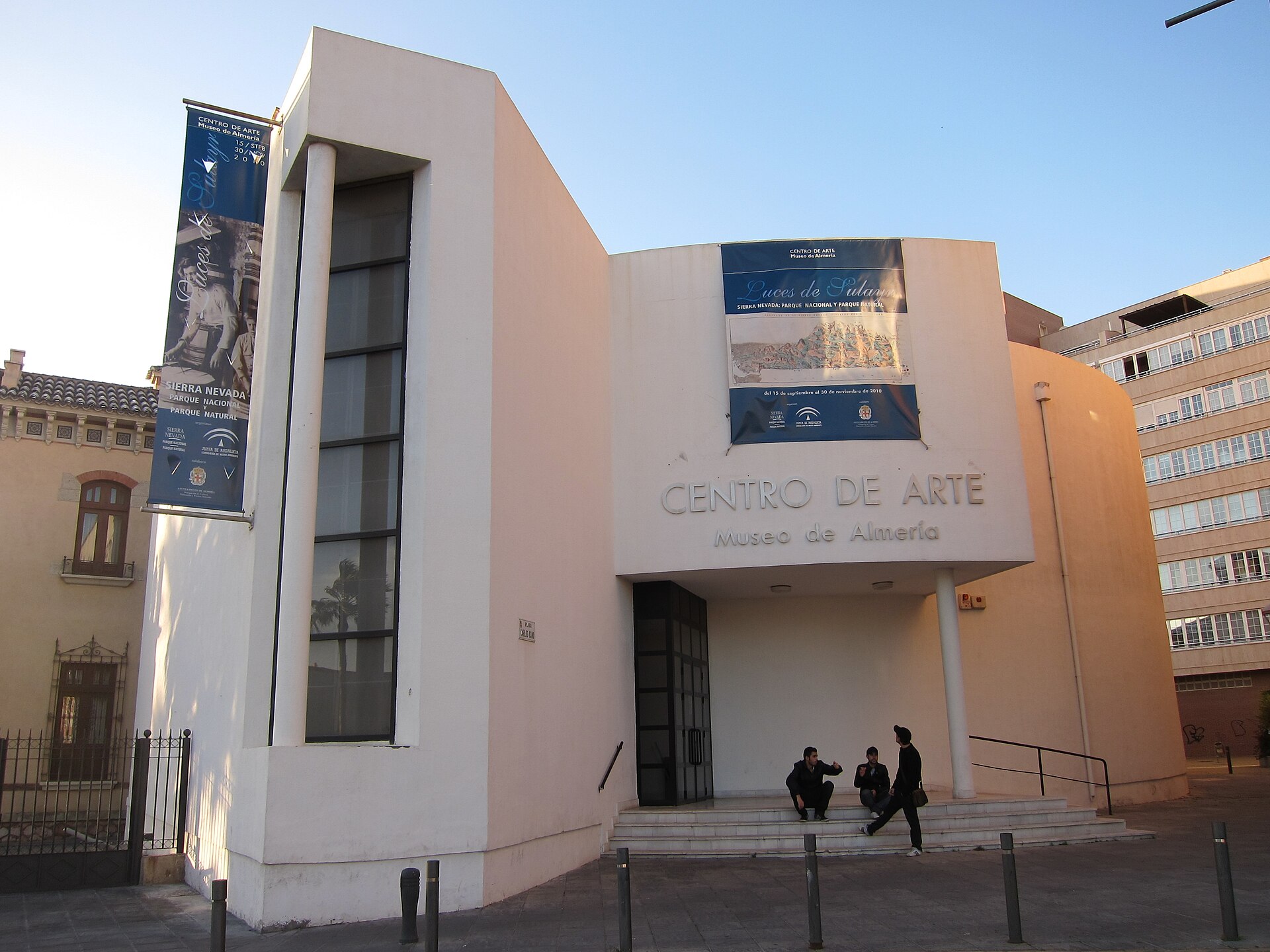
The building itself is a modern structure, its smooth curves and large windows blending seamlessly with the surrounding streets. Inside, the high ceilings and open spaces invite visitors to move at their own pace. Natural light filters through the glass walls, softly illuminating the displays and drawing attention to the smallest details. It’s a space designed for contemplation, where the past isn’t rushed or overshadowed by flashy presentations.
The core of the museum’s collection comes from the province itself, a testament to the region’s deep and varied history. The earliest exhibits take you back to the Neolithic era, the Bronze Age, and the Iron Age, when this corner of the Mediterranean was a hub of ancient cultures. Among the most striking pieces are those from Los Millares, a prehistoric settlement that once thrived here. The artifacts—stone axes, intricately patterned pottery, and enigmatic idol figures—hint at a society both sophisticated and mysterious. Some of these objects, like the so-called "eye idols," still puzzle archaeologists, their original purpose lost to time.
The Roman period is represented with a more modest but no less fascinating selection. Fragments of mosaics, coins, everyday tools, and funerary stelae offer glimpses into daily life under Roman rule. A collection of amphorae underscores the region’s role in trade, particularly in olive oil and wine, which were economic staples. While Almería’s Roman heritage may not be as grand as that of other Spanish cities, its simplicity makes it feel more authentic, less polished by the passage of time.
The museum’s most vivid section is dedicated to the Moorish era, when Almería reached its golden age. In the 10th century, the city became the capital of an independent emirate, and its port flourished as a gateway between Europe, North Africa, and the East. The exhibits here include delicate ceramics adorned with arabesques, intricate jewelry, fragments of architectural decoration, and remnants of sophisticated water systems. A reconstructed Moorish house, complete with an inner courtyard and fountain, offers a tangible sense of how people lived during this period. It’s easy to imagine the sound of water trickling in the courtyard, the scent of spices in the air, and the hum of commerce that once filled the streets.
Later periods are represented through a mix of medieval weaponry, religious artifacts, documents, and maps. One of the most compelling sections focuses on Almería’s maritime history. Navigation instruments, ship models, and nautical charts highlight the city’s long-standing connection to the sea. For centuries, Almería’s identity was shaped by trade and fishing, its port serving as a vital link between Europe and distant shores. These exhibits don’t just tell a story—they evoke the salt spray and the creak of wooden ships, the bustle of dockworkers and the shouts of sailors.
What makes the Almería Museum unusual is the way it blurs the lines between eras. Ancient tools sit near Roman coins, Moorish pottery shares space with Christian relics. There’s no rigid separation, no sense of one culture abruptly replacing another. Instead, the museum presents history as a continuous thread, where different peoples and traditions overlap and intertwine. It’s a reminder that the past isn’t a series of isolated chapters but a living, breathing tapestry.
Visiting the museum isn’t about seeing famous masterpieces or ticking off must-see attractions. It’s about stepping into a place where history feels immediate, where the weight of centuries isn’t overwhelming but quietly present. As you walk through the galleries, it’s hard not to wonder about the lives that unfolded here—the farmers, traders, sailors, and artisans who left behind these fragments of their world. Some stories are well-documented; others remain untold, hidden in the silence of the artifacts. The Almería Museum doesn’t claim to have all the answers. It simply offers a space to pause, to look closer, and to listen.