The National Museum of Natural History in Luanda is one of those rare places where time seems to pause, allowing visitors to step away from the city’s relentless pace. Housed in a building that carries the weight of history, it was once part of Angola’s colonial administration before becoming a sanctuary for the country’s natural and cultural heritage. The museum doesn’t draw crowds, and that’s part of its charm—it offers a quiet space to explore Angola beyond its beaches and urban life, revealing the layers of its landscapes and the creatures that inhabit them.
The exhibits span zoology, botany, anthropology, and paleontology, each section telling a different story about the country’s biodiversity. Skeletons of long-extinct animals stand alongside taxidermied specimens of rare species that still roam Angola’s savannas and rainforests. The mineral collection hints at the country’s geological wealth, while the marine displays showcase the vibrant life along its Atlantic coastline. Among the most compelling pieces are those tied to Angola’s indigenous cultures—tools, household items, and artifacts that offer a glimpse into how people have lived in harmony, and sometimes in tension, with their environment for generations.
What sets this museum apart is its role as a living institution. Beyond the permanent exhibits, it hosts lectures and temporary displays that highlight ongoing scientific research. Visitors might learn about the migration patterns of birds that pass through Angola or the efforts to protect endangered species like the giant sable antelope. Educational programs for students emphasize the fragility of ecosystems, framing conservation not as an abstract concept but as a necessity for the country’s future. The museum doesn’t just preserve the past; it engages with the present, asking visitors to consider their own relationship with nature.
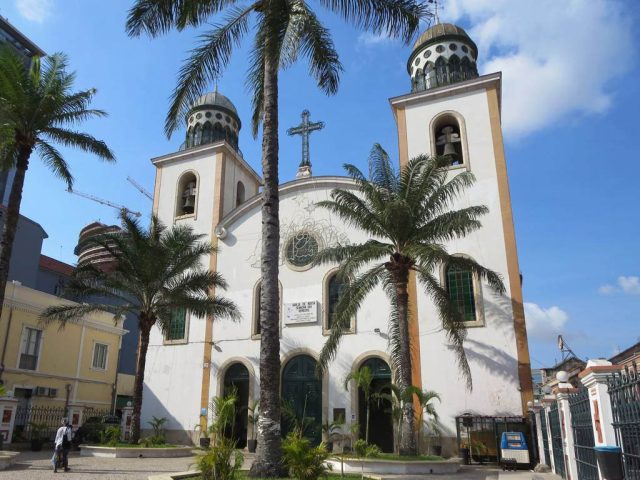
The building itself is a study in contrasts. Its architecture blends European colonial design with subtle Angolan influences, a reflection of Luanda’s layered history. High ceilings and large windows create an airy atmosphere, while the inner courtyard, filled with native plants, offers a cool respite from the city’s heat. The space feels both grand and intimate, inviting visitors to linger rather than rush through. On any given day, you might see students sketching exhibits, families pointing out familiar animals, or older Angolans sharing stories with younger generations about the land they once knew.
Unlike many tourist attractions, this museum doesn’t feel like a checkbox on an itinerary. There are no guided tours rushing you along or souvenir shops hawking trinkets. Instead, it’s a place for curiosity, where each display can spark a conversation or a moment of reflection. The absence of crowds allows for a more personal experience—you can stand in front of a case of butterflies or a traditional fishing net and really take it in, without the pressure of moving on to the next thing. It’s the kind of place where you might overhear a child asking why a certain bird is endangered or an elder explaining how a particular plant was used in medicine.
For those with an interest in science, the museum is a window into Angola’s ecological tapestry. The exhibits trace the formation of its landscapes, from the arid plains of the south to the lush forests of the north, and highlight species found nowhere else in the world. They also address pressing contemporary issues, like deforestation and climate change, showing how these challenges are reshaping the country’s natural heritage. The displays don’t shy away from complexity; they present both the beauty of Angola’s biodiversity and the threats it faces, leaving visitors with a sense of urgency and hope.
Beyond its scientific collections, the museum plays a crucial role in preserving cultural memory. Its holdings include artifacts tied to the spiritual and daily lives of Angola’s diverse ethnic groups—masks used in rituals, agricultural tools, and ceremonial objects. These pieces reveal how deeply intertwined human culture and nature have always been in Angola. A wooden statue might tell a story of ancestral worship, while a woven basket could speak to the resourcefulness of communities adapting to their surroundings. Together, they paint a picture of a land where people have long drawn inspiration, sustenance, and identity from the world around them.
Visiting the National Museum of Natural History is an opportunity to see Angola through a different lens. There are no flashy attractions here, no postcard-perfect views—just the quiet power of objects that have endured. For travelers who want more than a surface-level experience, the museum offers something far more meaningful: a chance to connect with the country’s past, present, and future in a single, unhurried afternoon. It’s a reminder that the most compelling stories aren’t always the loudest ones. Sometimes, they’re the ones waiting patiently in the shadows of a display case, ready to be discovered by those willing to look.