The Fshejt Bridge in Gjakova stretches over the Erenik River. Its waters run clear and swift, catching sunlight in flashes of turquoise. The bridge is low and stone-built, with gentle arches that rise from the riverbanks. Locals call it the Old Bridge, though its name, Fshejt, comes from a family that owned land here during Ottoman times.
Gjakova was a crossroads where trade routes from the Balkan interior met paths to the Adriatic. The Ottomans ruled the region from the 15th century and built infrastructure here. The bridge likely dates to the 16th or 17th century, though records from that era are scarce. It has stood through wars, shifting borders, and the passage of empires.
The bridge’s design is Ottoman engineering. Its stone blocks are fitted together without mortar. The arches are low but wide, built to support foot traffic and carts with goods. At its center, a small platform remains where travelers once rested or prayed. Today, teenagers gather there, or visitors stop to take photos.
The 20th century brought repairs to keep the bridge standing. During the Kosovo conflict of 1998–1999, Gjakova suffered, and the bridge was damaged. After the war, it was restored, though faint traces of bullets and shrapnel stay on the stone railings. These marks are part of the bridge’s past.
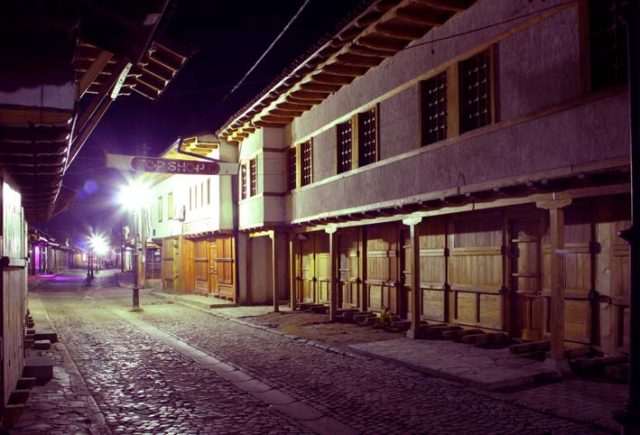
Now, the Fshejt Bridge is part of daily life in Gjakova. Schoolchildren cross it on their way to class. Elderly residents carry groceries home from the market. Around the bridge, a small neighborhood has grown, with cafés and stalls selling cheese, honey, and sweets. In summer, the area hums with activity—tourists and locals mingling, coffee scenting the air, the river reflecting streetlights as evening falls.
The bridge is a symbol of endurance. The city has been destroyed and rebuilt more than once, and the bridge has always been part of that cycle. It’s not grand like bridges in Paris or Venice. Its charm lies in its simplicity—solid and unpretentious.
If you’re in Gjakova, cross the bridge slowly. Pause at the center. Listen to the river. Look at the houses on the banks. There are no crowds, no guides, no rush. Just the water, the stone, and silence.